New Mobilization Rules Allow Vital Ukrainian Businesses to Shield All Staff.

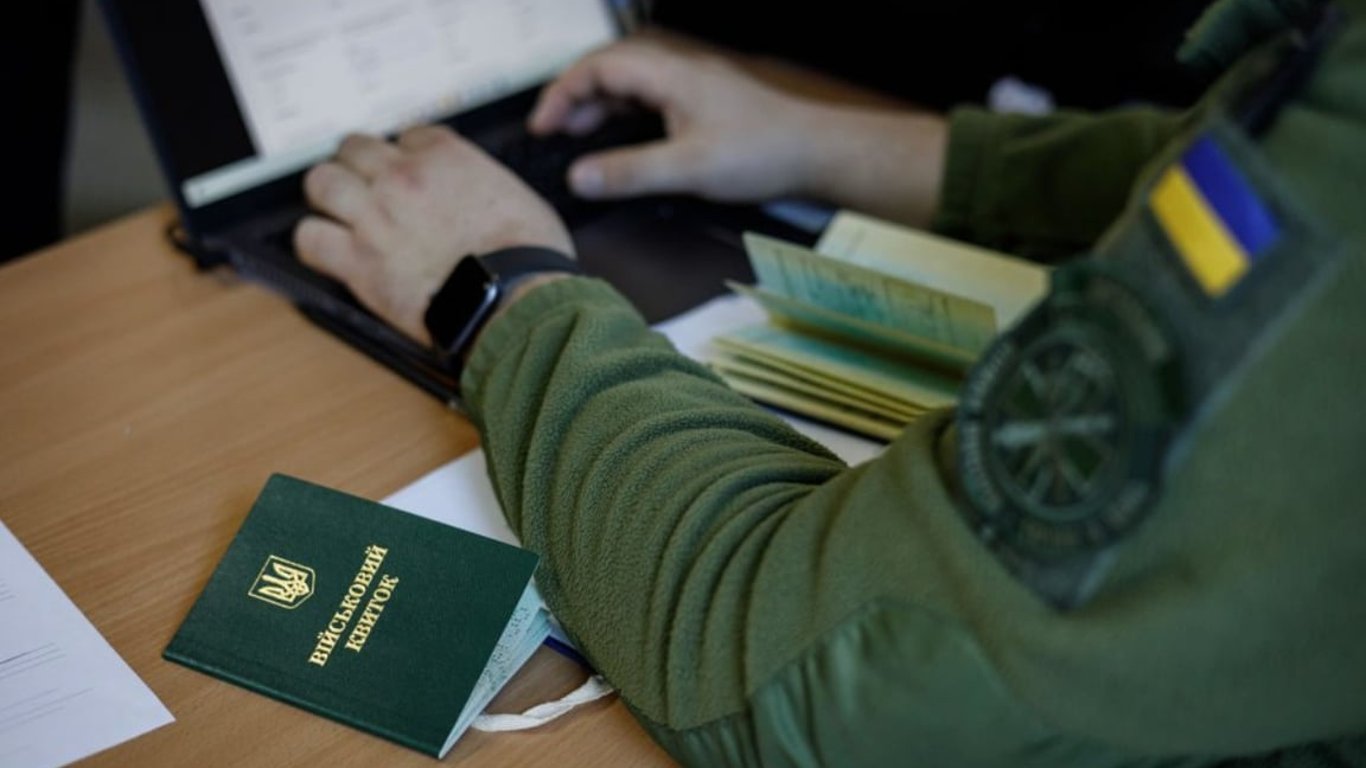
Ukraine Eases Mobilization Rules for Critical Industries
According to Novyny.live: Ukraine has overhauled its policy on reserving employees from military conscription, granting businesses deemed critically important the right to shield 100% of their staff. This marks a significant shift from the previous 50% cap and is designed to sustain vital economic functions and ensure business continuity during wartime. This policy change reflects the immense pressure the war has placed on Ukraine's workforce and economy.
Key Details of the Updated System
Under the new rules, an employee must earn a minimum salary of 21,617.50 hryvnias to qualify for a deferment. This financial threshold is part of a revised system intended to ensure state support is directed toward those making a substantial economic contribution. Businesses can now submit the necessary documentation through the 'Diia' portal, streamlining the application process.
Furthermore, companies operating in the defense-industrial complex (OPK) can shield their employees even if there are discrepancies in their military registration records. A 45-day grace period is provided to correct any documentation errors, allowing firms to rectify issues without immediately losing their reservation rights. Notably, the previous '72-hour' rule for verifying lists has been abolished, further simplifying the procedure.
These legislative amendments are expected to bolster the development of Ukraine's critical enterprises by allowing them to retain their skilled workforce under extremely challenging conditions.
These steps are crucial for economic stability and for supporting key industries during wartime.
Ruslana Slobodianiuk
The new regulations on military deferments are a direct response to the economy's needs in a time of war, ensuring that strategically vital companies have the personnel required to maintain operations. As the conflict continues, such measures are pivotal for enabling businesses to function without interruption, which in turn supports the country's broader economic resilience and recovery efforts.
Read also
- Russia’s Budget Deficit Could Hit 7 Trillion Rubles—What Are the Default Risks?
- Expert Sets Critical Threshold: 60% of Russia's Oil Refining Capacity Must Be Destroyed
- Russia Faces Imminent Fuel Crisis: Why Refinery Recovery Is Nearly Impossible, Expert Warns
- Economist identifies Russia's point of no return: why it can never reclaim its place among global economic leaders
- Deadly Fuel Lines in Russia as Authorities Divert Gasoline to Moscow Amid Shortage
- Fuel Crisis Hits Russia: Military Gets Only 30% of Needed Supply After Ukrainian Strikes