Russia's Energy and Agriculture Sectors in Turmoil: Oil Output Drops and Gasoline Rationing Begins.


Russia's Energy and Agriculture Sectors Face Deepening Crisis
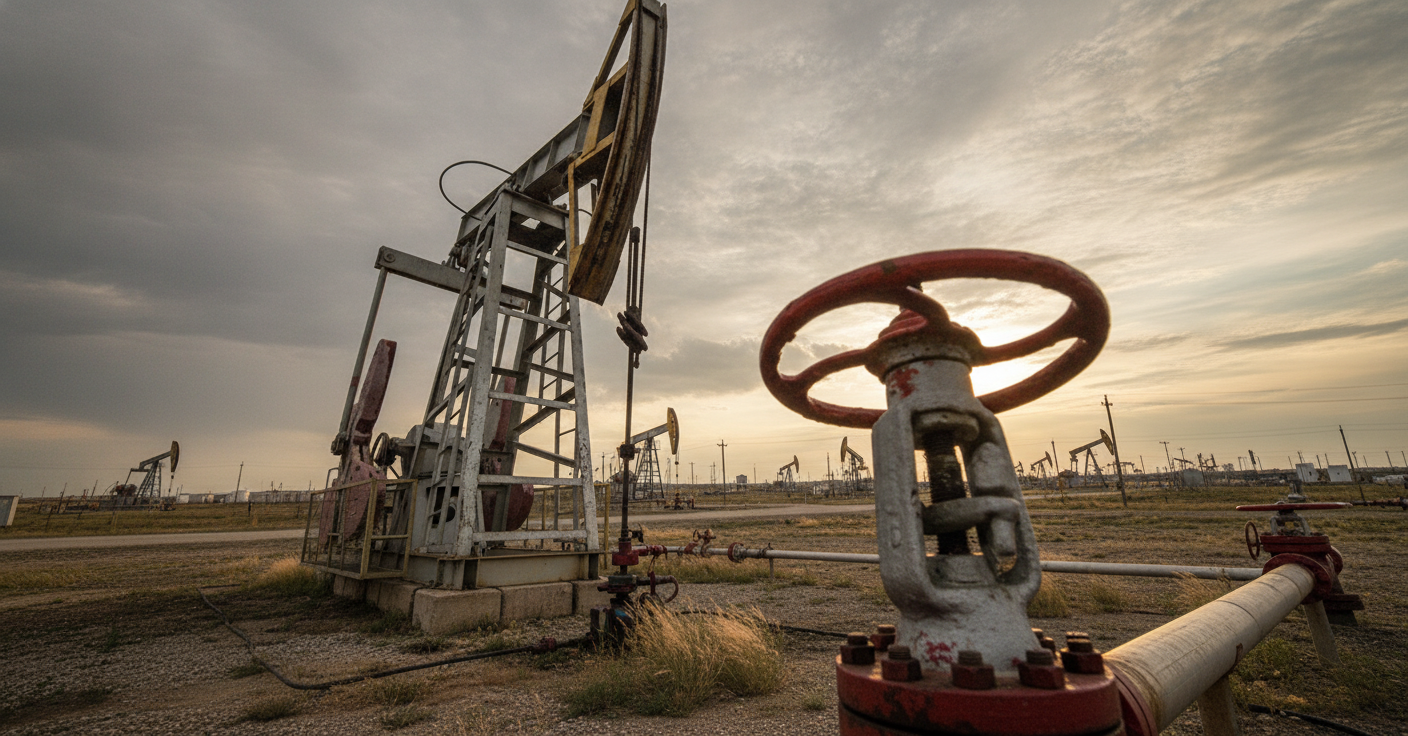
According to UATV: The crisis gripping Russia's energy and agricultural sectors has intensified, driven by declining oil production, fuel shortages, and harvest challenges. In May 2023, the country's oil output fell to 9 million barrels per day—a drop of 142,000 barrels compared to March. This production slump has triggered severe disruptions in fuel supply, which in turn have dealt a heavy blow to the nation's agricultural industry.
Fuel Supply Situation Worsens
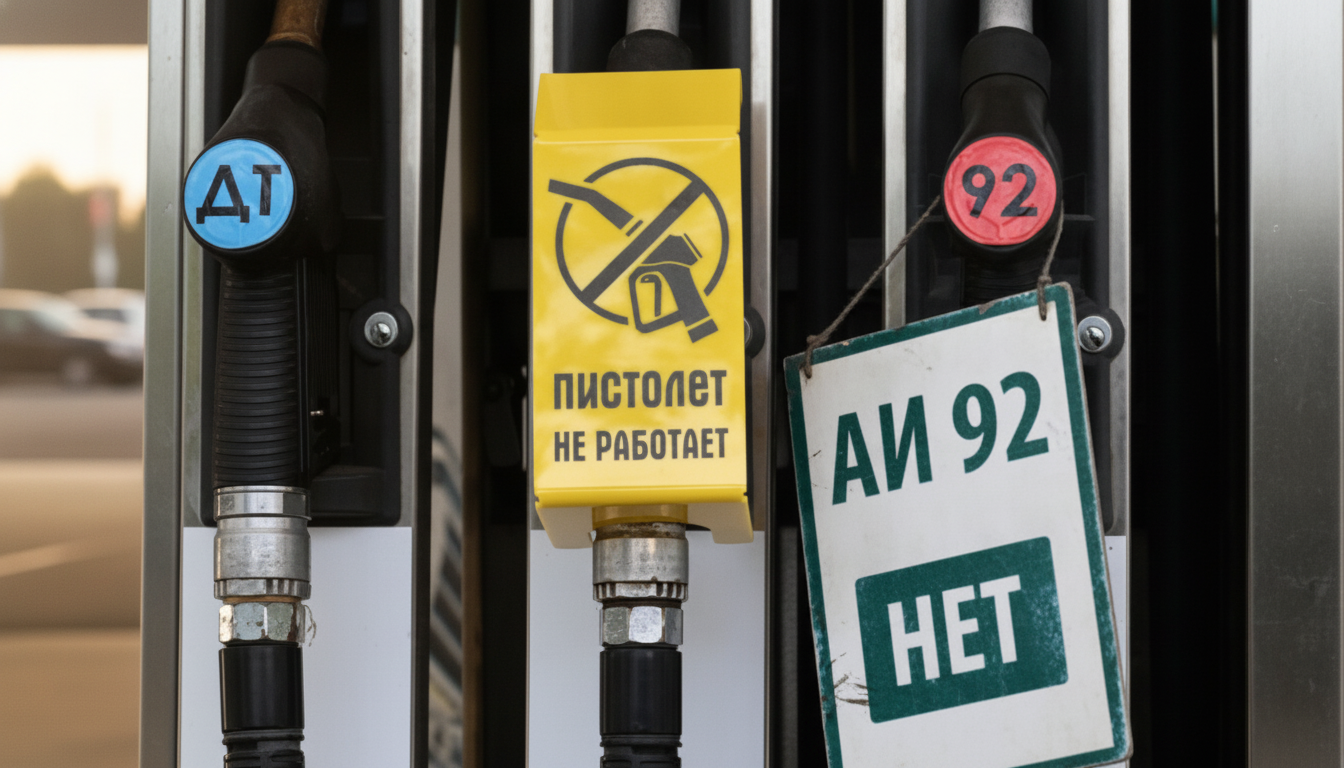
On June 20, 2023, authorities in the Saratov region announced the need to impose price caps at gas stations. In the Tver region, restrictions on gasoline sales have already been introduced at stations operated by Surgutneftegas and Tatneft. Additionally, starting May 1, 2023, Russia extended relaxed fuel quality regulations: under the new rules, the sulfur content in gasoline can reach up to 150 parts per million, raising concerns about environmental consequences.
Amid growing shortages, Russia plans to import fuel by sea from Asia. However, gasoline has become either unavailable or limited to 20 liters per person at gas stations across the country, creating further hardships for the population.
'Right now, based on my information, 1,000 tons of gasoline per day is the maximum that Lukashenko can provide.'— Vyacheslav Shiryaev
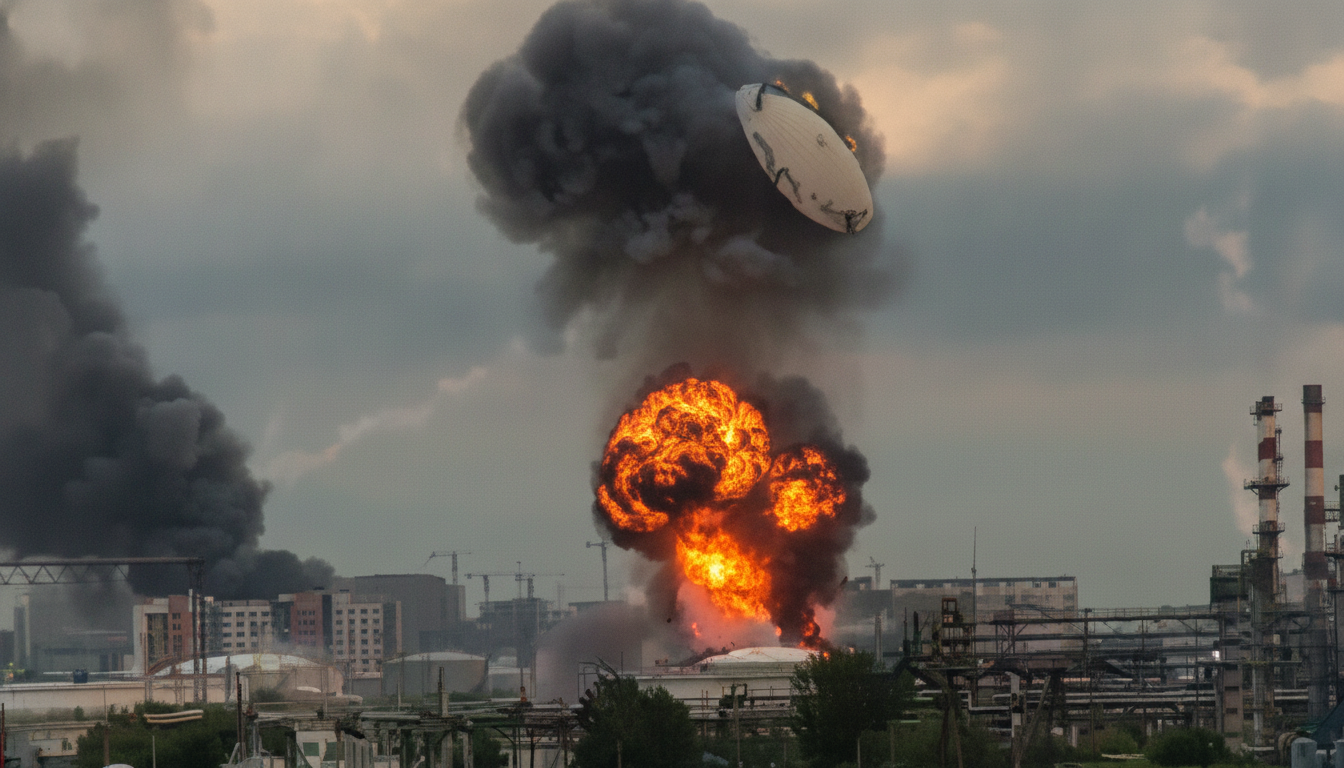
The situation continues to deteriorate, and as the Center for Countering Disinformation at the National Security and Defense Council of Ukraine emphasizes, 'The situation is approaching a critical point.' These factors indicate that Russia is confronting serious challenges in its energy sector, which could have far-reaching consequences for the economy and citizens' daily lives.
The worsening energy situation in Russia may lead to further economic destabilization, as energy resources are vital for the functioning of many sectors, particularly agriculture. Restrictions on fuel sales and reduced availability could drive up prices and threaten food security, potentially sparking social unrest among the population. If these trends persist, Russia will need urgent and effective solutions to avoid a deep economic crisis.
Read also
- Ukraine’s Labor Market Will Need 14.6 Million Workers by 2036, Driving a Major Shift in State Education Orders
- Oil Prices Surge as US-Iran Tensions Escalate Again
- China Demands a Fivefold Price Cut: Stalemate in Power of Siberia 2 Pipeline Talks
- Ukraine’s Parliament Ratifies Free Trade Deal with Turkey: What It Means for Trade and Economy
- Kyrgyzstan Imposes Indefinite Ban on Gasoline and Diesel Exports: What It Means for the Region
- 21-Year Low: Russia's Oil Refining Output Plummets After 50 Strikes in 100 Days