Where Your Tax Money Goes in 2026: A Look at Ukrainian Sole Proprietor Contributions.

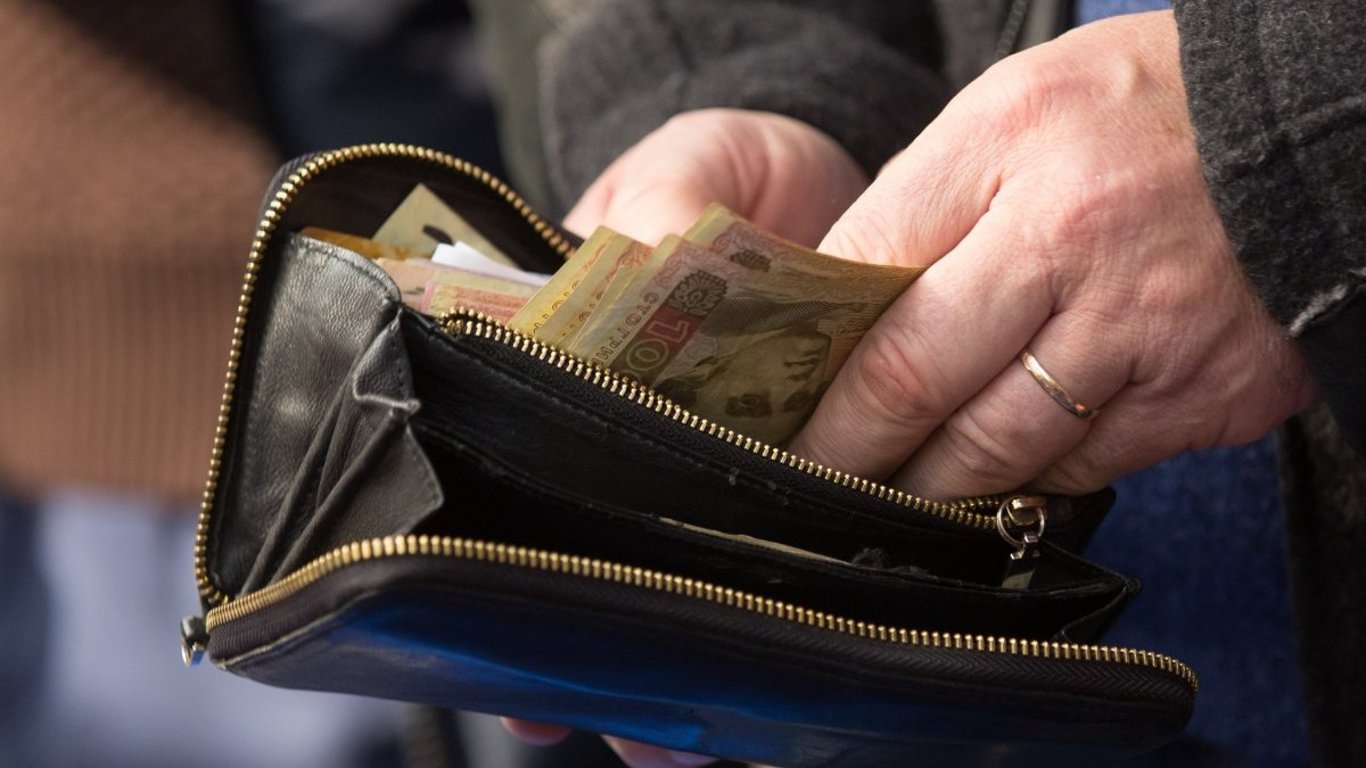
Tax Obligations for Sole Proprietors in Ukraine
According to Novyny.live: In 2026, the taxes paid by Ukrainian citizens, including those from sole proprietors (known as FOPs), will be allocated to fund essential state needs. The effective use of these funds is crucial, as it can significantly impact the nation's socio-economic landscape. The tax rates for FOPs vary depending on which of three groups they are registered under.
- Sole proprietors in Group 1 pay a tax equivalent to 10% of the subsistence minimum for able-bodied persons.
- Group 2 FOPs pay 20% of the minimum wage.
- Group 3 is subject to a rate of 5% of their income for the reporting period.
This tiered system allows entrepreneurs to choose the most advantageous tax option based on their financial situation and revenue levels. Understanding Ukraine's tax structure is key for anyone doing business there or following its economic recovery.
Beyond the main tax, FOPs are also responsible for a military levy. For Groups 1 and 2, this levy is set at 10% of the minimum wage. For Group 3, the rate is lower, at 1% of income. Additionally, individuals pay a separate military levy of 5% on their income. This levy was introduced in Ukraine in 2014 and represents a significant contribution to the country's defense funding.
The Role of Social Security Contributions
Regarding the Unified Social Contribution, its minimum amount is 22% of the minimum wage. These funds are used to finance social programs, healthcare services, and pension provisions.
Lawyer Bohdan Yankiv noted: 'Every hryvnia of your single tax remains in the community and works to improve living conditions right where you live.'
This underscores the importance of local funding and the social responsibility of entrepreneurs. It is vital for Ukrainians to be aware of where their taxes are directed to better understand how they can influence the development of their own communities. Knowledge of the tax system and its components helps citizens become active participants in the country's economic life and encourages cooperation with the state on improving social infrastructure.
Comprehending the tax system and its impact on local communities is essential for activating citizen involvement in socio-economic processes. Paying taxes not only funds state programs but also contributes directly to improving life at the local level. By recognizing the importance of these contributions, Ukrainians can adapt their business models and social responsibility, which in turn can lead to positive changes in the country's development.
Read also
- Fuel Shortage Spreads Across Russia as Moscow Diverts Siberian Gasoline Supplies
- Russia Sells Off Gold at Record Pace: Central Bank Unloads 44 Tons in Six Months
- Russia’s Wheat Exports Set to Hit Lowest Level Since 2017 – Here’s Why
- Wildberries Warehouse Fires Cause 180 Billion Rubles in Damages: Assessing Russia's Losses
- Kazakhstan Oil Exports at Risk as Caspian Pipeline Shuts Down Operations
- Asian gasoline imports mark Russia's fuel crisis spanning 11 time zones