The 1961 Kurenivka Disaster: How a Dam Break in Kyiv Claimed Over 145 Lives.

Background of the Kurenivka Tragedy
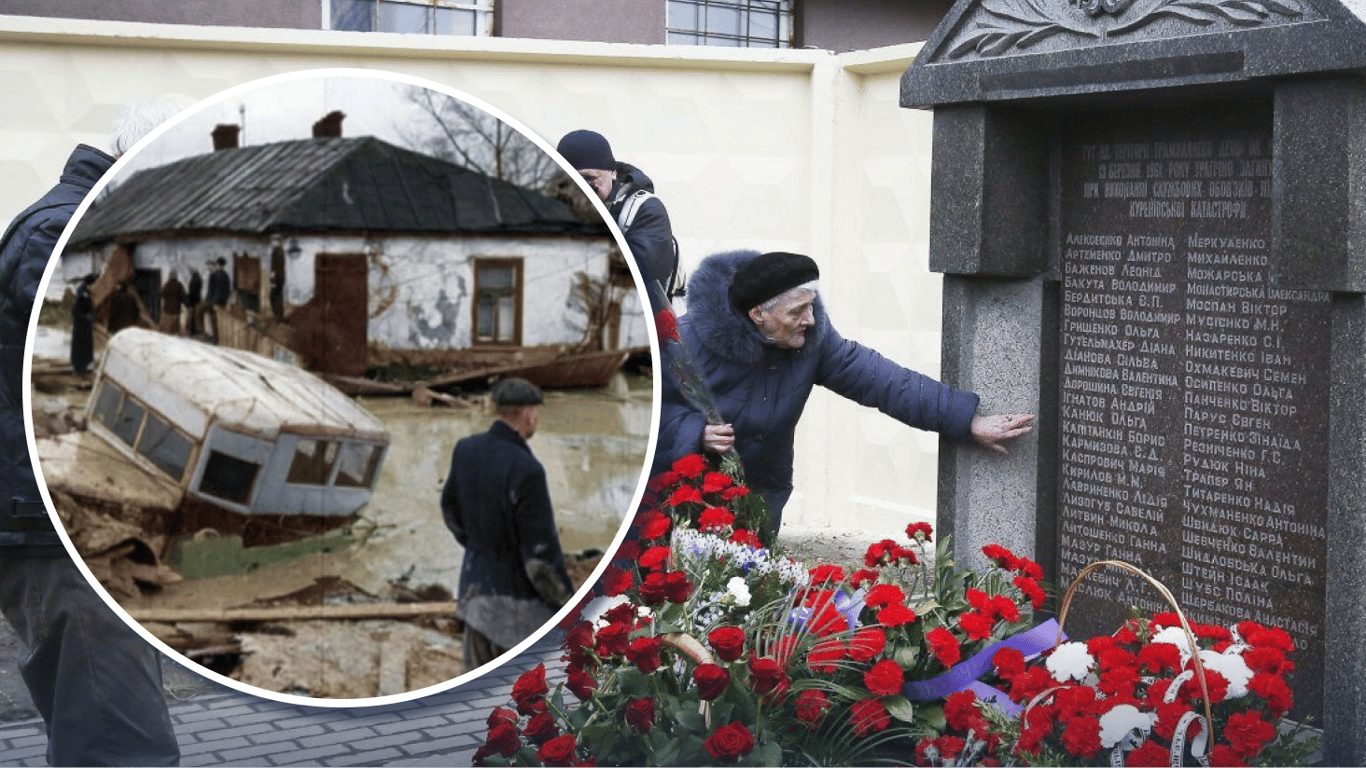
According to Novyny.live: On March 13, 1961, a man-made catastrophe struck the Kurenivka district, resulting in loss of life and extensive property damage. The disaster was triggered by the failure of a dam that held back slurry. This event was the culmination of a long-standing practice that began in 1950, when the Kyiv City Council executive committee decided to fill Babyn Yar with waste from the Petrivka brick factories. Over roughly a decade, more than 4 million cubic meters of soil were dumped into the ravine, creating a hazardous situation in the area.
The Kurenivka Catastrophe
In the branches of Babyn Yar, over 3 million cubic meters of slurry accumulated, demanding a reliable containment system. The dam that was built turned out to be earthen rather than concrete, which reduced its strength. The water drainage system was designed to handle only half a cubic meter per second, which was inadequate for the actual conditions. When the dam could no longer withstand the pressure, it collapsed, leading to devastating consequences.
Death Toll in Kurenivka
Official reports state that 145 people died as a result of the disaster, but the true number of victims may range from several hundred to over a thousand. This tragedy left a deep mark on public memory and stands as one of the worst industrial disasters in Ukraine.
Other Recent Tragic Anniversaries Honored by Ukraine
- On March 1, 2023, 83 years had passed since the Koriukivka tragedy, another significant date in Ukraine's history.
This day served as a reminder of the calamities that have affected the Ukrainian people and highlighted the importance of remembering the past to prevent similar disasters in the future.
The Kurenivka disaster stands as a stark example of the consequences of neglecting safety in industrial operations. It not only claimed many lives but also provided a crucial lesson for future generations about the necessity of adhering to safety standards. By honoring the memory of the victims, society calls for a more responsible approach to managing natural resources and infrastructure.
Read also
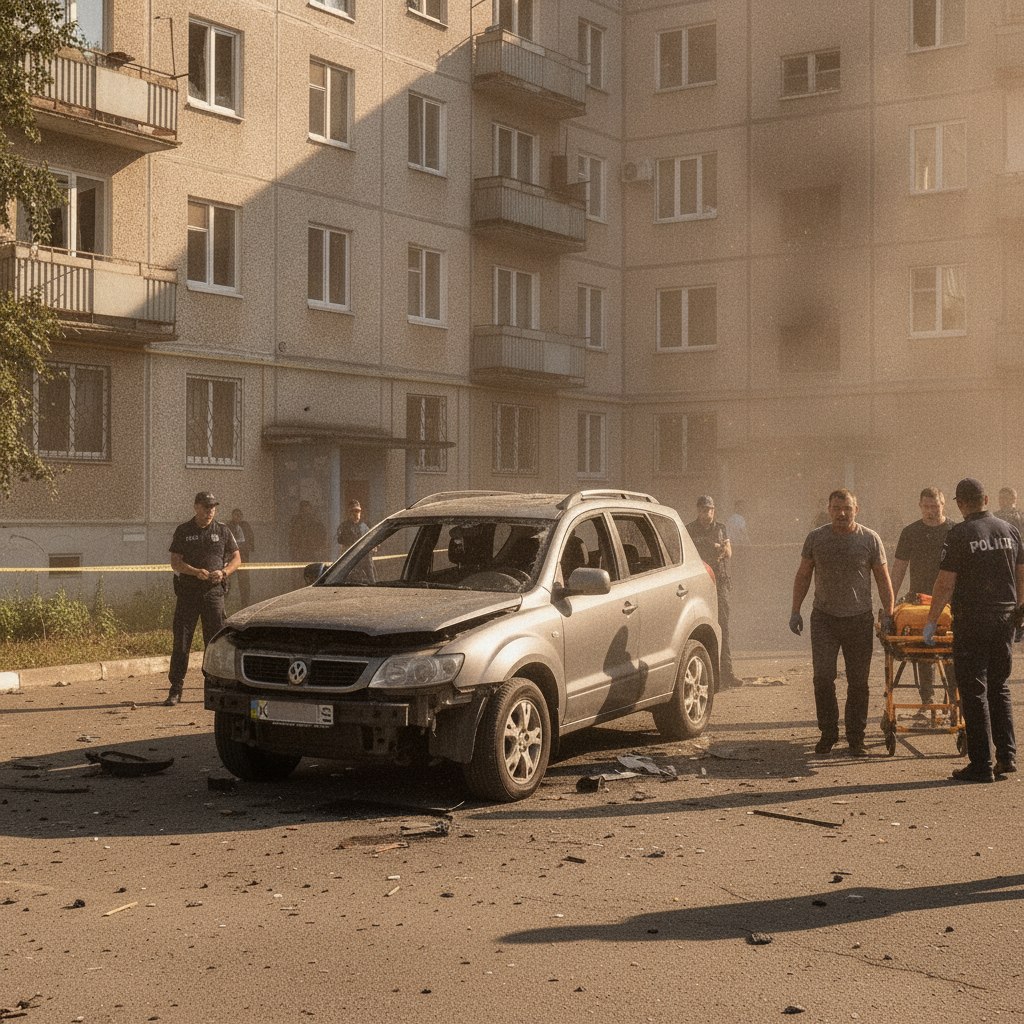
- Driver of Crossover Tied to Military Wounded in Odesa Explosion
- Seven Killed, Dozens Wounded as Russian Forces Strike Five Ukrainian Regions
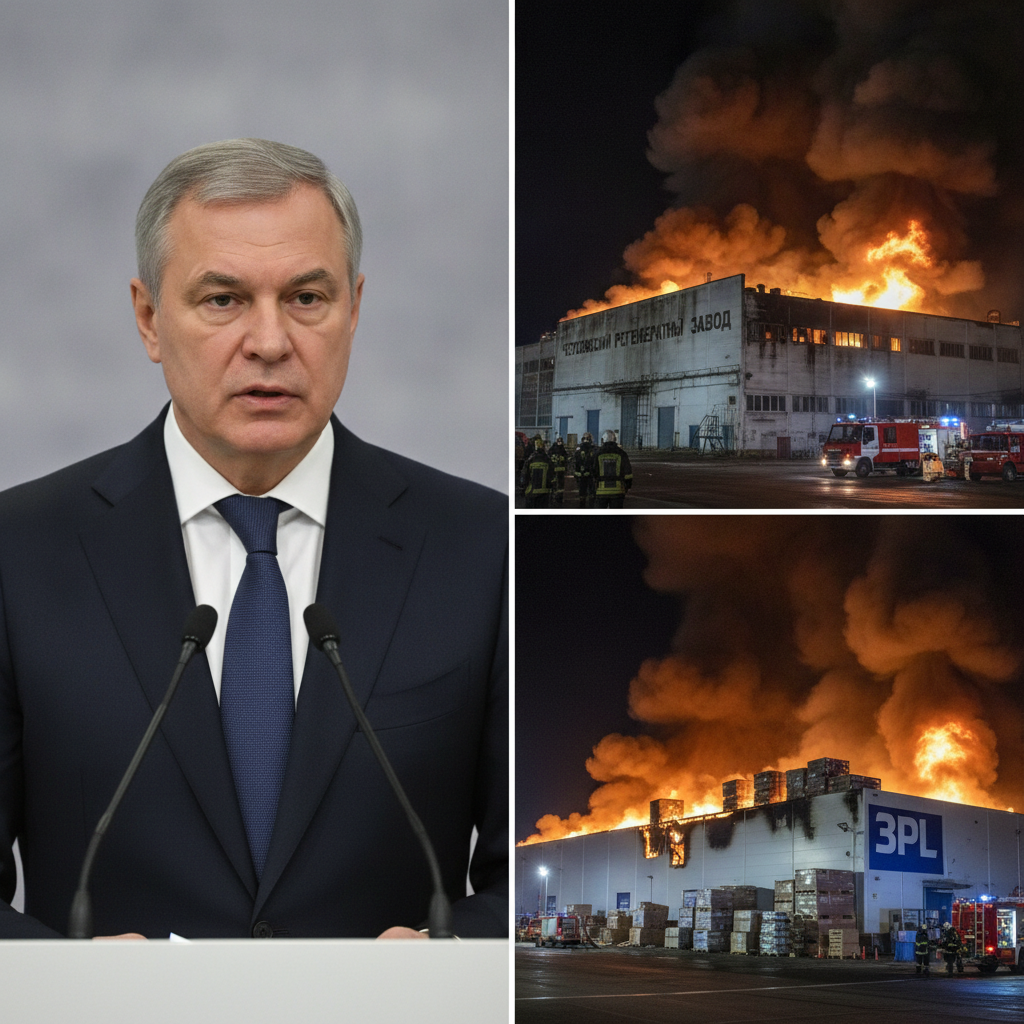
- Nearly 400 Drones Swarm Moscow Region, Igniting Fires at a Chekhov Factory and a Podolsk Warehouse
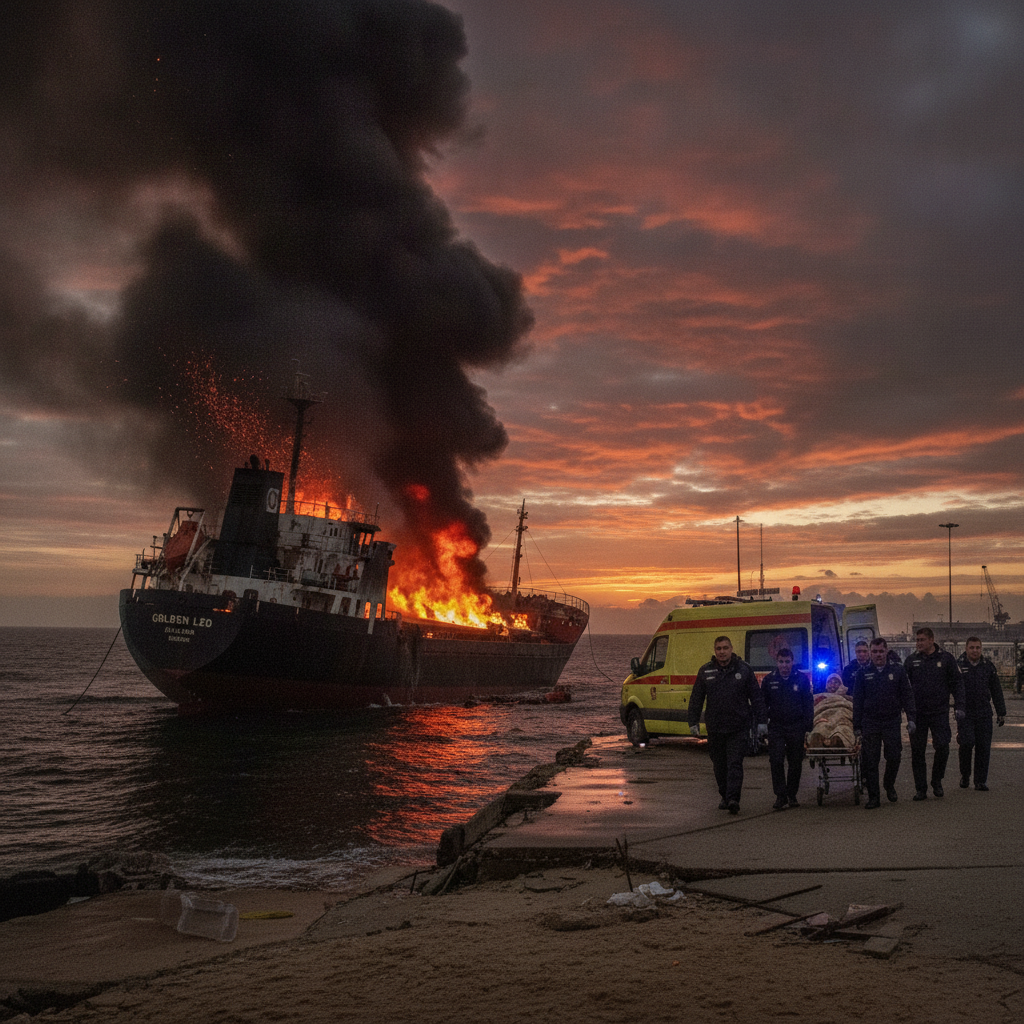
- Russian Missiles Sink Freighter Golden Leo, Killing 10 Crew Members
- Eight Dead in Russian Attacks Across Ukraine, Including a Nine-Year-Old in Chernihiv
- One Woman Dead, 29 Injured After Driver Rams Into Crowd at Berlin Pride Celebration