Putin's Growing Fear for His Own Future Following the Death of Khamenei.

The Death of Ali Khamenei
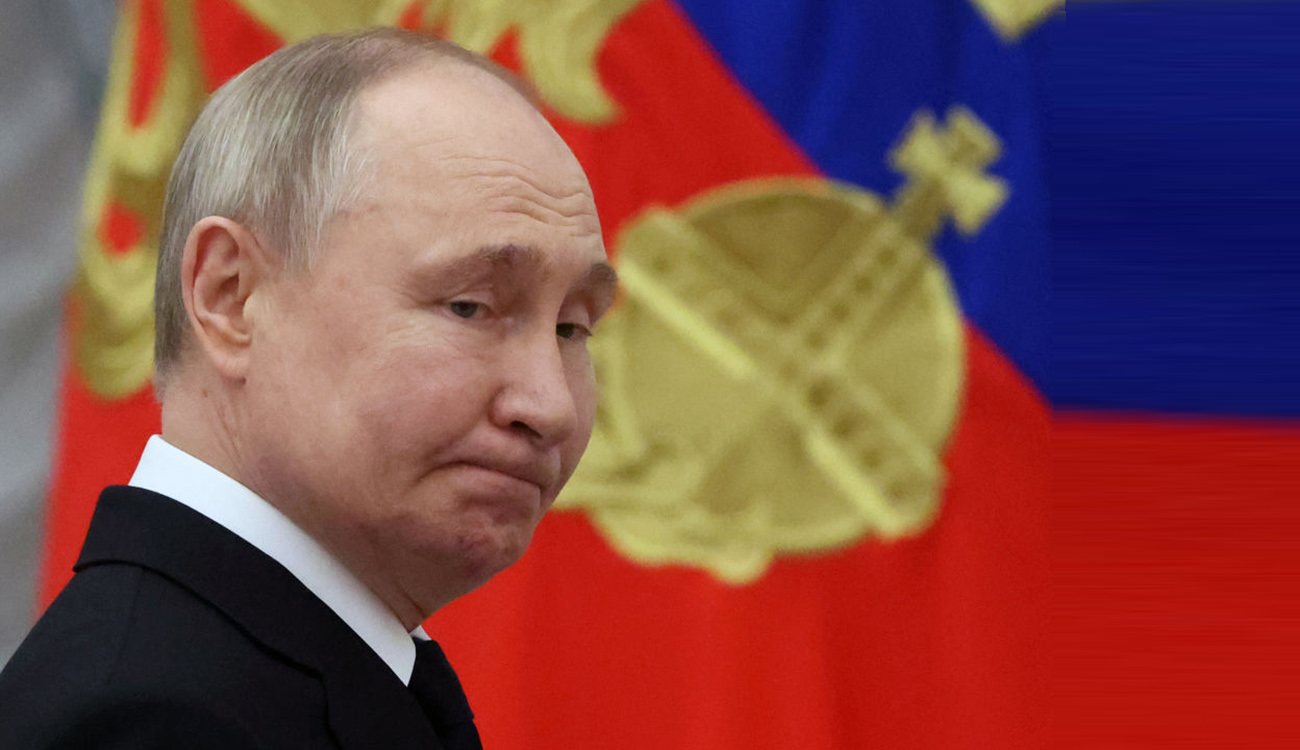
According to UATV: On March 3, Iran's Supreme Leader Ali Khamenei was killed in a strike carried out by Israel with U.S. support. This event has triggered paranoia in Russian President Vladimir Putin, who described the incident as an 'assassination' that violates international law. The removal of a fellow long-term authoritarian leader has sent a chilling message to the Kremlin.
Khamenei's death occurred against a backdrop of global political shifts, including the recent fall of Venezuelan President Nicolás Maduro, further highlighting regional instability. Analysts believe such events could have serious repercussions for international politics and security.
“Dictators who concentrate so much power and hold onto it for as long as Putin does typically leave office in one of two ways—either under arrest or in a coffin.” Sam Greene
The killing of Khamenei and the reaction to it signal an escalation of conflict in the Middle East and could lead to new tensions in international relations. These developments unfold against a backdrop of global political realignments that have been underway for several years.
Challenges to International Stability
The situation surrounding Ali Khamenei's death may lead to new challenges for international stability. As a key player in regional conflicts, Iran could intensify its military actions in response to this incident. The reactions of other states to these events are also expected to influence the formation of new alliances and shifts in the balance of power in the Middle East.
Read also
- Russia Planning a New Fall Mobilization: When Recruits Could Reach the Front Lines
- Feigin Reveals Putin's Litmus Test: When Mobilization Plans Will Become Clear
- Putin Now Acknowledges Ukraine's Strength, Says Former Polish Defense Minister, Marking a Turning Point in the War
- Feigin Reveals Who Arranged Melnychenko's Interview and Why Russian Oligarchs Are Fleeing
- Putin’s Approval Rating Plunges to 66% as Russia’s Fuel Crisis Worsens
- Why Russia Sees Turkey as a Viable Negotiation Hub: Three Key Reasons