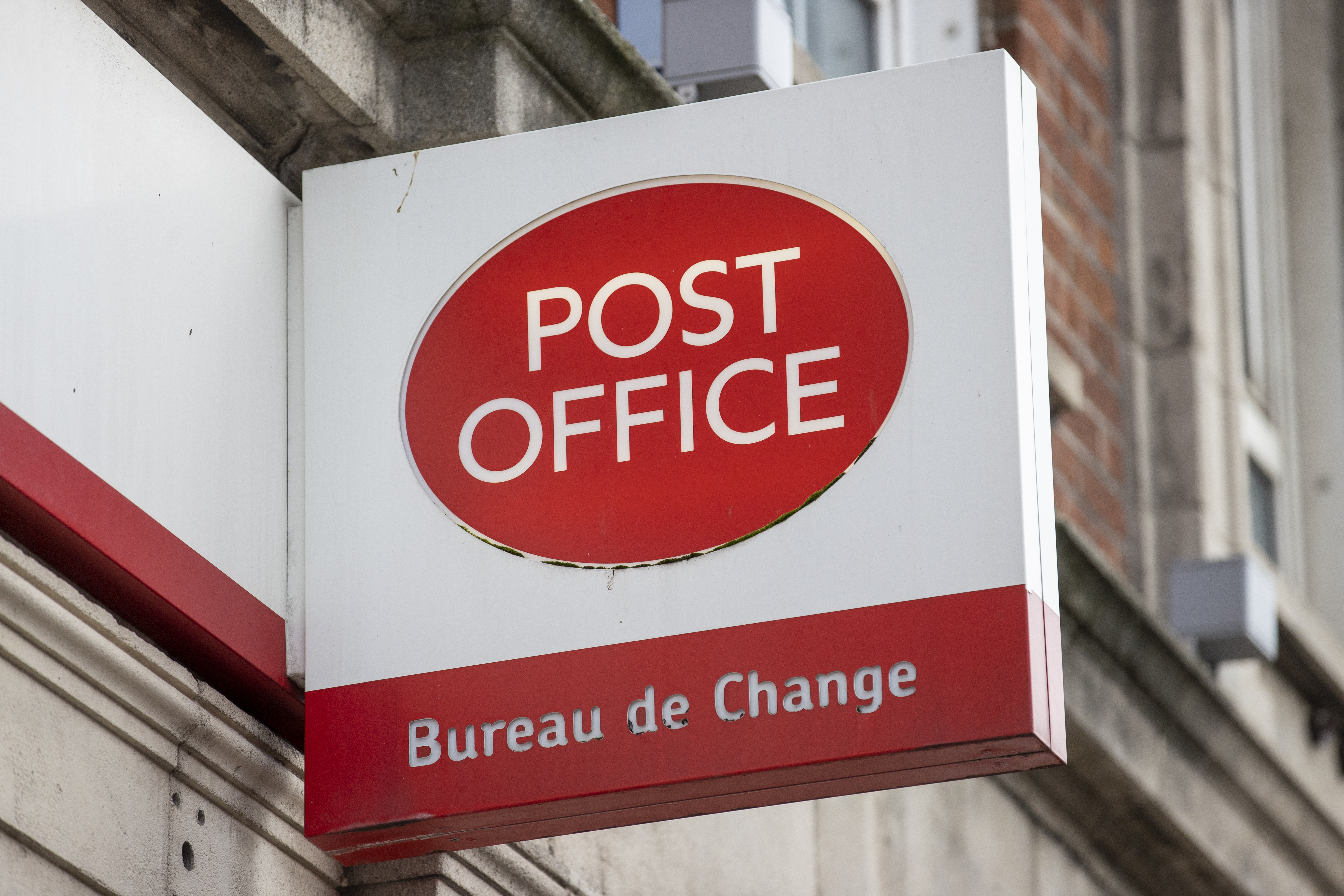
Post offices will receive new functions: what changes are being proposed.

Proposals for changes in the operation of the 'Post'
According to The Sun: The British Post plans to make several significant changes to its branches to ensure their place on the streets of towns in the United Kingdom.
Among the proposed ideas are transforming branches into centers for providing new services, such as collecting prescriptions, digital identification, and business consultations.
The Post aims to expand its range of servicesAlthough no official confirmations have been received yet, these changes could help increase the company's revenues.
In early July, the government published a 'green paper' discussing the prospects for the organization's functioning.
This documentation talks about the possibility of eliminating the requirement for the presence of 11,500 Post offices.
However, the Post itself emphasized the importance of 'maintaining nationwide coverage'.
The company is introducing a 'flexible political structure' so that the network of branches can 'evolve' in response to changes in consumer demand.
The Post aspires to become a modern retailer over the next ten years and also an important center for providing essential local services.
New initiatives and business support
Currently, the company has called on the government to allow an expansion of services, particularly in banking and delivery, as well as new consultations for small businesses.
Additionally, the Post offers to become a 'reliable place' for receiving essential government services, such as digital identification or collecting prescriptions.
It was also proposed that ministers 'explore the possibility of providing discounts on property taxes', which would help businesses in paying taxes and reflect their contribution to community development.
The Post aims to remain an important element in communities, maintaining its place on main streets.
This is particularly relevant for rural areas where many people have limited access to digital technologies, and for small businesses, the Post remains an important resource in daily life.
Other changes in the work of the Post
At the beginning of the year, it became known about the possible closure or transfer of 115 branches that are currently under the management of the Post.
These changes come against the backdrop of recovery from the Horizon IT system scandal, as a result of which hundreds of sub-postmasters faced wrongful accusations.
The government is also considering the possibility of transferring ownership to employees, similar to the model used by the John Lewis partnership.
Thus, employees become partial owners of the company and receive a share of the annual profit.
Government representatives have previously acknowledged that the Post is facing serious financial problems and remains afloat due to state subsidies.
The CEO of the Post, Neil Brocklehurst, noted:
“The Post has been part of everyday life for Britons for nearly 400 years. But we cannot afford to stand still. Digital technologies have transformed how we shop, conduct financial transactions, and communicate. Like any modern retailer, we must evolve to meet customer demands and offer products and services that generate revenue for postmasters and partners managing our branch network. I look forward to collaborating with our postmasters, partners, customers, and the government as we continue to transform this important organization, and I am confident that we will see a strong and viable Post network in the UK for many decades to come.'
Thus, the British Post is trying to adapt to new realities by implementing innovations that should ensure its relevance in the modern world. By changing its operating principles, the company aims to maintain its place in the lives of the population, especially in those communities where access to digital technologies may be limited. Alongside this, recovery from scandals requires perseverance and willingness to change to regain the trust of customers and society as a whole.
Read also
- Global Fuel Markets Shaken as Ukrainian Drones Undermine Russian Control
- Russian Business Owners Are Moving Billions Abroad Amid Fears of Asset Seizure and Forced War Funding
- Former Minister Sobolev Takes on New Role in the President’s Office: What He Will Be Working On
- India Becomes Fuel Supplier to Russia as Diesel Shortage Bites
- Currency Panic Grips Ukraine: Expert Reveals Why People Are Losing Faith in the Hryvnia
- Major Salary Hikes Planned for Ukrainian Rescuers: Here’s What They Could Earn