Turning Martian Dust into Fertilizer: A New Path for Growing Food on the Red Planet.

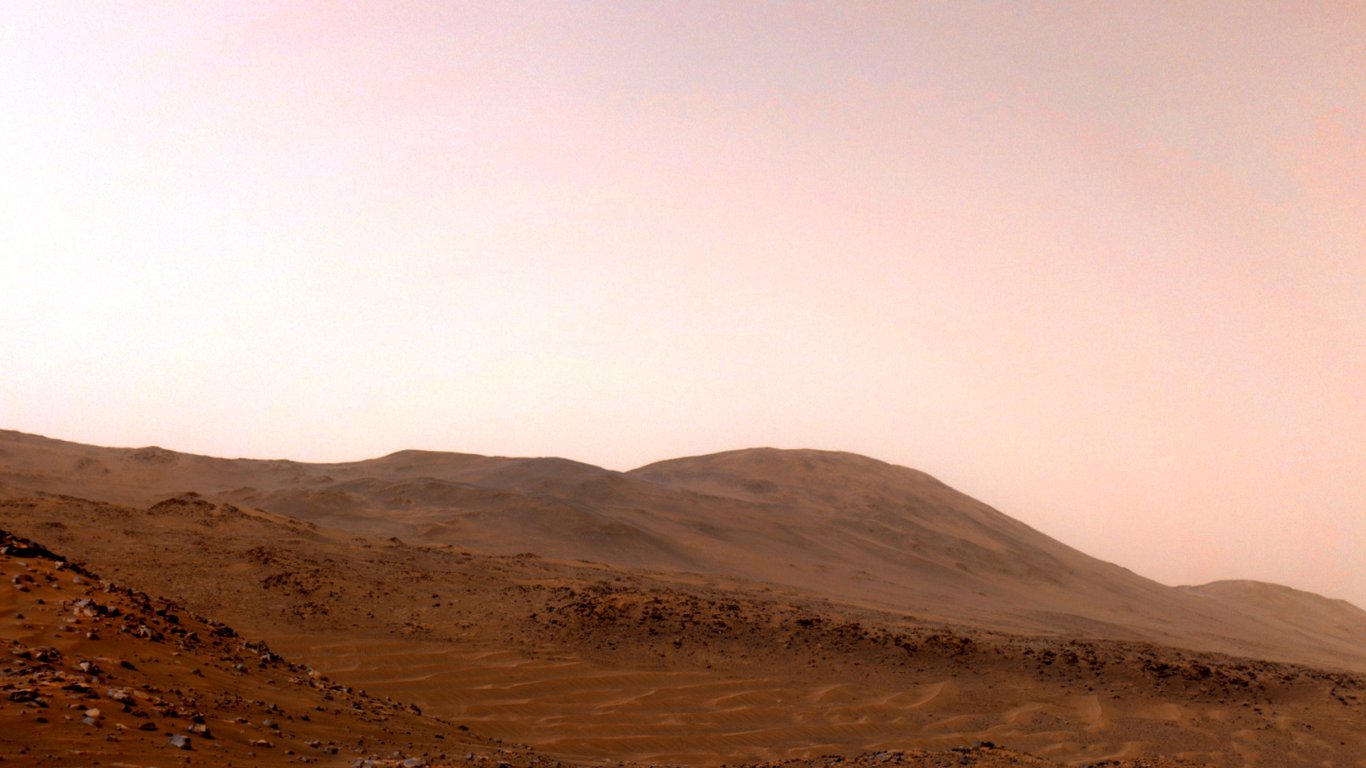
A System That Converts Martian Dust into Fertilizer
According to Novyny.live: Scientists have created a method that transforms Martian dust and carbon dioxide into a nutrient-rich substance for cultivating edible plants, marking a major step toward self-sufficient food production on Mars. This innovation relies on resources already present on the planet to build the conditions needed for agriculture, potentially laying the groundwork for future colonies there.
The team conducted their work using MGS-1, a simulator of Martian regolith, which allowed them to closely replicate the conditions found on Mars. During the experiments, cyanobacteria were employed to generate biomass, yielding impressive outcomes. The most effective results occurred at a temperature of around 35 °C, highlighting how crucial temperature management is for successful plant growth on the Martian surface.
The Promise of Cyanobacteria
A striking finding was that just one gram of dried cyanobacteria enabled the production of 27 grams of fresh, edible plant material. This discovery underscores the effectiveness of cyanobacteria as a fertilizer source. Additionally, the fermentation process produced methane, suggesting a potential for fuel generation that could support future missions to Mars.
The study’s outcomes could serve as a foundation for further experiments and advancements in Martian agriculture, opening up new possibilities for planetary exploration. The Curiosity rover has also detected pure sulfur in Martian rocks, which may provide another resource for developing technologies capable of sustaining life on the Red Planet.
In summary, this novel system for converting Martian dust and carbon dioxide into fertilizer offers promising prospects for future research and the colonization of Mars, potentially transforming how we think about living on other worlds.
The development of a system that turns Martian dust into fertilizer highlights the critical role of using local resources to support life on other planets.
This breakthrough could become a key component in plans for colonizing Mars, as ensuring a food supply is essential for long-term human presence in space. The research also opens up new avenues for studying ecological processes in extreme environments and applying those lessons on Earth.
Read also
- Speed Record Set by Bombardier Global 8000: Los Angeles to Farnborough in Just 8 Hours 46 Minutes
- A New Augmented Reality Platform Lets You Read and Build 3D Comics
- How Artificial Intelligence Is Unlocking Billions in Real Estate Value
- Ukraine’s Air Defense Gets a Boost: New 'Hot Dog' Drone Takes Down Over 300 Targets
- Windows That Generate Power Even at Night: A New Solar Innovation
- GE Aerospace’s Hybrid-Electric Aircraft Reaches 30,000 Feet in Key Test Flight