Russia's Mass Strikes on Ukraine Follow a Predictable Pattern: Analyst Snyegiryov Identifies a Window for Preemptive Action.

Military Expert Dmytro Snyegiryov Weighs In on Russian Attacks
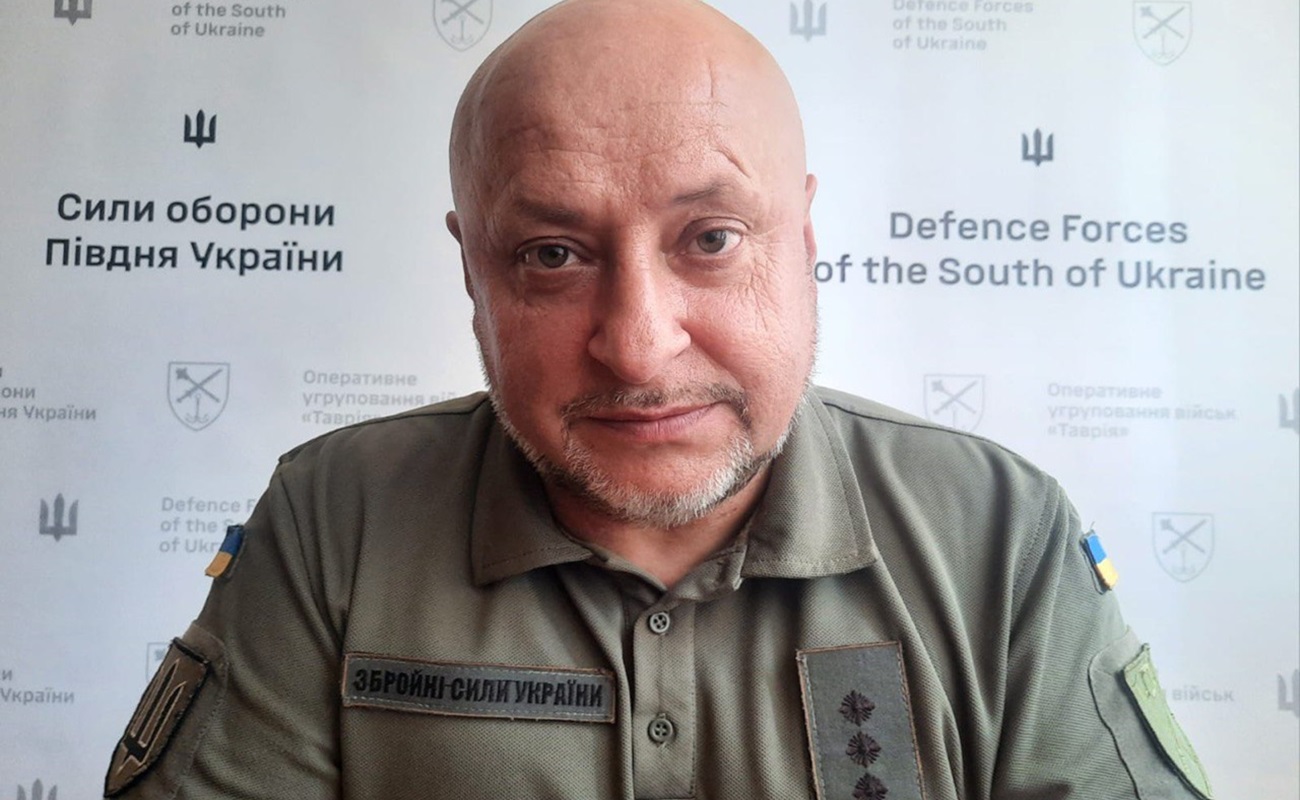
According to Espreso.tv: Dmytro Snyegiryov, a military analyst and co-chair of the civic initiative 'Prava Sprava,' argues that Russia's large-scale bombardments of Ukraine are driven not by military necessity but by a deliberate effort to instill fear among civilians. He points to a clear rhythm in these assaults, with intervals of roughly two weeks. Given this pattern, Snyegiryov urges Ukraine to exploit this timing by launching preemptive strikes against Russian industrial targets.
According to Snyegiryov, Ukraine now has the capacity to deploy up to 400 drones per day. In light of this capability, he posed a pointed question:
“If we can already use up to 400 drones daily, why not direct them at a single strategic enterprise?” - Dmytro Snyegiryov
This highlights the need for a tactical shift in response to Russian aggression. He further emphasizes that Ukraine should prioritize specific targets for such strikes, including:
- The Votkinsk Plant
- The Kupol enterprise
- Production facilities in Alabuga
- Factories in Voronezh
Frontline Dynamics and Emerging Developments
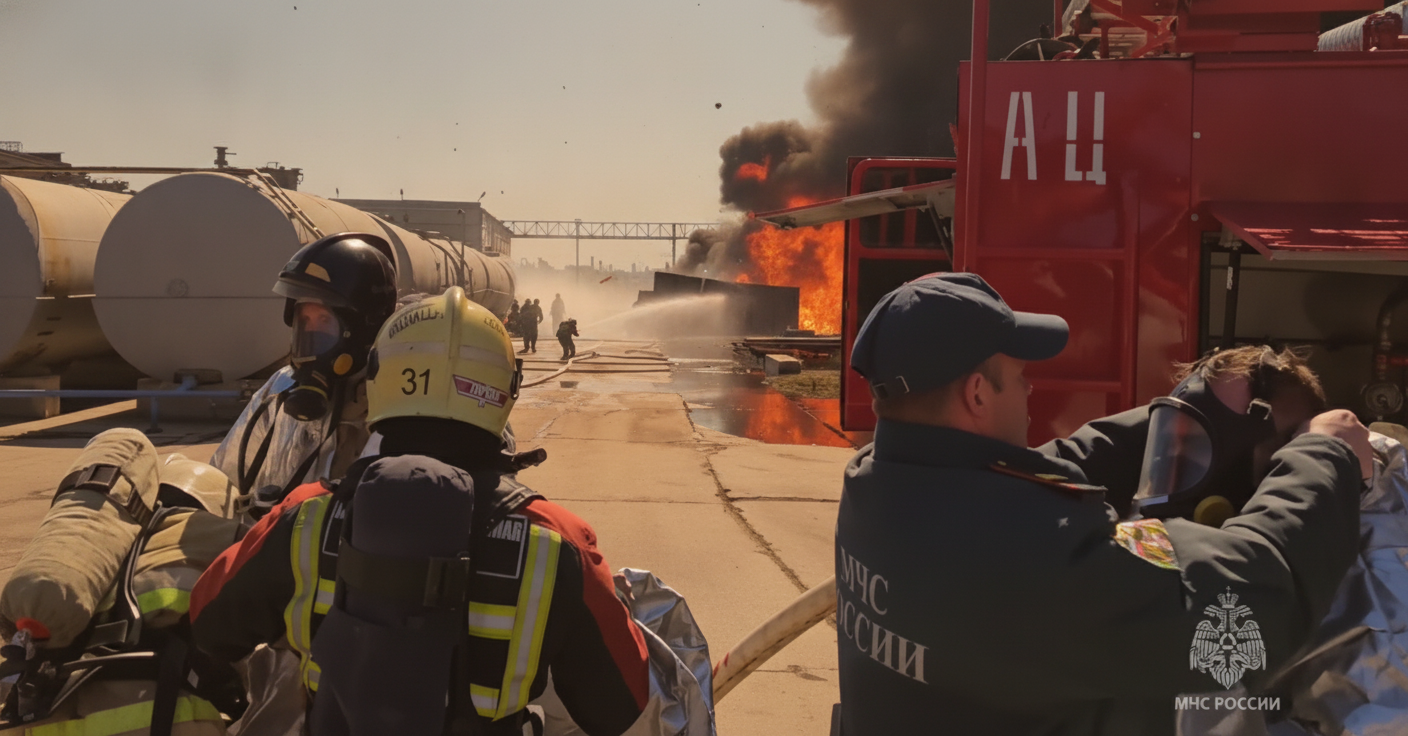
In a related turn of events, the night of July 4 saw fires break out at Russian ports in the Baltic Sea and in St. Petersburg, while a power outage hit Belgorod. Ukraine's General Staff also confirmed a strike on a Russian helicopter in the waters of the Sea of Azov. These incidents underscore that the frontline situation remains tense, with both sides actively engaged.
Snyegiryov's call for preemptive strikes and new tactics signals an intensification of Ukrainian military responses to Russian attacks. Meanwhile, the fires at Russian ports and the confirmed helicopter hit illustrate a conflict that continues to evolve, as each side seeks fresh methods to gain leverage. These factors point to an increasingly complex military landscape in the region.
Read also
- Ukraine Strikes Siberian Refinery 2,500 km Away: What We Know About the Attack’s Fallout
- Germany Thwarts Russian Sabotage Plot: Suspects Carrying Explosives Arrested at Border
- Russia shifts to active defense on the front line: details on new fortifications emerge
- Ukraine's Air Defense Intercepts Half of Over 230 Russian Kh-47M2 Kinzhal Missiles
- Ukraine Strikes Russian Defense Industry: Attacks on Microelectronics and Chemical Plants in Bryansk
- Moscow Fortifies Air Defenses Against Drones: New S-400 Systems and Installations Along the MKAD Ring Road