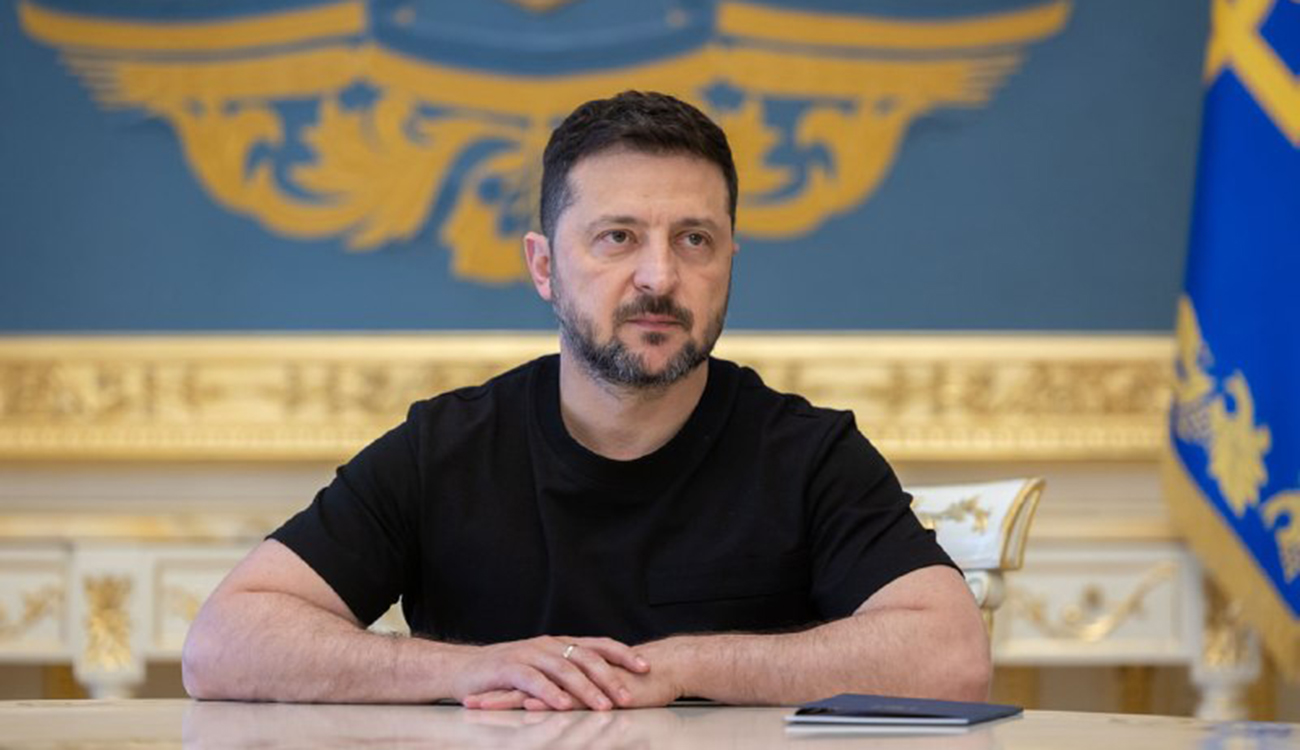
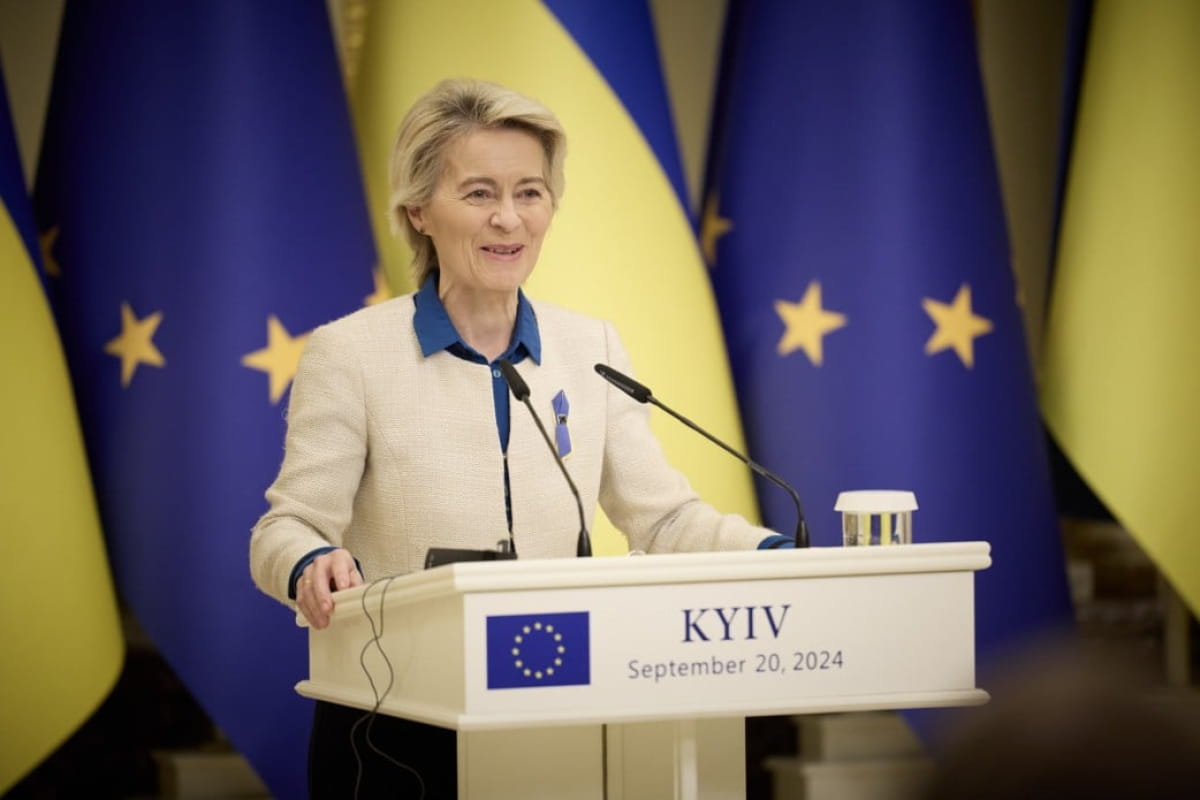
In Washington, Trump and Merz Confer on Ukraine War and Russian Sanctions.

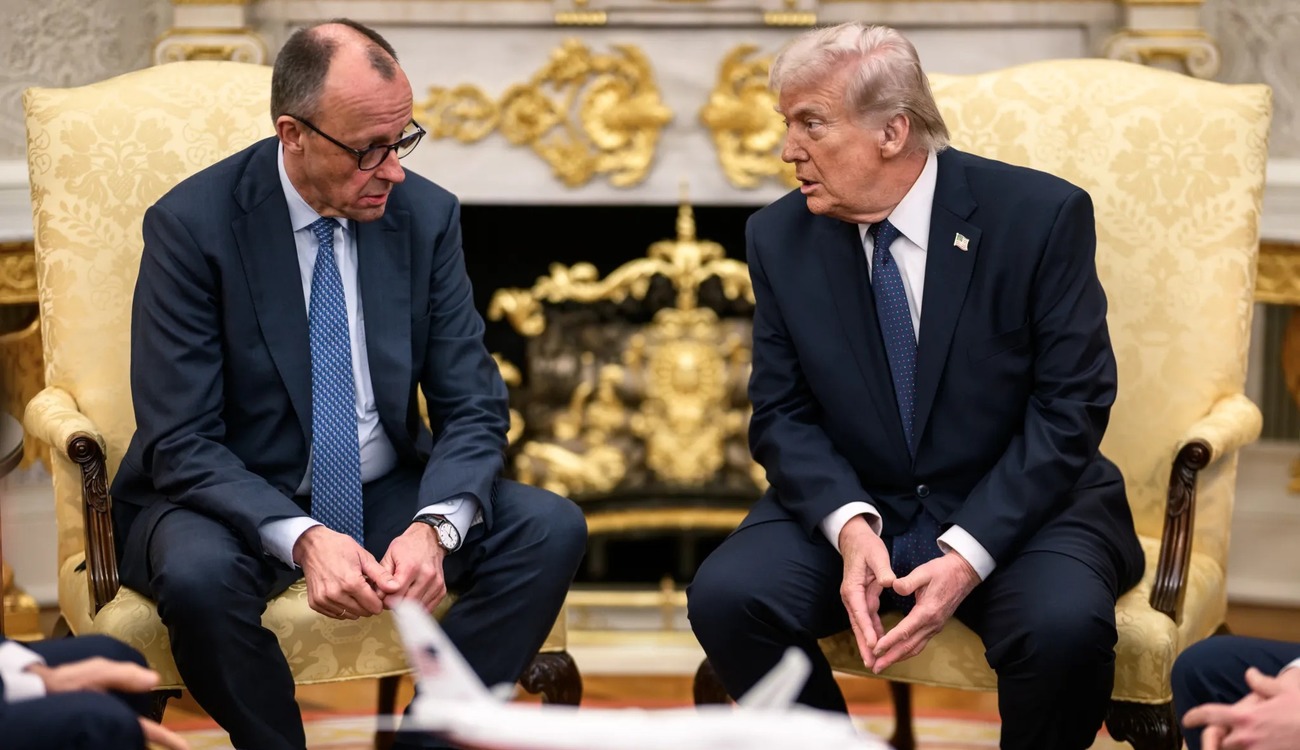
Washington Meeting
According to UATV: German Chancellor Friedrich Merz and U.S. President Donald Trump held a significant meeting in Washington, where they discussed critical issues including Russia's war against Ukraine, strengthening sanctions on Russia, and Europe's role in potential peace negotiations. This meeting was notable as Merz was the first foreign leader hosted at the White House following the commencement of a joint U.S.-Israeli military operation against Iran. The talks underscore the enduring, though sometimes complex, transatlantic partnership in confronting major security challenges.
During the discussions, President Trump described Russia's war in Ukraine as 'the most severe since the Second World War.' Chancellor Merz urged the United States to intensify sanctions against Russia and emphasized the indispensable role of European nations in any peace process, stating:
"There will be no peace agreement without the participation of Europeans."He also expressed a desire for a swift end to the conflict, declaring:
"We want this war to end as quickly as possible."
President Trump clarified that the U.S. is not requesting German troop contributions for the operation against Iran. The conversation on Ukraine also covered the scale of the conflict, with information that average Ukrainian military casualties range from 25,000 to 30,000 per month. Reflecting on the military situation, Trump remarked: "I thought it would be much easier than it turned out to be."
A Complex International Landscape
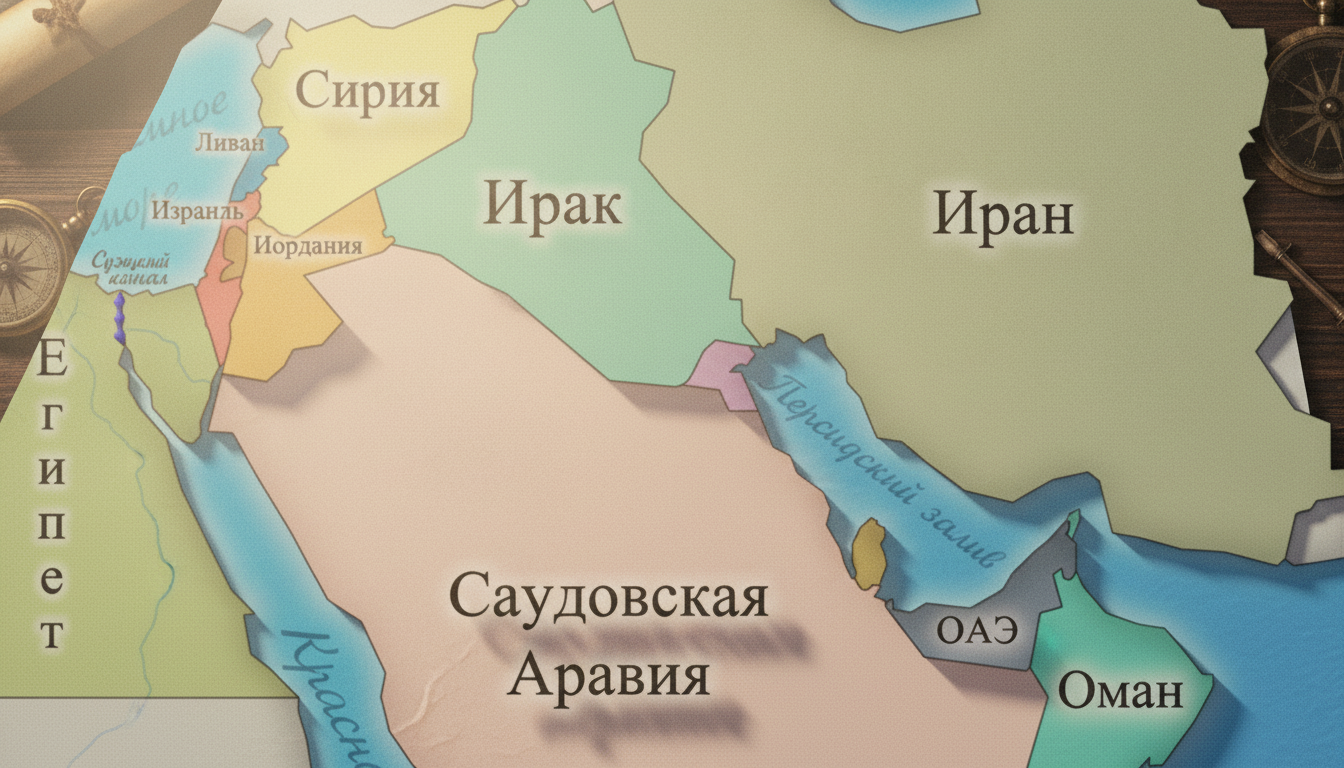
Additionally, the meeting touched on Washington's plans to completely halt trade relations with Spain. These topics highlight the intricate international environment in which Germany and the U.S. are working to find common ground on global issues. The dialogue between Merz and Trump points to Germany's growing influence in matters of global security, particularly regarding the Ukraine war.
The interaction between the two nations is critically important as they seek effective solutions to stabilize the situation and increase pressure on Russia. However, ongoing uncertainty in U.S.-Israeli relations and potential shifts in trade policy could significantly impact the future trajectory of international relations in Europe and beyond.
Read also
- Trump Approves Nuclear Deal with Saudi Arabia, Allowing Enrichment Without IAEA Oversight
- Pentagon Requests $67 Billion More as US War Costs Against Iran Hit $37.5 Billion
- Iran Faces Infrastructure Bombing Under New US Strategy Announced by Trump for Strait of Hormuz Attacks
- Ukraine’s Air Defense Gets a Boost: New Interceptor Missiles for Patriot Systems Discussed with NATO
- Putin Abandons Plans to Return Occupied Lands to Ukraine: What We Know About the So-Called 'Buffer Zones'
- Trump Endorses FIFA's Ban on Balogun and Backs New UN Secretary-General Pick