Beijing Holds the Economic Levers Over Moscow: When Will China Push Putin to Negotiate?.

China's Leverage Over Russia Amid the Ukraine War
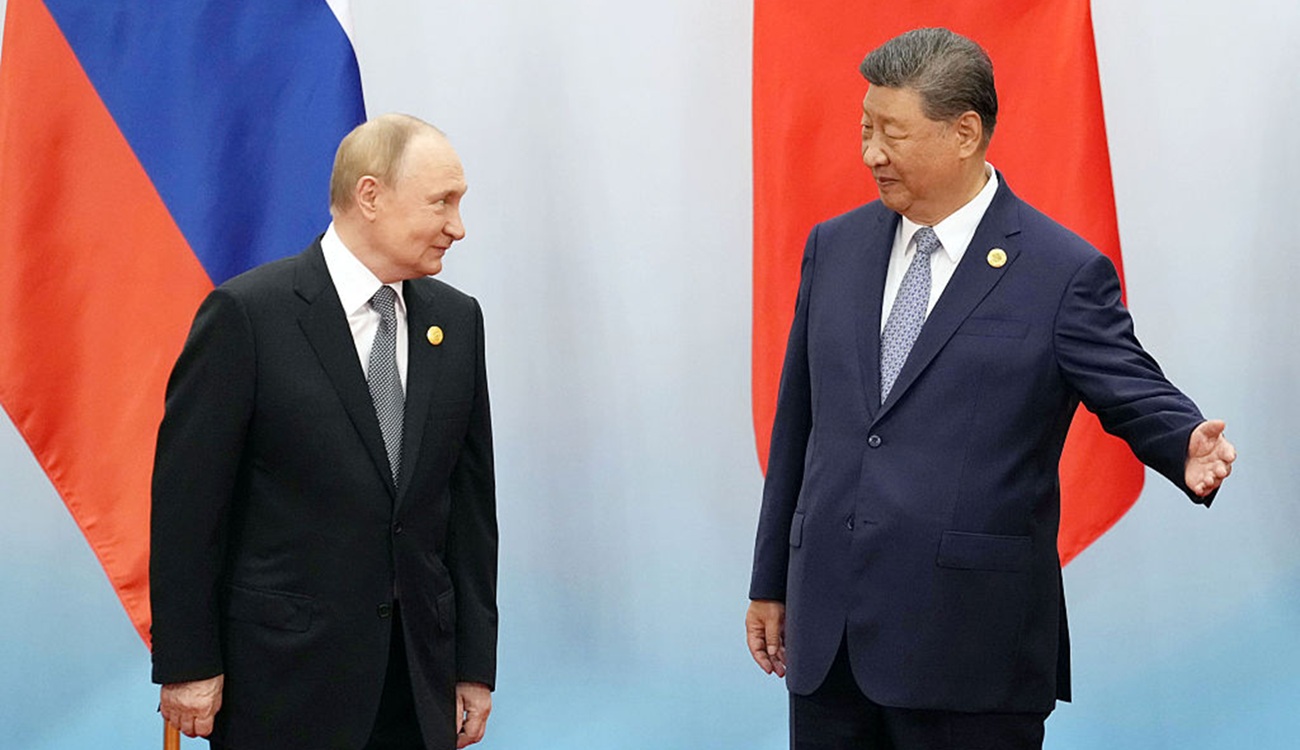
According to UATV: According to Mykhailo Synayuk, an expert with the 'Ukrainian Prism' analytical center's Russian and Belarusian studies program, China has significant influence over Russia's decisions regarding the war in Ukraine, yet Beijing is in no hurry to apply pressure. Speaking on the FREEДОМ TV channel, Synayuk noted that China maintains a neutral stance in the Russia-Ukraine conflict, reflecting a cautious approach to the situation. This neutrality, however, masks Beijing's growing economic leverage over Moscow.
Synayuk emphasized that China derives greater dividends from its relationship with Russia than the other way around, highlighting that despite their strategic partnership, Beijing prioritizes its own interests. This dynamic gives China considerable sway, but it has not yet chosen to wield it directly. For context, China has become Russia's top trading partner and a key buyer of its energy exports, making it a critical economic lifeline for Moscow amid Western sanctions.
Economic Tools in Beijing's Hands
Synayuk pointed out that
“currently, it is Beijing that holds the economic reins over Russia”— meaning China possesses economic levers capable of influencing Kremlin policy. He noted that China's continued support for Russia hinges on a calculation of benefits versus costs.
“It's a question of the price China will pay either for backing the Kremlin [in prolonging the war] or for compelling it to pursue peace”the expert explained.
Synayuk stressed that if Beijing realizes the war is costing it more than it gains, “the Celestial Empire will certainly start leaning toward forcing Putin to sit down at the negotiating table.” This suggests China could shift its position if the conflict begins to harm its economic interests. The expert’s analysis underscores that even strategic allies can have diverging priorities, and Beijing’s stance may evolve as it reassesses the geopolitical and economic risks.
Overall, Synayuk highlights the complexity and uncertainty of international relations in the context of the Ukraine war, as well as the potential for changes in China's position depending on how events unfold. His remarks underscore the importance of economic factors in Chinese foreign policy, particularly regarding the war in Ukraine. Beijing's stance could shift significantly based on how the conflict impacts its economic interests, potentially leading to new diplomatic initiatives.
Read also
- Syrskyi’s Criticism of Military Contracts: What Changes After His Dismissal
- Ukrainian Foreign Minister Holds Talks with European Counterparts on Black Sea Security and Air Defense
- Ex-Defense Minister Fedorov Sets Sights on Only One Role: No Other Positions Under Consideration
- Ireland Pledges €125 Million to Ukraine: What the New Aid Package Includes
- Next EU Sanctions Package on Russia: Zelenskyy Thanks Brussels for Round 21
- Kremlin Eyes Fresh Mobilization Drive: Up to 500,000 Troops Could Be Deployed to the Front