On the Brink of War Between the U.S. and Iran: Could the Suez Canal Be Disrupted?.

U.S.-Iran Conflict Escalates
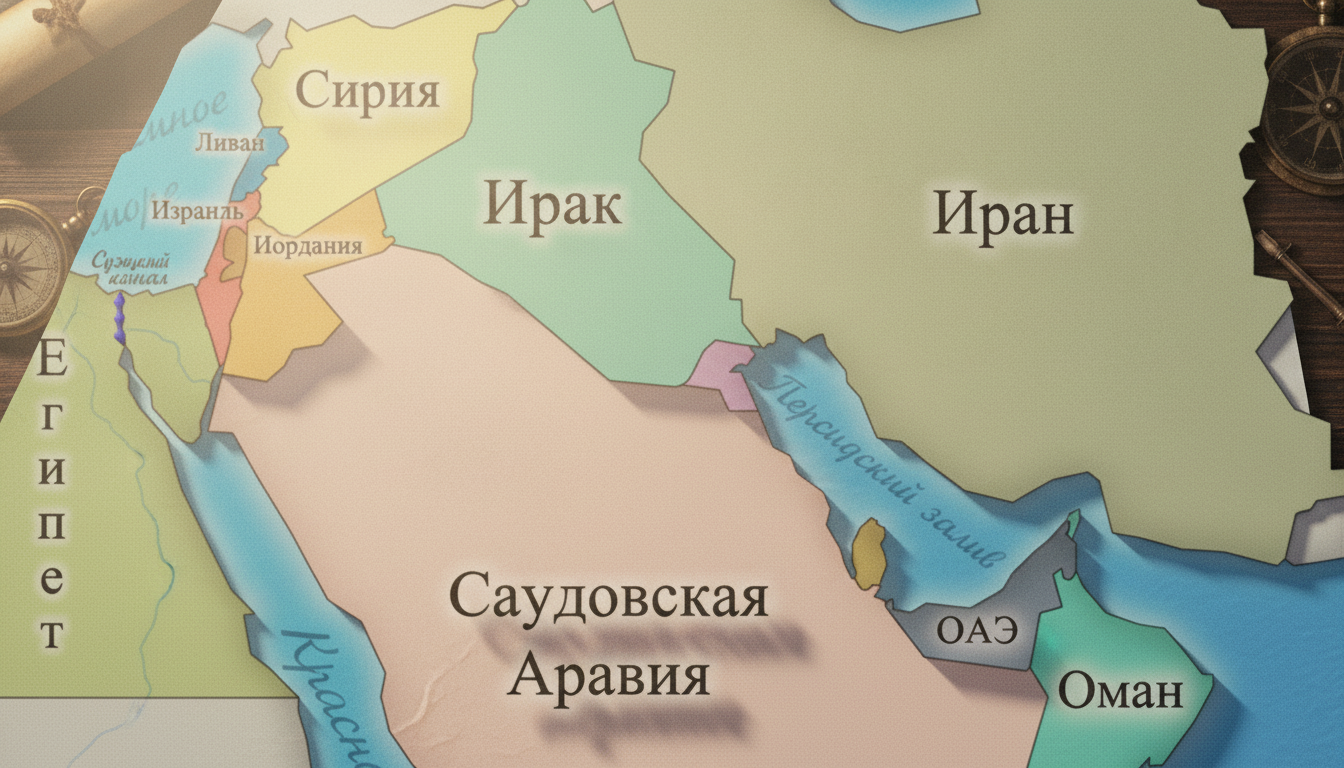
According to UATV: As of July 23, the United States has conducted airstrikes against Iran for 12 consecutive nights, marking a significant escalation in hostilities. This intensifying conflict now threatens to disrupt operations along the Suez Canal, a critical maritime trade route. In retaliation, Iran has targeted vessels in the Strait of Hormuz, raising serious concerns for global commerce and regional security.
Iran currently controls roughly one-third of Yemeni territory, adding another layer of instability across the Middle East. The escalating tensions have already driven up oil prices:
- Brent crude has surpassed $95 per barrel,
- Russia's Urals blend has climbed to $76 per barrel.
These price hikes reflect growing anxiety in energy markets, with potential ripple effects for economies worldwide.
Middle East Situation
“Iran continues to do exactly what it has been doing for the past 10 days” – Vyacheslav Likhachev
According to expert Vyacheslav Likhachev, Tehran's aggressive policies remain consistent. He also noted that “the United States continues to concentrate its forces in the Middle East,” signaling a bolstered American military presence in the region. Likhachev warned that “this also involves attacks on infrastructure essential for the survival of populations in the Arab monarchies of the Persian Gulf,” which could fuel further escalation.
The Middle East remains highly volatile, and any further moves by either side could significantly impact international markets and the safety of key shipping lanes, particularly the Suez Canal.
The ongoing U.S.-Iran standoff underscores the deep geopolitical complexities in the region, with far-reaching implications for the global economy—especially regarding energy prices. The surge in oil costs highlights how sensitive markets are to military action and signals the potential for worsening relations between the two nations. Continued uncertainty in the region may act as a catalyst for new crises in global trade and security, demanding close attention from the international community.
Read also
- Ex-Defense Minister Fedorov Sets Sights on Only One Role: No Other Positions Under Consideration
- Ireland Pledges €125 Million to Ukraine: What the New Aid Package Includes
- Next EU Sanctions Package on Russia: Zelenskyy Thanks Brussels for Round 21
- Kremlin Eyes Fresh Mobilization Drive: Up to 500,000 Troops Could Be Deployed to the Front
- EU Ambassadors Approve 21st Sanctions Package: 32 Russian Banks to Lose Transaction Access
- EU Approves €115 Million for Defense Innovation: What It Means for Ukraine