Why Micro-LED is Outshining and Outlasting OLED Technology.

The Rise of Micro-LED
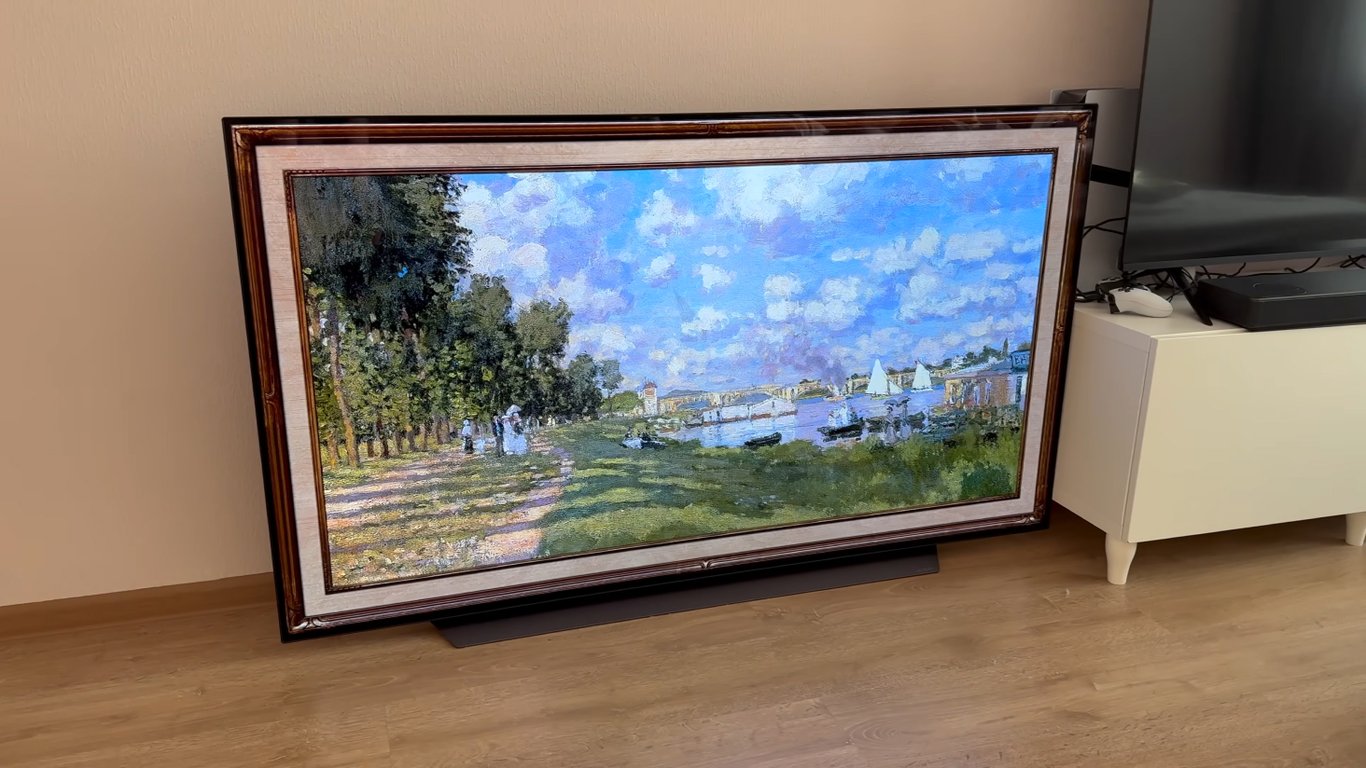
According to Novyny.live: Despite its high manufacturing cost, Micro-LED technology is beginning to surpass OLED due to its superior brightness and longevity. This display innovation was first developed in 2000 but only started gaining significant market traction in the early 2020s. The technology's major commercial debut is credited to Samsung, which showcased its modular Micro-LED TV, The Wall, at the CES trade show in 2018. This annual event in Las Vegas is a key global launchpad for consumer electronics.
Micro-LED's Advantages and Hurdles
Micro-LED offers compelling benefits for consumers seeking a premium viewing experience. While the brightest OLED TVs typically achieve between 2,000 and 2,500 nits, commercial Micro-LED panels can deliver a stunning range from 2,000 to an impressive 10,000 nits. This substantial increase in brightness is crucial for achieving more vivid and lifelike HDR content, especially in brightly lit rooms.
However, the primary challenge for Micro-LED remains its expensive production process, which impacts final product pricing. Nevertheless, consumer demand for these panels continues to grow, indicating strong market potential. This interest suggests a shift in consumer preference towards higher performance, even at a premium.
Consequently, Micro-LED is positioned to become the new benchmark for displays, gradually displacing OLED through its advantages in brightness and durability. Manufacturers are actively refining the technology, which is expected to lead to lower costs and wider consumer availability in the coming years. As production scales and processes are optimized, prices are likely to fall, making this cutting-edge technology more accessible and accelerating its adoption in everyday consumer electronics.
Read also
- Mind-Controlled Robots Are Here: Chinese Firm Unveils Brain-Machine Platform
- Taiwan to Force TSMC and 400 Other Firms to Build Their Own Power Plants Under New Energy Rules
- Ukraine Seizes Russian Position Without Infantry for the First Time: 25,000 Military Robots on the Way for Armed Forces
- World’s Longest Underwater Tunnel Reaches Major Milestone in Qingdao: Key Details
- AMD Medusa Point Zen 6 Test Reveals Up to 10% Performance Boost
- U.S. Grants License to Extract Uranium from Seawater: What It Means for the Future