Who Can Be Drafted with Asthenic Disorder: Fitness for Service Explained.

Mobilization After the Medical Board: Severity Level Matters
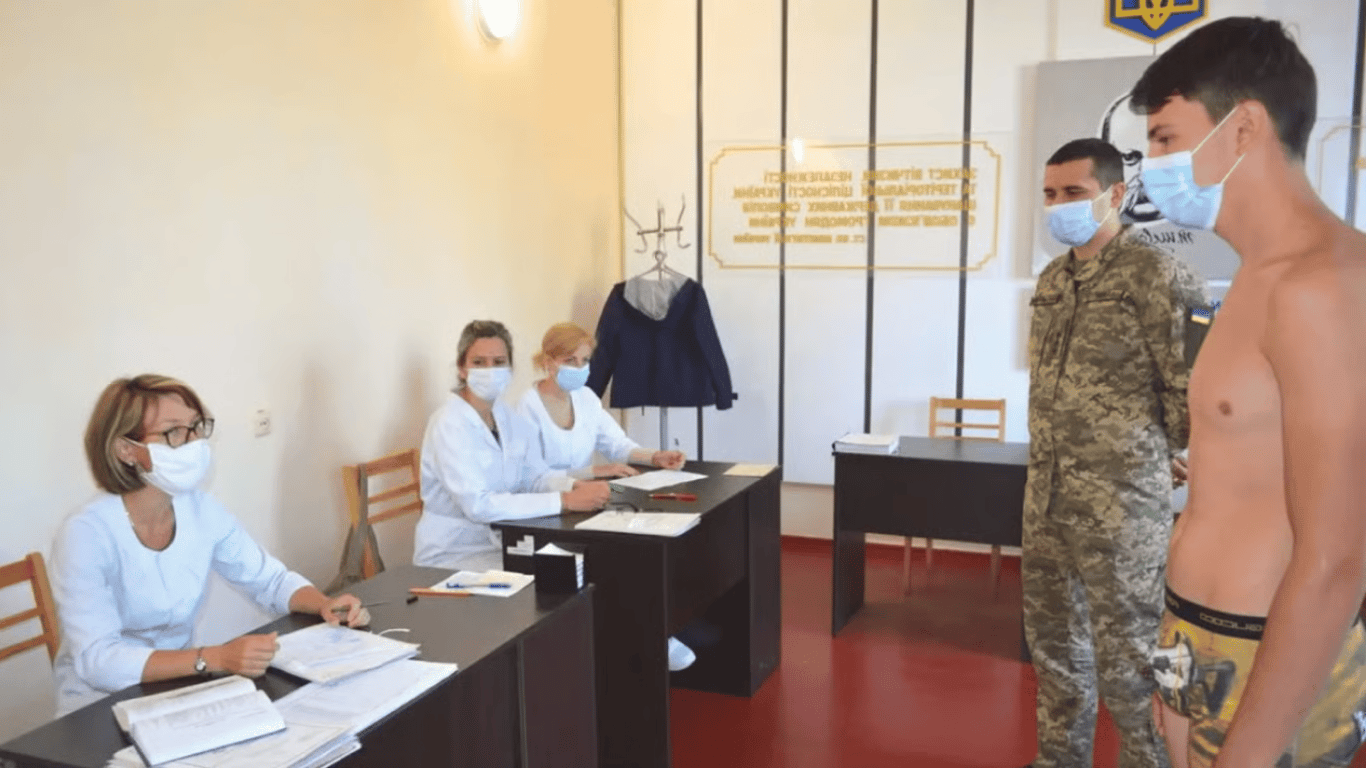
According to Novyny.live: Individuals diagnosed with asthenic disorders may still be eligible for military service, depending on how severe their condition is. The mobilization process begins with a military medical commission (MMC), where doctors assess a person's fitness for duty. The commission's decision can vary, and the individual may receive any of several possible classifications.
Only those with severe forms of asthenic disorder are deemed unfit for service. On the other hand, a person can be declared fully fit without restrictions. It is also worth noting that the MMC may assign a status of fit for service in rear units. Recent legal changes now allow the conscription of individuals with certain conditions, including:
- tuberculosis
- HIV
- hepatitis
- hypertension
- ulcer disease
As expert Vladyslav Deriy explains, 'With a diagnosis of emotionally labile (asthenic) disorders of organic origin, people are usually found fit for service in support units, territorial recruitment centers, military educational institutions, and similar. To be declared completely unfit for military service, you must have diagnosed severe, persistent mental disorders.'
This shows that not all asthenic disorders automatically disqualify someone from service, and the commission's ruling can differ based on the specific diagnosis and its severity.
In short, the decision to mobilize individuals with asthenic disorders depends on a case-by-case assessment by MMC doctors and the severity of the condition.
This information about mobilizing people with asthenic disorders highlights the critical role of medical evaluation and an individualized approach during the conscription process. The updated legislation on drafting individuals with certain illnesses reflects the military's need to fill its ranks, while still carefully considering the health of recruits. This could shape future decisions by medical boards and the formation of military units that require different categories of service members.
Read also
- Russian Font Found on Banknote Featuring Ukrainian Poet Stus; NBU to Redesign the Bill
- 501 Fallen Repatriated to Ukraine; Over 300 Died While in Captivity
- Ukraine Receives 522 Bodies in Its Largest-Ever Repatriation Operation
- Statehood Day Marked Across Ukraine with Prayer Services and Public Gatherings
- From Survival to Growth: How Education and Its People Are Reshaping Kharkiv
- 23 Children Rescued from Occupied Territories: A New Win for Ukraine’s Bring Kids Back UA Initiative