Why Many Veterans Are Rejecting Prosthetics From State-Run Clinics.

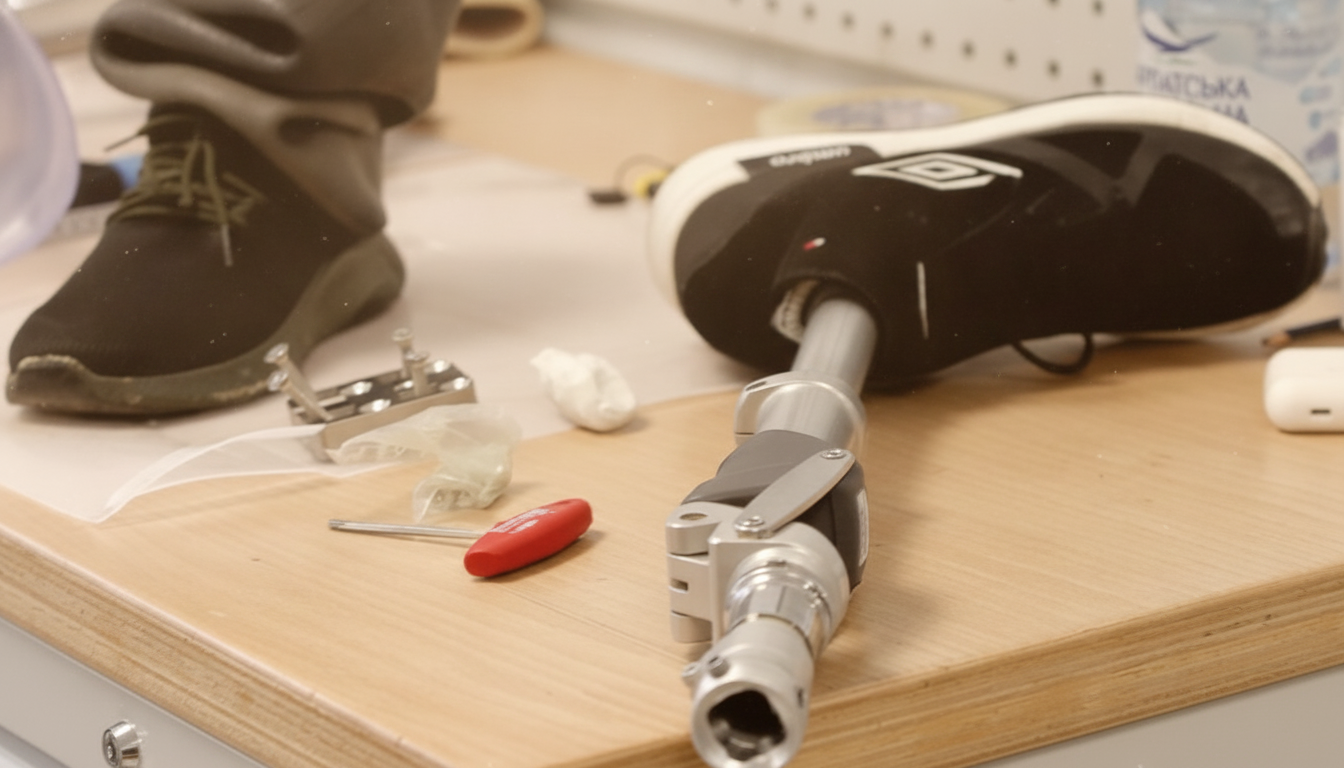
The Struggles of Veterans Adjusting to Artificial Limbs
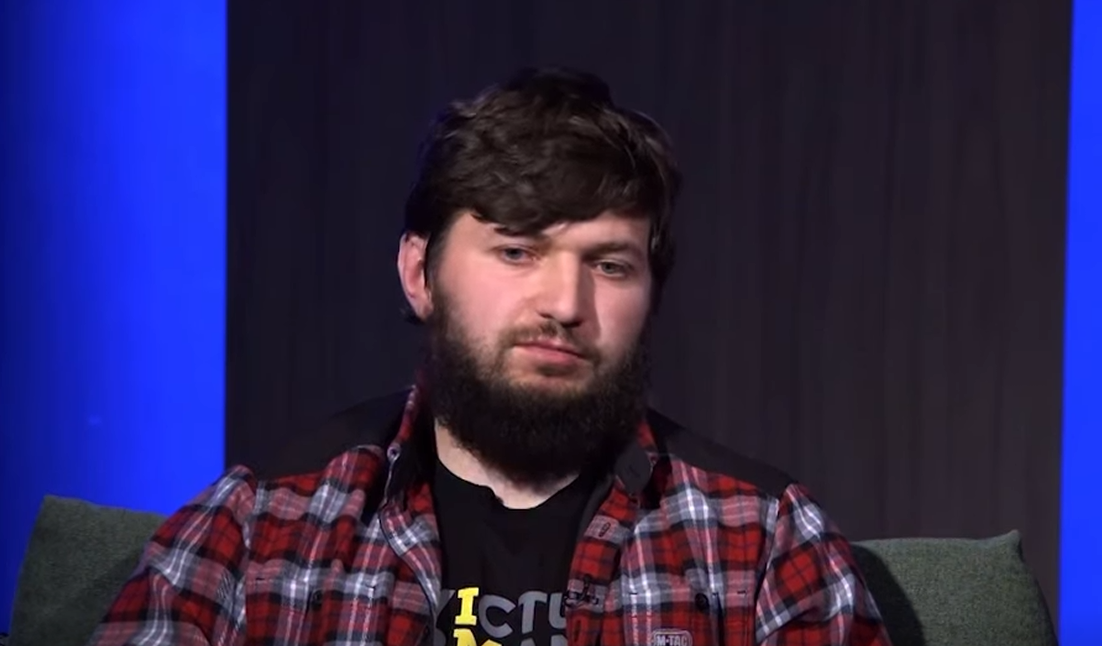
According to Espreso.tv: A soldier from the 3rd Brigade, Ostap Frankiv, has shed light on the difficulties veterans face when adapting to prosthetic limbs. The main issue lies in the process of taking measurements and creating the socket. In state clinics, this step often lacks personalized fitting, leading to serious problems for patients.
Veterans who receive prosthetics from public medical facilities frequently encounter challenges with using them. According to Ostap Frankiv,
“many guys get a prosthetic—whether mechanical or electronic—from state clinics, and then go to private or charitable organizations to have the socket remade because it’s uncomfortable and rubs.”This highlights how the quality of socket manufacturing in state institutions often fails to meet veterans' needs.
The Critical Role of Customization
Frankiv also stressed that rubbing and discomfort can lead to veterans abandoning their prosthetics altogether.
“When it rubs, you can’t walk, you start getting frustrated, and eventually you just give up on the prosthetic and stop using it,”he explained. This situation is alarming, as it negatively impacts the quality of life for veterans who depend on artificial limbs to regain mobility.
The issues raised by Ostap Frankiv underscore the urgent need for a more individualized approach to prosthetic manufacturing for veterans. The quality of medical services provided in state clinics requires immediate improvement to ensure comfort and functionality for those who have already endured so much. Enhancing the socket-making process could significantly boost veterans' quality of life and aid their reintegration into society.
Read also
- 23 Children Rescued from Occupied Territories: A New Win for Ukraine’s Bring Kids Back UA Initiative
- How Adaptive CrossFit Helps a 3rd Brigade Veteran Master His Prosthetic
- What the 2024 Day of Ukrainian Statehood Means for Ukrainians: Key Changes
- Ukraine Marks Statehood Day on July 15 Amid Ongoing War
- Ukraine Marks 1,036 Years Since the Christianization of Kyivan Rus: The Long and Challenging Path to a New Faith
- Forced Child Evacuation Stalls in Ukraine: Ombudsman Issues Urgent Statement