Moldova's Withdrawal from the CIS: Implications for European Integration and Russian Relations.

Moldova's Departure from the CIS
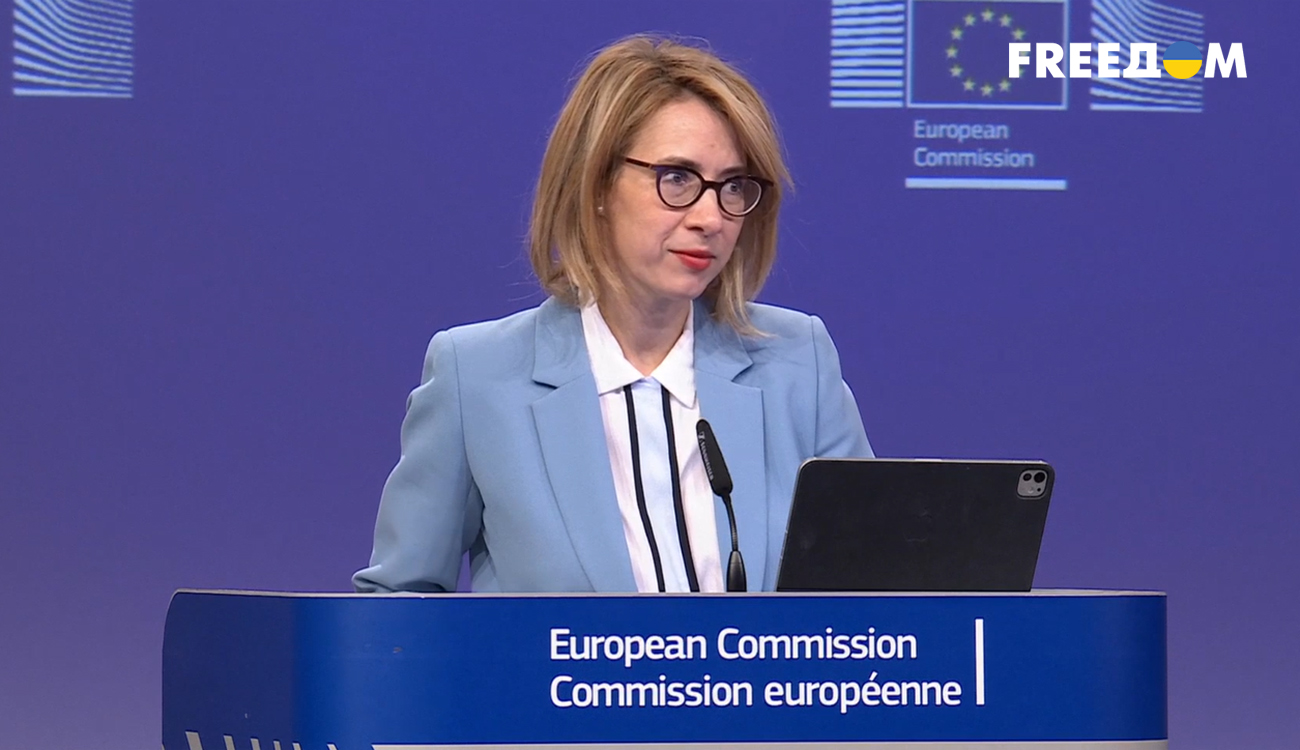
According to UATV: Moldova has decided to withdraw from the Commonwealth of Independent States (CIS), a move signaling its diminishing trust in Russia and its ambition to align more closely with Europe. On March 11, 2023, EU foreign policy and security spokesperson Anita Hipper confirmed the decision, stating that Moldova is taking steps to align its policies with the European Union's common foreign and security policy framework. This decision follows Russia's full-scale invasion of Ukraine, which has prompted a major geopolitical realignment across Eastern Europe.
The withdrawal process, initiated after the invasion, includes the denunciation of foundational CIS agreements. In a related economic move, Moldova has also nationalized assets belonging to the Russian company Lukoil and levied a fine of 5 million lei against it for delays.
Anita Hipper emphasized that this decision 'clearly shows that this is not an organization Moldova wants to be part of.'
Moldova's Shifting Geopolitical Course
Leaving the CIS represents a significant step for Moldova in its effort to strengthen European ties and reduce its historical dependence on Russia. This strategic pivot is likely to have a substantial impact on the country's foreign policy and economic relationships.
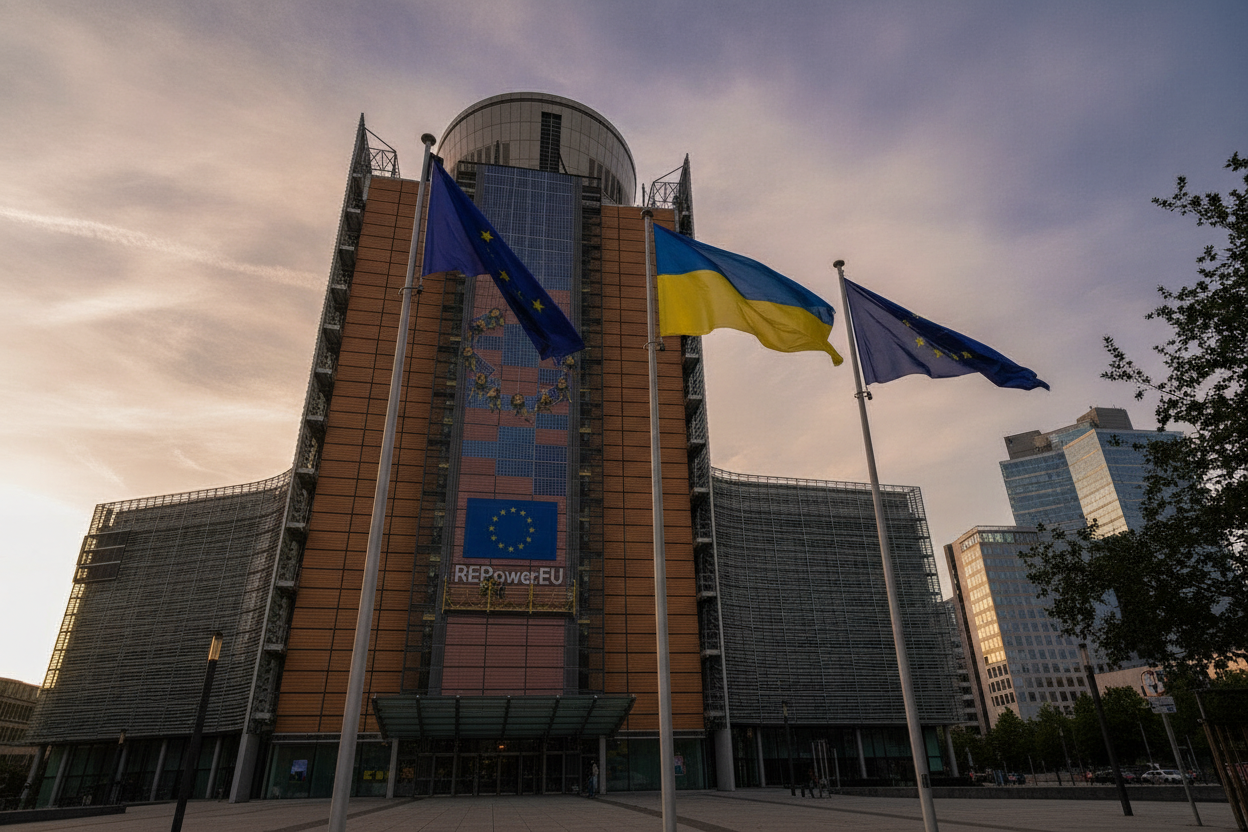
The move facilitates deeper integration with the European Union, which is considered crucial for Moldova's national security and economic development amid contemporary challenges. By taking this action, Moldova may set a precedent for other post-Soviet states seeking to diminish Russian influence and forge new partnerships within Europe.
Read also
- EU Labor Market Now Open to Ukrainians: What This Means for Workers
- EU Pledges €90 Billion in Aid to Ukraine; First Installment Arrives June 25
- Prisoner Swap Expected Within Days, Says Ukrainian Official Budanov
- Rutte Presses Trump at the White House: Is NATO’s Unity at Risk?
- Polish President Nawrocki Surpasses Holownia in Polls: Inside the Controversy Over Stripping Zelensky of an Order
- Germany’s Justice Minister Arrives in Kyiv with a New Cooperation Program Aimed at EU Integration