Winter's Hidden Threat: Protecting Your Automatic Transmission from Cold Weather Damage.

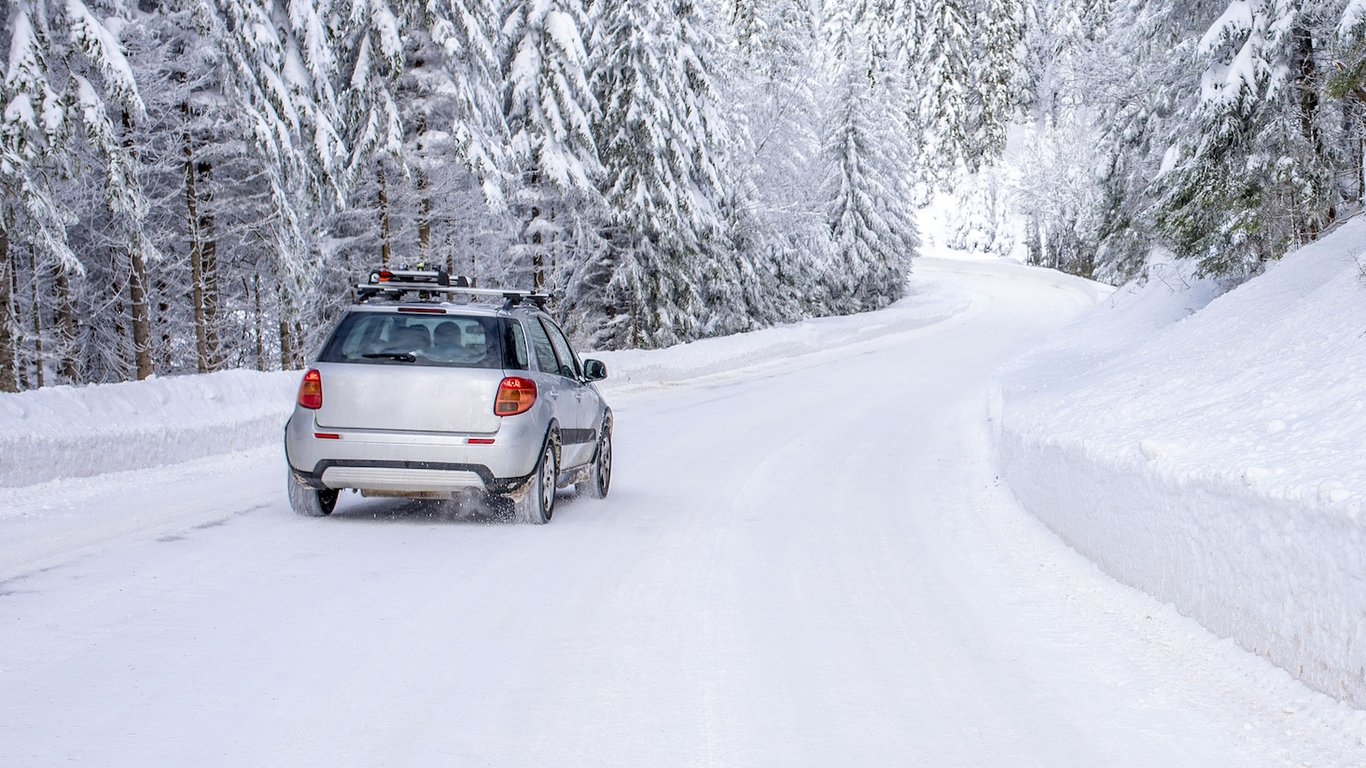
Winter's Hidden Threat: Protecting Your Automatic Transmission from Cold Weather Damage
According to Novyny.live: Freezing temperatures pose a significant risk to your car's automatic transmission, potentially leading to very costly repairs. Proper vehicle care and a correct warm-up routine are essential to prevent these expensive failures. This is a common concern for drivers in regions with harsh winters, where automotive systems are under extra strain.
In cold weather, the transmission fluid pump struggles to operate efficiently. Old or contaminated fluid can become abrasive at low temperatures, which damages internal components. Experts recommend letting your engine idle for 3 to 5 minutes to warm up. However, remember that the transmission itself does not warm up while the car is stationary, so you should avoid aggressive acceleration for at least the first two kilometers of your journey.
Essential Winter Transmission Care Guidelines
- Avoid prolonged wheel spinning, as this can cause the fluid in automatic transmissions to overheat.
- Do not shift between drive modes (like Drive and Reverse) without coming to a complete stop, as this can cause serious transmission damage.
- Engage the Winter or Snow mode if your vehicle is equipped with one, to reduce strain on the transmission.
- Regularly check the condition of the transmission fluid. Look for red or brown spots on the snow beneath your car, which indicate leaks.
- Timely inspection and replacement of the fluid are crucial to preventing major issues during cold snaps.
Following these straightforward guidelines can help drivers lower the risk of automatic transmission failure and ensure greater safety on winter roads.
During the winter months, drivers must pay extra attention to their vehicle's mechanical condition, as sub-zero temperatures can severely impact performance. Proper transmission maintenance not only saves money but is also a key factor in road safety. By adhering to these expert recommendations, drivers can significantly reduce the likelihood of unexpected breakdowns on their winter journeys.
Read also
- Antique Musket Balls Repurposed Into Solar Cells with 94% Efficiency
- South Korea Patents a Silent Engine for Air Taxis
- 144 FPS at 4K: A Gamer Pairs an RTX 3090 and RTX 3050 for Stunning Performance
- Snapdragon 8 Elite Gen 5: Qualcomm’s New Chip Targets Sub-$600 Smartphones
- Samsung Unveils Three New Odyssey Gaming Monitors: Specs and Features Revealed
- Plastic Waste Converted into Jet Fuel: New Breakthrough by Chinese Researchers