The Best Movies of the 90s: Top Cult Films of the Decade.

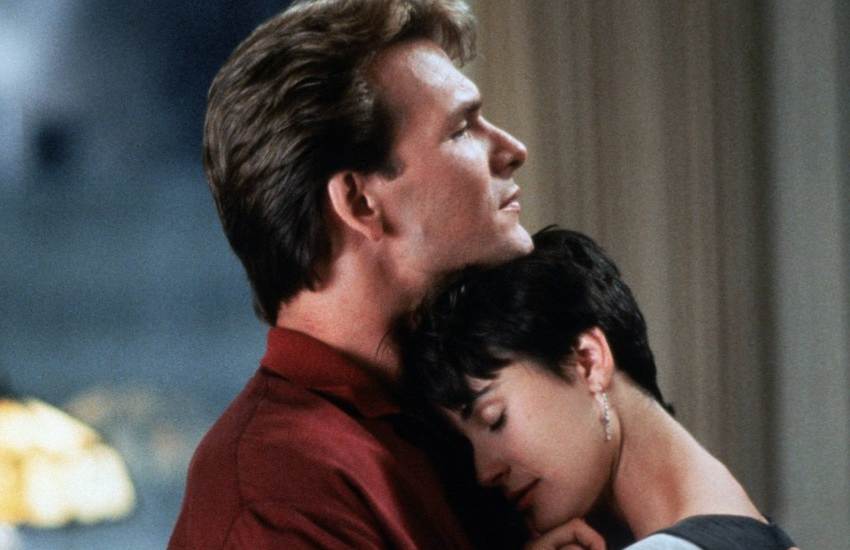
It's hard to argue, but the 90s truly gifted us an incredible number of great films. Therefore, the best movies of the 90s could make for a long list that is no longer expandable, yet cinephiles continue to find new films that haven't earned the title of the best movies of the 90s.
Thus, the films of the 90s remain interesting and relevant. They can surprise and even impress despite the fact that cinema has moved past the old special effects and various plot twists. Moreover, the TOP of the 90s films is incredibly diverse, and there are many films from different genres.
The Best Movies of the 90s
The nineties left behind a rich cinematic legacy that continues to influence modern storytelling and shape audience tastes worldwide. It was during this period that independent cinema truly flourished, allowing young directors to realize bold projects without the constraints of studios, which led to the emergence of films that broke traditional genre canons.
Directors such as Quentin Tarantino, Steven Spielberg, David Fincher, the Wachowski brothers, and Robert Zemeckis defined the face of the decade, creating works that became benchmarks for future generations of filmmakers. The visual aesthetic of the 90s was characterized by bold color choices, experimental editing, unconventional angles, and attention to detail, making each frame an artistic expression in its own right.
The screenwriting prowess of this period reached new heights — authors actively employed non-linear narratives, breaking chronological events and forcing the viewer to piece together the puzzle of the plot. The acting performances of the 90s were memorable for their depth and diversity: Tom Hanks, Morgan Freeman, Brad Pitt, Uma Thurman, John Travolta created characters whose lines became iconic, and whose images are recognizable in any corner of the planet.
The musical accompaniment of these films often turned into a separate cultural phenomenon, and the soundtracks to the films of the 90s remain popular among listeners of all ages, reflecting their timeless value. Each of the presented films not only entertained the audience — they offered deep reflections on human relationships, moral dilemmas, the value of freedom, and the meaning of existence, making them relevant for any era. This period was also marked by the active development of the festival movement, which opened the way for many talented artists whose names are today known worldwide. The nineties became a time when cinema ceased to be merely entertainment and transformed into a powerful tool for influencing public consciousness, defining the relevance of these films even thirty years after their release. Many contemporary directors acknowledge that it was the films of the 90s that inspired them to create their own works.
The list of the best films of the nineties could be endless, yet there are films that stand out even among this diversity due to their artistic value, impact on pop culture, and ability to evoke strong emotions in viewers of all ages. Each of these films is revolutionary in its own way: some experimented with narrative form, others offered a new perspective on historical events, and others created unique visual worlds that still impress with their boldness. A significant role in the establishment of 90s cinema was played by independent studios, which allowed directors to implement projects that did not conform to standard Hollywood frameworks, resulting in films that are considered cult classics today. A considerable contribution to the development of cinema was also made by European directors whose works showcased a different view of reality and provided a deep psychological analysis of human nature, enriching the global cinematic palette.
The Shawshank Redemption (1994)
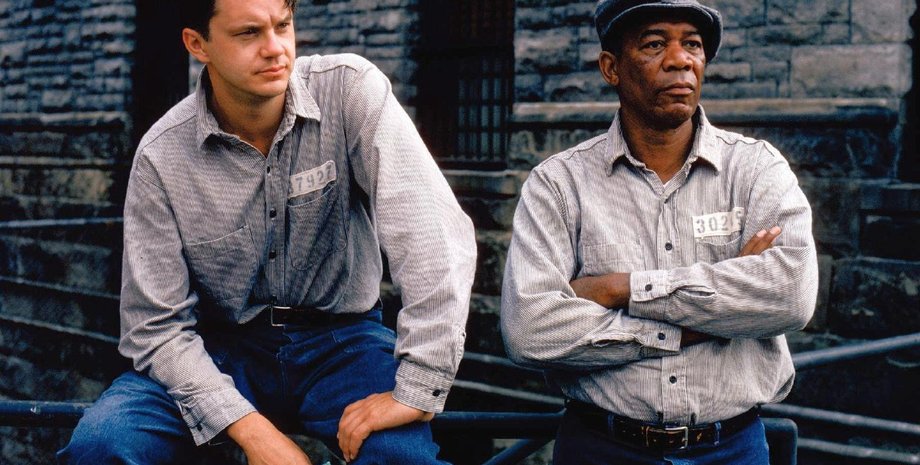
Frank Darabont's film, adapted from a Stephen King novella, tells the story of Andy Dufresne — a successful banker wrongfully sentenced to life imprisonment for the murder of his wife and her lover, a crime he did not commit. Arriving at the harsh Shawshank prison, the protagonist confronts the brutality of the guards, corruption within the administration, and violence from other inmates; however, due to his intelligence, financial knowledge, and incredible perseverance, he finds a way not only to survive in these conditions but also to maintain his human dignity.
A key character becomes Ellis Boyd Redding, known as Red, played by Morgan Freeman — an inmate serving time for murder who becomes Andy's best friend and ally, and his voice accompanies the narrative throughout the film. The relationship between these two characters demonstrates how strong friendship, mutual respect, and trust can be born in the most hopeless circumstances, helping to overcome any obstacles. The symbol of hope gains particular significance — this quality allows Andy to endure decades of unjust imprisonment, create a library for inmates, assist guards with financial issues, and ultimately achieve an incredible escape, which remains one of the most iconic scenes in cinema history. The director masterfully utilizes visual metaphors — the grim walls of the prison contrast with the open space that the characters can only see in their imagination.
The scene of Andy’s freedom, where he stretches his hands to the sky under heavy rain, became a symbol of spiritual victory over circumstances. The film raises questions of judicial injustice and the price of freedom. Each viewing of this film reveals new details. The film ranks high in many ratings.
Pulp Fiction (1994)
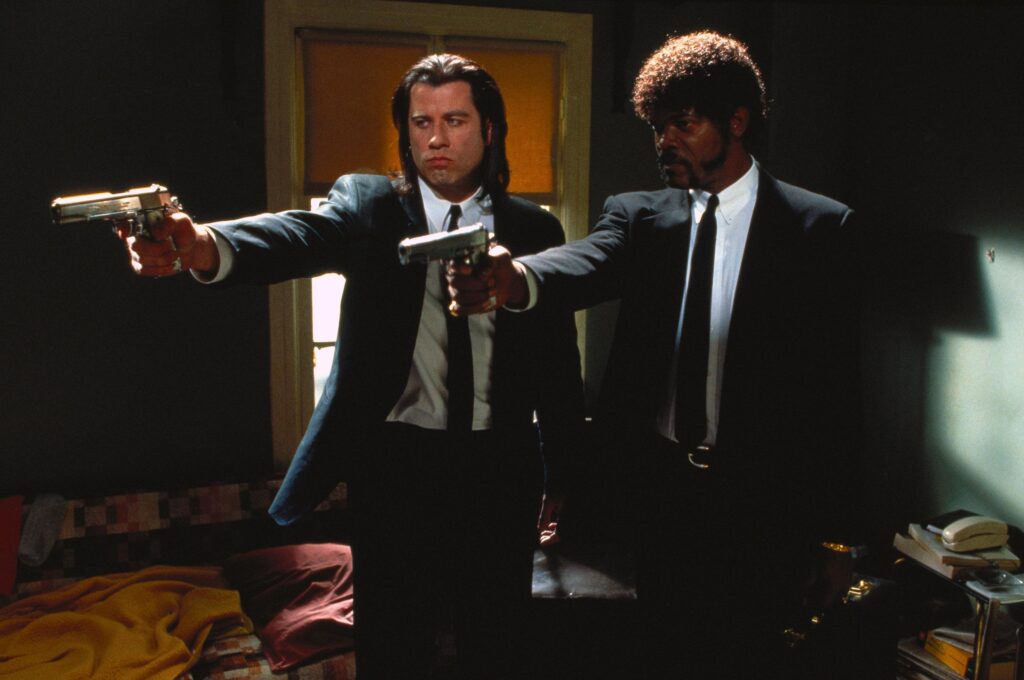
Quentin Tarantino offered viewers a completely new approach to the crime genre by breaking linear chronology into separate stories that intertwine through shared characters, locations, and random encounters, creating a complex yet captivating mosaic. The plot unites several storylines: hitmen Vincent Vega and Jules Winnfield, who do dirty work for mob boss Marsellus Wallace; boxer Butch Coolidge, who refuses to lose a fixed fight; and Mia Wallace — the boss’s wife who accidentally finds herself at the center of dangerous events. Tarantino uses dialogues as the main tool for character development — the characters discuss philosophy, music, cinema, burgers, foot massages, and other ordinary things, contrasting with the violent scenes and creating a unique atmosphere.
The dance scene between Vincent and Mia set to Chuck Berry's song became the film's trademark and a symbol of an entire era, quoted in many other films. The cast impresses with its star power. The film won the Golden Palm Award at Cannes. The influence of this film on contemporary cinema is hard to overestimate.
Forrest Gump (1994)

Robert Zemeckis created a story about a man whose low level of intelligence does not prevent him from living a rich and meaningful life, filled with incredible adventures and achievements that change the lives of those around him. Forrest Gump goes through the Vietnam War, becomes a table tennis champion, starts a successful shrimp fishing company, and embarks on a years-long run across America. Tom Hanks created a character that combines naivety, sincerity, and incredible inner strength.
Using archival insertions where Forrest interacts with real historical figures adds an effect of authenticity. The film received six Oscars. It became a manifesto of simplicity and kindness. Each viewing brings new emotions. Forrest Gump remains one of the most beloved characters.
Schindler's List (1993)
Read also
- The Best Movies About Gambling: Top Captivating Films About Risk and Betting
- Motivational Movies: Top Best Films for Inspiration and Self-Development
- The Best French Movies: Top Iconic Films from France
- Taylor Swift and Travis Kelce Tie the Knot in New York: Inside Their Private Wedding
- Movies about Betrayal: The Best Films about Passion, Deception, and Relationships
- Movies Based on True Events: Top Best Films Based on Reality