NATO Launches Major Baltic Exercise with 2,600 Troops from 13 Nations.

NATO's Steadfast Dart 26 Exercise Underway
According to UATV: The main phase of NATO's Steadfast Dart 26 exercise for 2023 has now commenced. The drills involve 2,600 personnel and 15 naval vessels from 13 member states. A key amphibious landing was conducted on the Baltic Sea coast in Germany, highlighting the region's strategic importance to the Alliance. These exercises are part of NATO's ongoing efforts to bolster its eastern flank in response to regional security concerns.
Debate Over a European Nuclear Deterrent
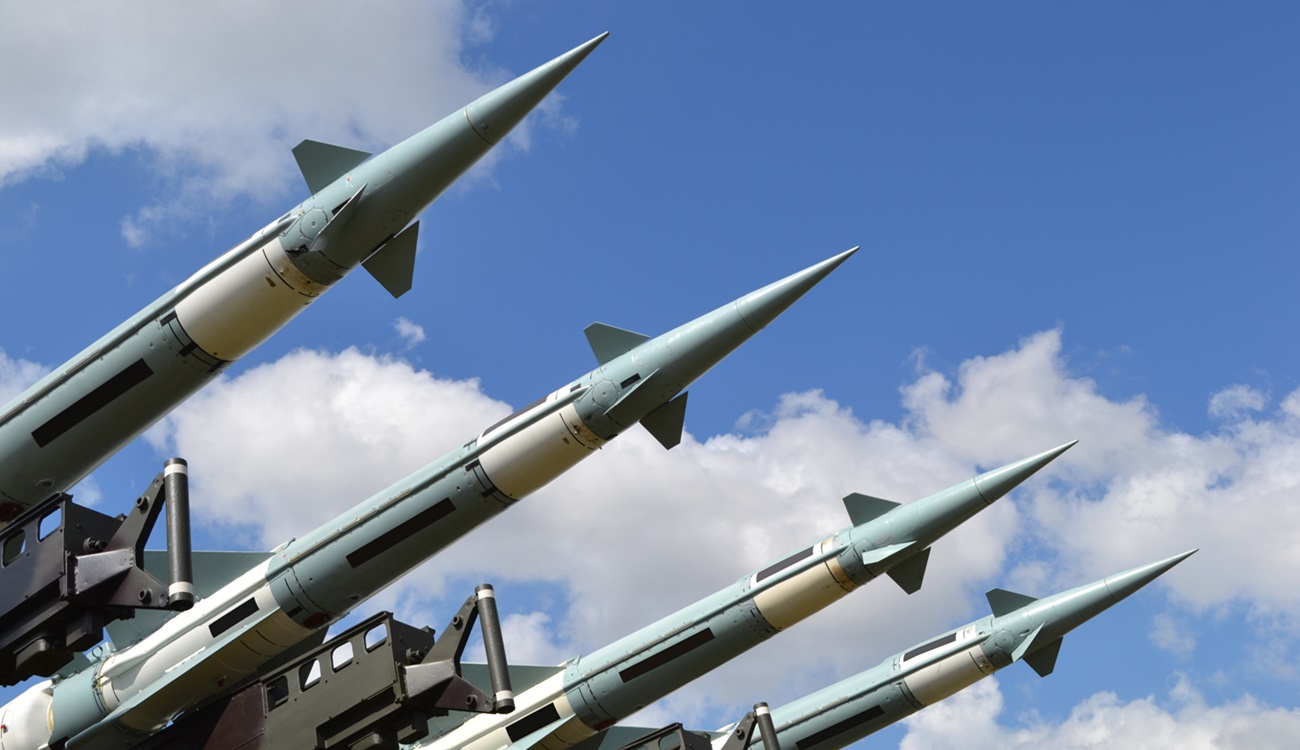
In parallel, discussions are advancing on a potential European nuclear deterrent framework. Germany has expressed readiness to participate by potentially contributing its Tornado fighter jets, which could be equipped to deploy French or British nuclear warheads. Both France and the United Kingdom possess over 200 nuclear warheads each, underscoring the significance of deepened security cooperation among European allies.
- German Chancellor Friedrich Merz and French President Emmanuel Macron have discussed the need to reassess nuclear deterrence strategy.
"We need to rethink nuclear deterrence," Macron stated.
- Poland has also voiced support for the nuclear project. This was noted by the head of the Bundestag's special committee, Marc Henrichmann, who emphasized: 'We want to continue close cooperation with the Americans.'
- Estonia's position was conveyed by Foreign Minister Margus Tsahkna, who remarked: 'We are not against the deployment of nuclear weapons on our territory.'
The persistent threat posed by Russia remains a central topic, identified as the primary military concern not only for Sweden but for NATO as a whole.
Consequently, the Steadfast Dart 26 exercises and the deliberations on a European nuclear deterrent highlight an intensification of military collaboration among NATO members. These developments reflect the Alliance's drive to adapt its strategies to contemporary security challenges, particularly those emanating from Russia. This evolving geopolitical landscape is compelling allied nations to explore new approaches to collective defense, making international support and coordination in this sphere increasingly critical.
Read also
- Greece Blocks the EU’s 21st Sanctions Package Against Russia: Three Possible Outcomes
- What Lies Behind Trump’s Shift in Tone on Ukraine?
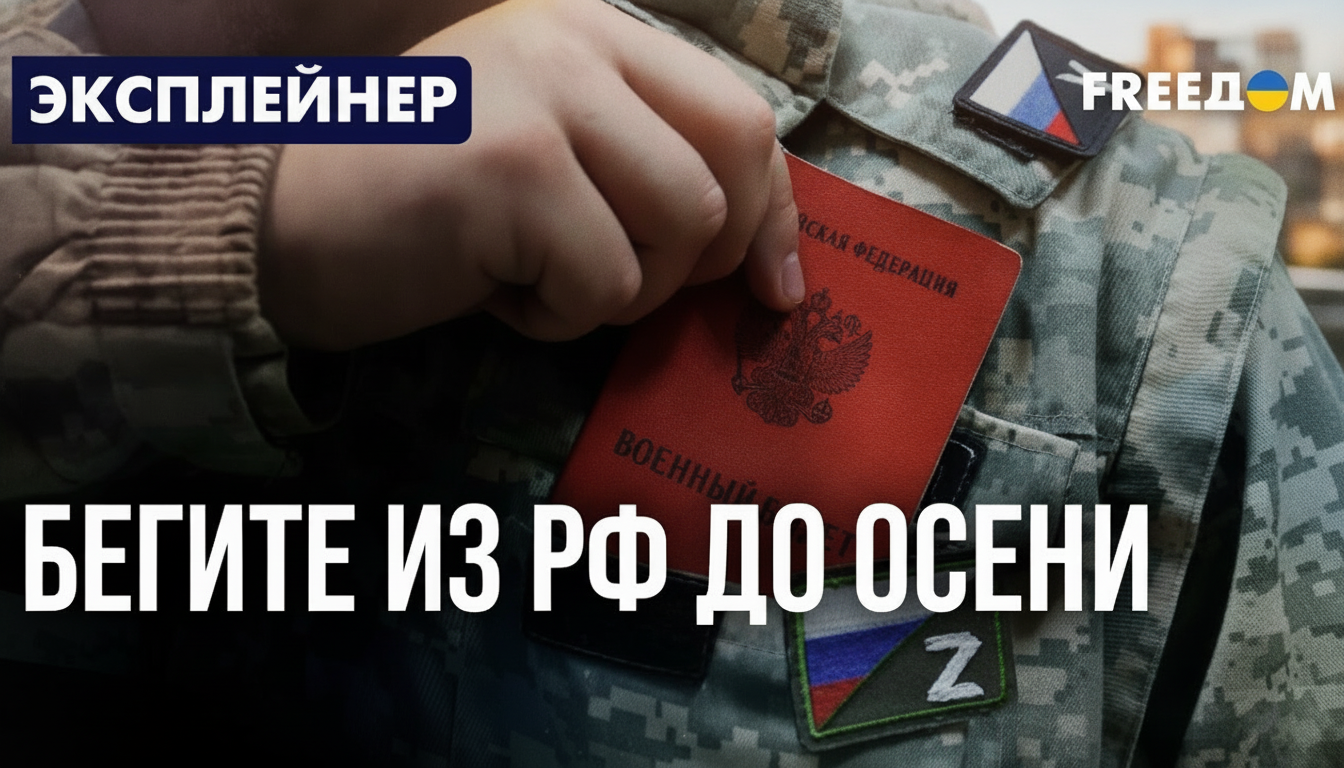
- Kremlin Plans to Draft Over 500,000; Men of Conscription Age Advised to Leave Russia Before Autumn
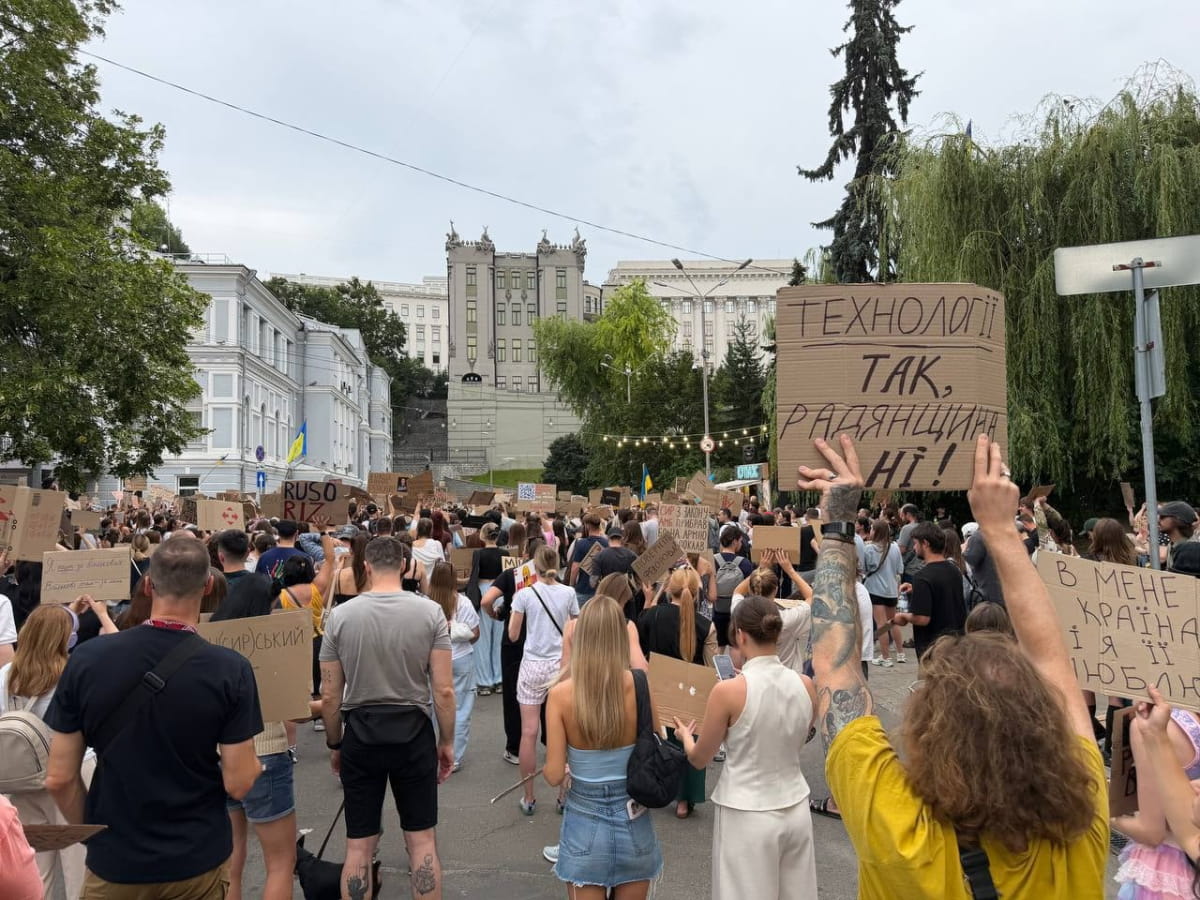
- Day Five of Ukrainian Protests: Crowds Demand Fyodorov’s Return and Syrskyi’s Dismissal
- Zelensky given ultimatum by July 24: Kyiv and Lviv protests demand dismissal of Commander-in-Chief Syrskyi
- Three Russian Aircraft Intercepted by Poland as Warsaw Braces for Fresh Provocations from Moscow