Why Your Fast Charging Might Fail: Not All USB-C Cables Are Created Equal.

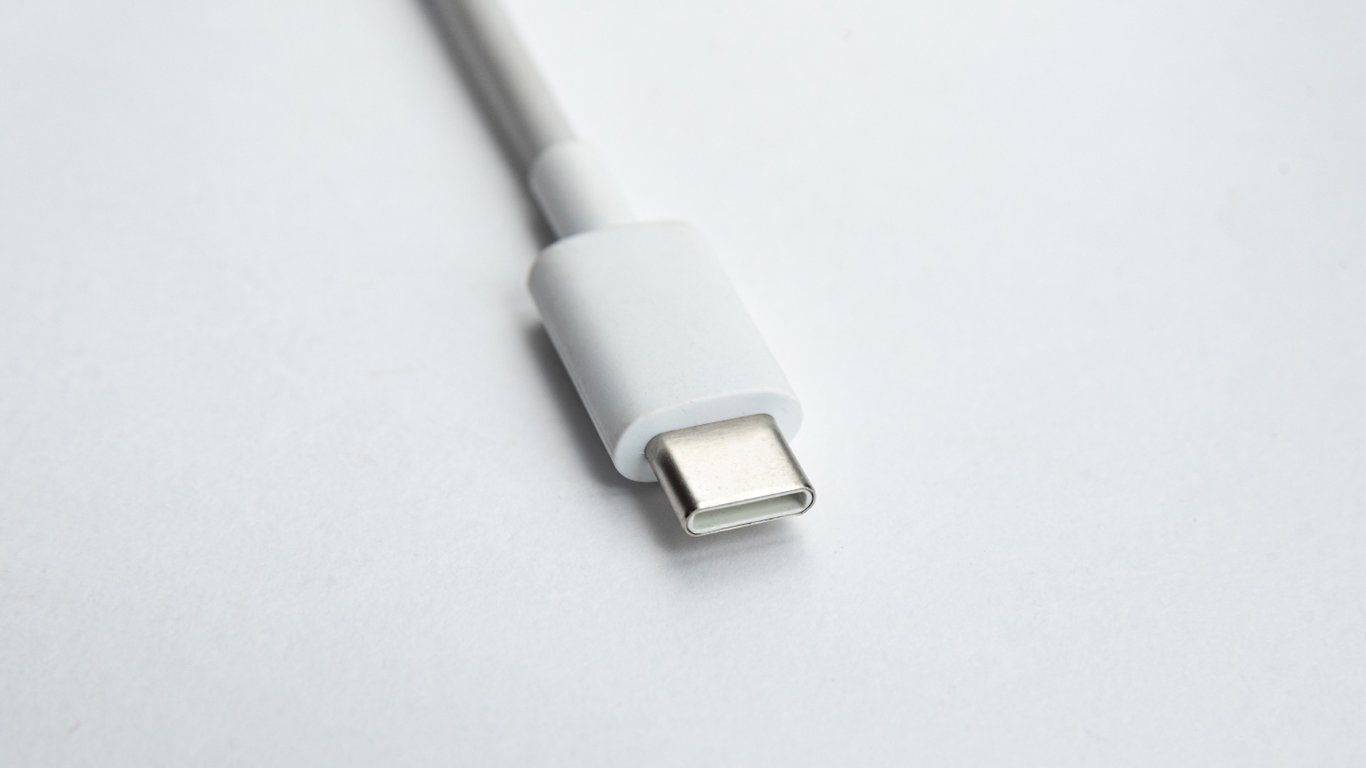
The Real Reason Some USB-C Cables Can't Handle Fast Charging
According to Novyny.live: USB-C has become the go-to standard for charging, but cable capabilities vary widely. While the USB-C interface can deliver anywhere from 60 to 100 watts of power, not every cable on the market is built to handle those higher loads. This distinction matters more than ever as users seek to speed up their charging routines.
Cables with USB-C connectors on both ends are more likely to support fast charging because they are typically designed for higher wattage. However, users should always check the power rating printed on the cable or its packaging—commonly marked as 60W or 100W. This label is a key indicator of what the cable can actually handle.
Certification and Compatibility: What You Need to Know
USB-IF certification is another critical factor that helps reduce the risk of buying uncertified cables. Shoppers should proceed with caution, as USB-A to USB-C cables often lack support for Power Delivery standards, which can significantly slow down charging. Just because a cable fits physically doesn't mean it can deliver the required power—this mismatch can lead to unpredictable performance.
Remember that charging speed is only as strong as the weakest link in the chain. Even with a high-power cable, other components like the charger or the device itself may impose limits. That is why evaluating the entire charging system—cable, adapter, and device—is essential for achieving the best results.
With the growing popularity of USB-C devices, understanding the differences in cable capabilities has become crucial. Choosing the right cable can dramatically improve charging efficiency, cutting down wait times and boosting convenience. In a world where speed and reliability are increasingly important, knowing your cable's specs is a smart step toward a better user experience.
Read also
- NVIDIA to Skip RTX 60 in 2027, Launching RTX 50 Super Instead
- CATL unveils electric truck battery that charges in just 7 minutes
- Chinese Robot Claims Second Consecutive World Title in Humanoid Football Championship
- Samsung Launches Mass Production of PCIe 6.0 SSDs with Read Speeds Reaching 28.4 GB/s
- Smart Glasses Camera Disabled When Indicator Is Damaged: Meta’s New Privacy Update Explained
- NVIDIA Confirms Rigel Core for Rosa Processors: What to Expect from the Upcoming Lineup