Germany’s Most Powerful Engines Ever Built: A Look at Legendary Motors from Audi, BMW, Mercedes, and More.

German Automotive Engineering
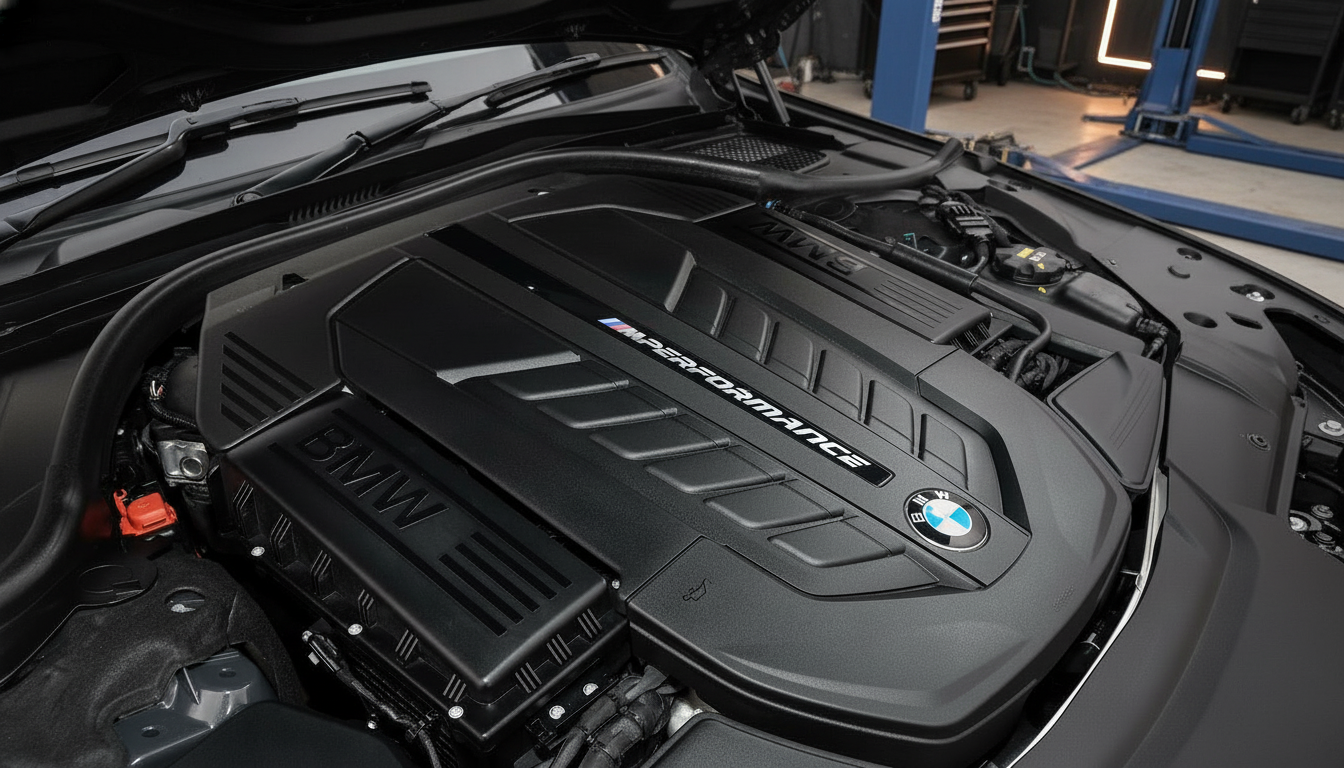
According to Novyny.live: German automotive engineering boasts a legacy spanning nearly 140 years. This long history has produced countless iconic models that have shaped the global car industry. Major manufacturers such as Audi, BMW, Mercedes-Benz, Porsche, and Volkswagen have pioneered engines that not only meet modern consumer demands but also set new benchmarks in performance and innovation.
Key Milestones from German Automakers
Audi’s groundbreaking developments deserve special mention. In 2006, the company introduced a 5.5-liter twin-turbocharged V12 diesel engine, which secured the first-ever diesel victories at the 24 Hours of Le Mans and the 12 Hours of Sebring endurance races. Additionally, the 5-cylinder Audi R5 engine—a 2.1-liter turbocharged variant—powered the Audi Quattro starting in 1980, marking a historic moment for the brand.
BMW’s engineering masterpieces stand out for their technical sophistication. The M20 engine, introduced in 1977 in a 2.0-liter version, laid the groundwork for future developments. The BMW M3 sports sedan featured S14 engines with displacements of 2.3 liters, 2.5 liters, and 2.0 liters, designed for track racing and demonstrating exceptional performance and reliability.
Mercedes-Benz innovations are equally noteworthy. Between 1954 and 1955, the company created the 2.5-liter inline 8-cylinder M196 engine, a key milestone in engine evolution. Furthermore, AMG produced the 6.2-liter naturally aspirated V8 (codenamed M156) with up to 518 horsepower, while the 2.0-liter 4-cylinder turbocharged M139 engine delivers 416 horsepower—making it the most powerful production 4-cylinder engine in the world.
Porsche’s cult status stems from its elegant design and powerful engines used across its model lineup. However, specific Porsche engine details were not included in this list, so the focus remains on other manufacturers.
Volkswagen’s mass-market engines are renowned for their simplicity and reliability. The Volkswagen Type 1, produced from 1938 to 2003, became an automotive icon. The EA827 engine, used in the first-generation Golf GTI, came in displacements from 1.3 to 2.0 liters, showcasing market adaptability. In 2001, Volkswagen introduced a 4.0-liter W8 engine producing 271 horsepower for the Passat, while the 8.0-liter W16 with four turbochargers in the Bugatti Veyron delivers an astonishing 1,479 horsepower.
Overall, the achievements of German automakers in engine development highlight their profound impact on the automotive industry, shaping both its history and future.
German car manufacturers continue to influence the global automotive landscape through innovative engineering and uncompromising quality standards. Their ability to adapt to evolving market needs and integrate cutting-edge technology underscores the importance of German engineering worldwide. Amid growing competition and the shift toward electric mobility, these brands must maintain leadership by blending traditional strengths with modern trends.
Read also
- Turn Your Old Phone Into a Smart Display: Inside the New ScreenWall Web Platform
- Speed Record Set by Bombardier Global 8000: Los Angeles to Farnborough in Just 8 Hours 46 Minutes
- A New Augmented Reality Platform Lets You Read and Build 3D Comics
- How Artificial Intelligence Is Unlocking Billions in Real Estate Value
- Ukraine’s Air Defense Gets a Boost: New 'Hot Dog' Drone Takes Down Over 300 Targets
- Windows That Generate Power Even at Night: A New Solar Innovation