Why the 20-80% Battery Rule Is Becoming Obsolete.

The 20-80% Charging Rule: Why It's No Longer Essential
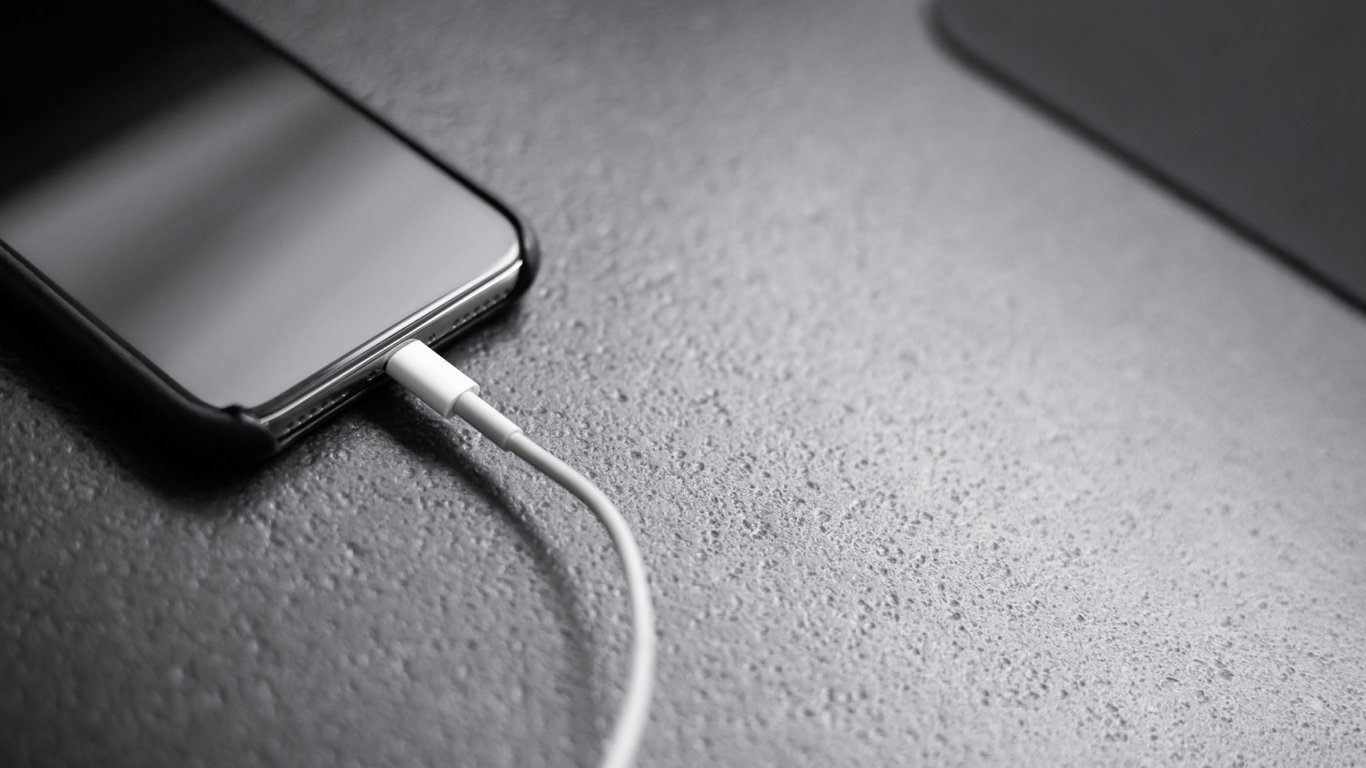
According to Novyny.live: Advancements in smartphone charging are rendering the old advice to keep a battery between 20% and 80% largely outdated. The primary factors that degrade batteries have shifted, thanks to new charging technologies and smarter power management controllers that now handle battery health more effectively. For many users, this means less daily micromanagement of their phone's charge level.
The New Priority: Managing Heat
Today, the temperature at which a phone charges plays a far more critical role in preserving battery lifespan than strict charge limits. Research indicates that consistently charging at temperatures exceeding 40-45 °C can significantly shorten a battery's overall service life. Consequently, effective thermal management during charging has become the most important factor for long-term battery preservation.
- Manufacturers like Xiaomi claim their batteries can retain up to 80% capacity after 800 charging cycles.
- Other companies, such as Oppo, assert that their Battery Health Engine technology enables batteries to withstand up to 1600 charging cycles.
These innovations in fast charging and power control chips signify that older charging guidelines no longer align with modern hardware realities. Contemporary smartphones can be charged more rapidly and intelligently, offering users greater convenience without the same historical cost to battery longevity.
This new era of smartphone charging involves not just technological progress but also a shift in how users interact with their devices. It requires rethinking old habits and adapting to new conditions where the battery itself is more resilient. This evolution in charging technology is poised to influence consumer behavior and the broader smartphone market, potentially reducing battery anxiety and improving the overall user experience by making devices more reliable over time.
Read also
- Antique Musket Balls Repurposed Into Solar Cells with 94% Efficiency
- South Korea Patents a Silent Engine for Air Taxis
- 144 FPS at 4K: A Gamer Pairs an RTX 3090 and RTX 3050 for Stunning Performance
- Snapdragon 8 Elite Gen 5: Qualcomm’s New Chip Targets Sub-$600 Smartphones
- Samsung Unveils Three New Odyssey Gaming Monitors: Specs and Features Revealed
- Plastic Waste Converted into Jet Fuel: New Breakthrough by Chinese Researchers