Sea Level Rise Poses Greater Threat Than Previously Estimated, Endangering Billions.

The Escalating Threat of Rising Seas
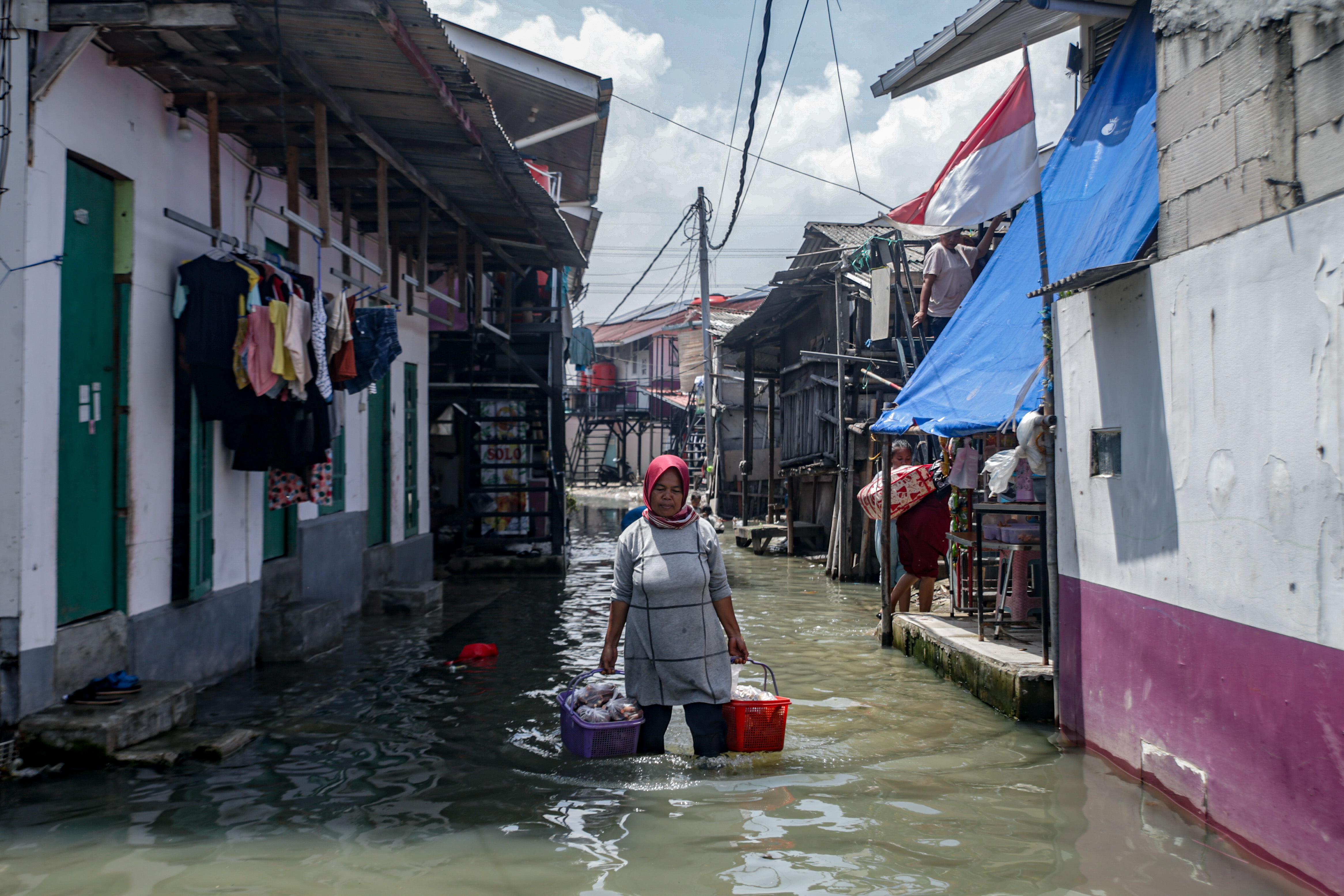
According to Vox - Загальний: The impact of sea level rise on coastal communities is an increasingly urgent global crisis. Over one in ten people worldwide reside within three miles of a coastline, and 40% of the global population lives within an hour's drive of the ocean. This immense coastal settlement means rising seas threaten a significant portion of humanity. The economic stakes are enormous, as coastal counties in the United States alone generate one-third of the nation's GDP, highlighting the financial vulnerability at risk.
Underestimated Projections and Future Risks
Global mean sea level has already risen by approximately 9 inches since 1880. Current projections indicate it could rise by another 9 inches by 2100, with some scenarios exceeding 3 feet. Such increases would dramatically escalate risks to populations and infrastructure. A new analysis of 385 scientific papers published between 2009 and 2025 reveals a critical flaw: past ocean height estimates have, on average, been about one foot lower than the true values. This scientific understanding is crucial for accurate risk assessment and planning.
This systematic underestimation suggests many people are unaware of their current vulnerability and the scale of future danger. Oceanographers have long known that geoids—models of Earth's gravity used to measure sea level—are only approximations. The findings underscore an urgent need for more precise data to evaluate the true risks of ocean encroachment. Consequently, addressing the consequences of sea level rise demands immediate attention and coordinated action.
Rising seas are a multifaceted challenge with profound environmental, economic, and social dimensions. It is imperative that coastal communities receive current information and resources to prepare for potential impacts. Given the vast number of people living near oceans, developing effective adaptation and risk mitigation strategies is of paramount importance. Tackling this issue will require sustained international cooperation and investment in scientific research to reduce population vulnerability and preserve the economic stability of coastal regions worldwide.
Read also
- Civilian Casualties in Ukraine Hit Record Highs, UN Reports: A Closer Look at the Shift
- Fare rates for transportation in Kyiv have tripled: how the war is changing the transportation reality
- No Rental Security for Displaced People: Landlords Can Change Terms at Any Time
- Veterans in Zaporizhzhia Get a New Gym: Inside Ukraine’s Effort to Support Its Defenders
- Andrii Kroka Takes Command of the 155th Brigade: What We Know About the New Leader
- Europe Scorches Under 50°C Heat: Excess Deaths Reported Across All 27 EU Nations