Fuel Prices Set for Another Sharp Rise by Week's End, Experts Warn.

Fuel Costs Climb Across Europe and Ukraine
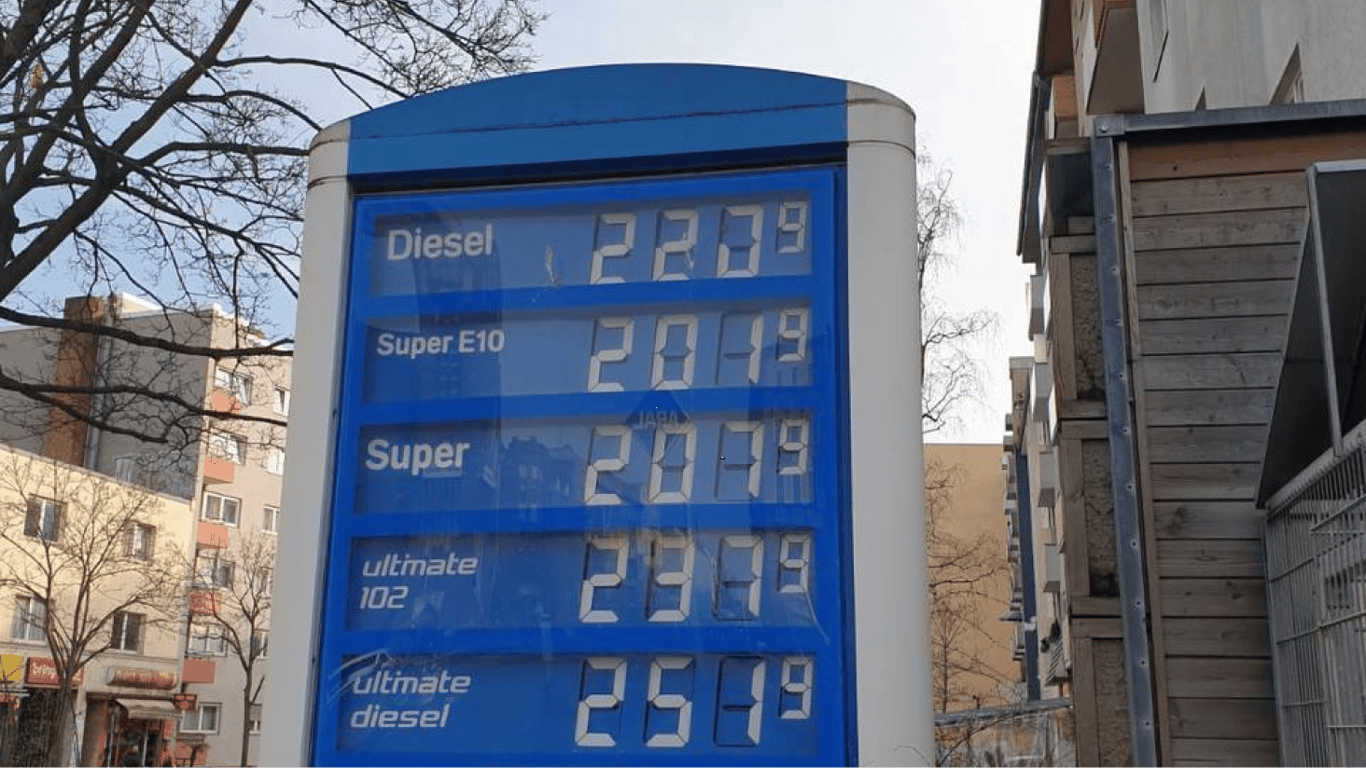
According to Novyny.live: Recent weeks have seen a significant increase in fuel prices across Europe and in Ukraine. In Germany, a liter of diesel now costs around €2.25 (≈UAH 113), while E10 gasoline sells for approximately €2.01 (≈UAH 101), and Super for €2.10 (≈UAH 106). Premium fuel grades in the country can reach as high as €2.36–€2.39 per liter (≈UAH 119–120). This surge is part of a broader inflationary trend affecting energy costs continent-wide.
Prices have also risen sharply in Poland, where diesel has become about 50 eurocents (≈UAH 25) more expensive per liter, and gasoline has increased by roughly 40 eurocents (≈UAH 20).
Outlook for Ukraine
As of March 9, the price for a liter of 95-octane gasoline in Ukraine starts from UAH 65.25, with diesel starting from UAH 67.25. Serhiy Kuyun, Director of the Consulting Group 'A-95', forecasts a new spike in fuel prices before the week is out, stating that:
“a new jump in fuel prices could occur by the end of this week” - Serhiy Kuyun
In response to the market movements, Danylo Hetmantsev has warned filling stations of potential fines for price hikes, arguing that:
“the synchronous 10-15% price increase at Ukrainian gas stations lacks objective economic justification” - Danylo Hetmantsev
Consequently, the fuel market situation in Ukraine remains tense, with consumers bracing for further price increases. The volatility is particularly impactful in a nation still grappling with the economic effects of ongoing conflict.
The rise in fuel costs across Europe and Ukraine can be linked to several concurrent factors, including:
- Global fluctuations on oil markets
- Ongoing economic repercussions from the pandemic
- Prevailing geopolitical factors
Issues with fuel supply chains and rising demand are also contributing to the price pressure. In Ukraine, the situation is further complicated by the perceived lack of clear economic reasons for the uniform price increases, raising concerns among both consumers and state authorities. Further shifts in the fuel market are likely to impact the national economy and the welfare of its citizens.
Read also
- Ukrainian Flour Exports to the EU Surge 119-Fold: What Drove the Growth
- Russia’s Weekly Revenue Losses Top $1 Billion After Ukrainian Drone Strikes on Maritime Routes
- 50% Tariffs Imposed by Trump on Canadian Goods: Automobiles, Alcohol, and Dairy Hit Hard
- Cotton Shortage Hits NATO Gunpowder Supply: Europe Rushes to Scale Up Production
- Ukraine Receives $690 Million IMF Tranche: Total Aid Reaches $2.2 Billion
- Ukraine Gets $2.2 Billion IMF Nod, But a Key Reform Delay Holds Up the Payout