The Hidden Downsides of Premium OLED Monitors.

The Hidden Downsides of Premium OLED Monitors
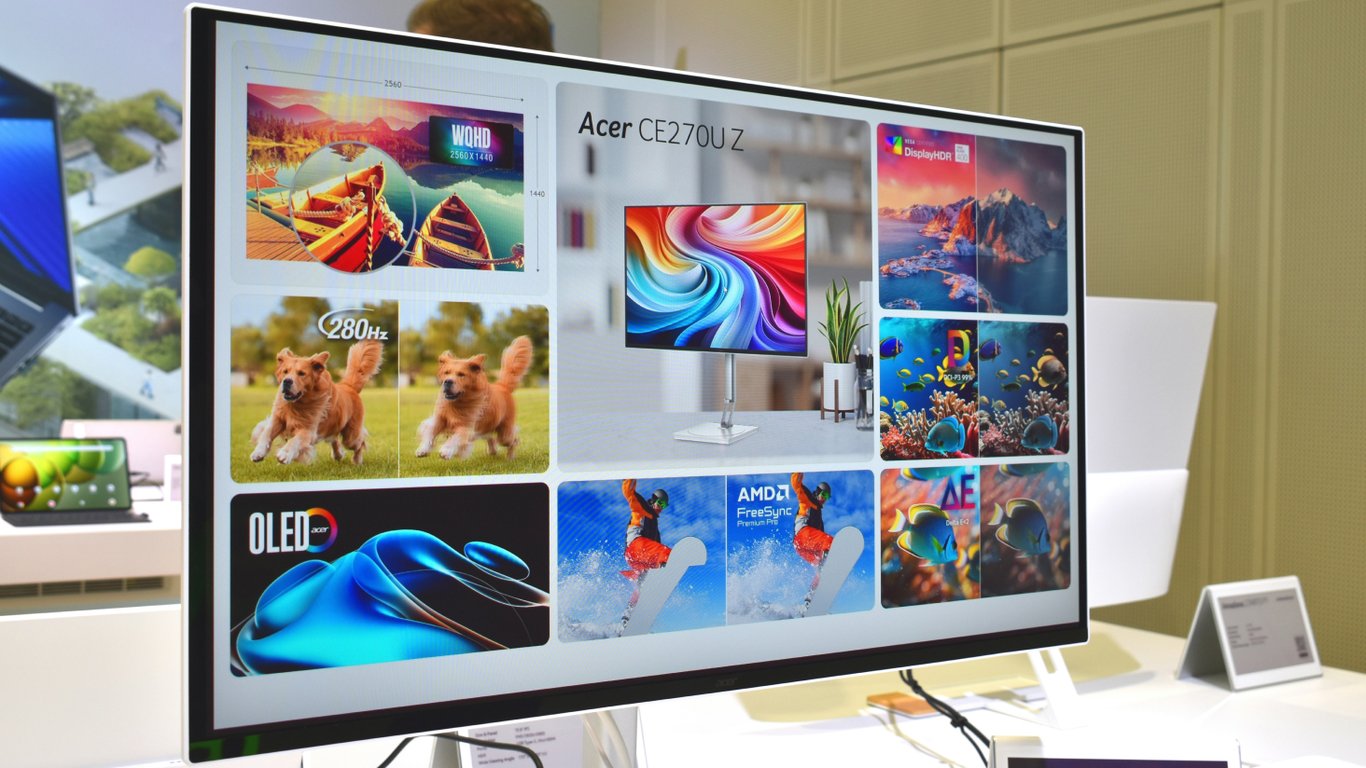
According to Novyny.live: While OLED is celebrated as a cutting-edge display technology, it comes with significant drawbacks that potential buyers should consider. For users planning to keep a monitor for many years, the gradual degradation of OLED panels as they emit light is a key concern. The high initial cost of OLED monitors, which far exceeds that of IPS or VA alternatives, also makes them less accessible to the average consumer, especially for those performing standard computing tasks. This premium technology is often marketed for its visual prowess, but its practical limitations are substantial.
Key Flaws in OLED Technology
OLED monitors feature an Automatic Brightness Limiter (ABL) that dims large bright areas, which can negatively impact image quality in well-lit environments. Furthermore, some panels can exhibit color 'halos' or a slight 'fringing' around text, resulting in a reading experience that is often inferior to that of traditional LCD displays. These issues highlight a gap between the technology's promise and its everyday performance.
To mitigate the permanent risk of pixel burn-in, users are advised to adjust their habits. Recommended practices include:
- Reducing the amount of time static images are displayed on-screen;
- Carefully managing brightness settings.
The threat of permanent burn-in remains a serious risk for OLED monitor owners. Consequently, while OLED offers stunning image quality, its inherent flaws can significantly affect the user experience, particularly for those unwilling to invest in this costly technology and manage its quirks.
Given these limitations, consumers should carefully evaluate their needs before choosing a monitor. Although OLED can deliver superior picture quality, its constraints may prove inconvenient for users who prioritize long-term stability and durability. It's also worth noting that the monitor market is dynamic, with competing technologies like IPS and VA continually improving, offering compelling performance at more accessible price points.
Read also
- Antique Musket Balls Repurposed Into Solar Cells with 94% Efficiency
- South Korea Patents a Silent Engine for Air Taxis
- 144 FPS at 4K: A Gamer Pairs an RTX 3090 and RTX 3050 for Stunning Performance
- Snapdragon 8 Elite Gen 5: Qualcomm’s New Chip Targets Sub-$600 Smartphones
- Samsung Unveils Three New Odyssey Gaming Monitors: Specs and Features Revealed
- Plastic Waste Converted into Jet Fuel: New Breakthrough by Chinese Researchers