Flat vs. Inline Engines: Which One Suits Your Vehicle Best?.

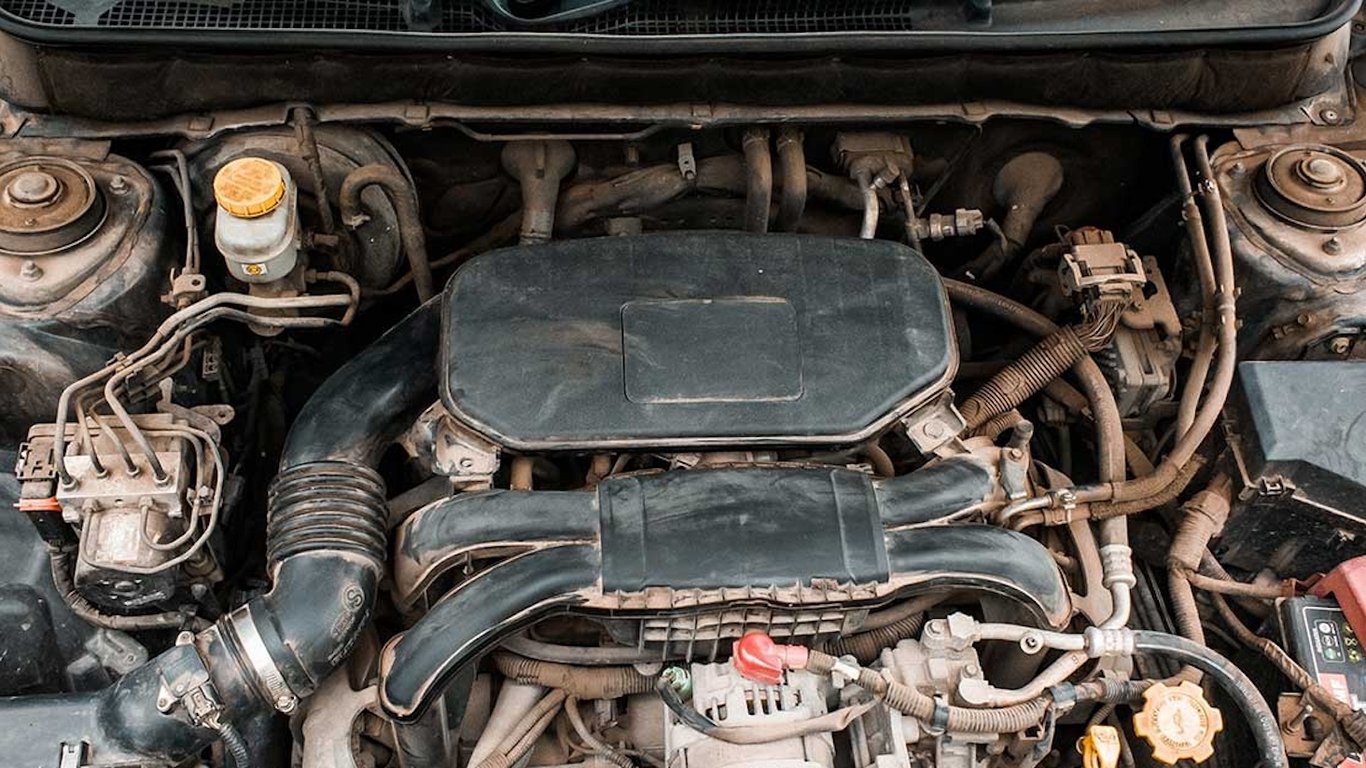
Engine Types in Automotive Engineering
According to Novyny.live: Within the field of automotive engineering, various engine designs exist, each with distinct construction and performance traits. Among them, inline and flat (boxer) engines stand out due to their unique advantages and drawbacks, which directly influence a vehicle's behavior and maintenance needs.
Technical Specifications of Engines
These two engine types differ significantly in their technical layout. Flat engines feature cylinders arranged horizontally at a 180-degree angle, which allows opposing pistons to cancel out vibrations, resulting in smoother operation. In contrast, an inline engine places all cylinders in a single row. This simpler design reduces manufacturing complexity and lowers production costs.
The key benefit of boxer (flat) engines is their ability to minimize vibrations, enhancing comfort for both driver and passengers. Despite this advantage, inline engines are generally easier to service. Their simpler construction makes repairs and part replacements more straightforward, and replacement components tend to be less expensive, offering a more budget-friendly option for car owners.
Ultimately, deciding between an inline and a flat engine depends on multiple factors, including vehicle requirements, maintenance budget, and personal driver preferences. Each type comes with its own set of strengths and weaknesses, making them suitable for different automotive applications.
Choosing between inline and flat engines is a critical aspect of automotive engineering, as it affects not only performance but also long-term ownership costs. A clear understanding of the technical characteristics of both engine types helps consumers make informed decisions based on their needs and financial constraints. As technology advances, new innovations may reduce the limitations of each design, potentially shifting their popularity in the market.
Read also
- CATL unveils electric truck battery that charges in just 7 minutes
- Chinese Robot Claims Second Consecutive World Title in Humanoid Football Championship
- Samsung Launches Mass Production of PCIe 6.0 SSDs with Read Speeds Reaching 28.4 GB/s
- Smart Glasses Camera Disabled When Indicator Is Damaged: Meta’s New Privacy Update Explained
- NVIDIA Confirms Rigel Core for Rosa Processors: What to Expect from the Upcoming Lineup
- Intel’s 14A2 Process with Dual-Side Power Delivery: How It Could Reshape the Chip Market