NATO-Russia Founding Act Becomes Void: Implications for Ukraine.

NATO-Russia Founding Act Becomes Void: Implications for Ukraine
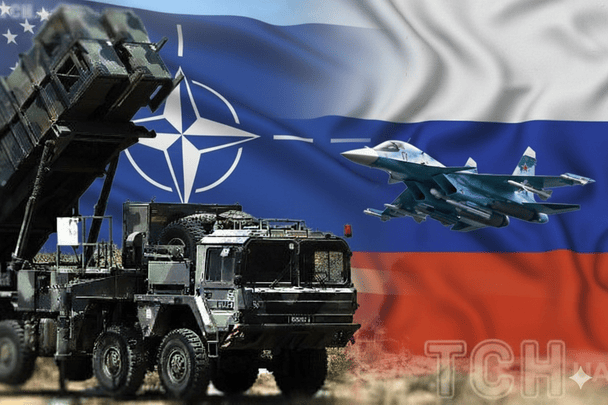
According to TSN.ua: NATO members are no longer bound by the NATO-Russia Founding Act due to Russia's systematic violations, beginning in 2014. The agreement, which aimed to foster cooperation and trust between NATO and Russia, became obsolete following the start of Russian aggression against Ukraine. After Russia's full-scale invasion in 2022, the document is considered 'completely dead.' This development marks a formal end to a key post-Cold War security framework.
Since Russia's initial aggression in 2014, the Founding Act had already ceased to function. As experts note,
"the NATO-Russia Founding Act says little about this, but given that Russia has violated all other provisions of this document, it has been practically dead since 2014 and completely lifeless since 2022,"stated Steven Siedeman. This indicates that meaningful dialogue between Russia and NATO countries has become impossible.
Internal Consequences for NATO
The fallout from the act's invalidity has also impacted the Alliance's internal politics. For instance, Germany has hesitated over establishing permanent military bases in the Baltic states, highlighting a lack of unified approach within NATO. NATO Secretary General Mark Rutte acknowledged there is no consensus within the Alliance regarding Ukraine's membership. This creates additional challenges for Ukrainian security and integration into Euro-Atlantic structures, underscoring ongoing debates about the Alliance's future posture.
Therefore, the voiding of the NATO-Russia Founding Act signifies a fundamental shift in relations between Russia and NATO, as well as new challenges for Ukraine regarding security and political stability in the region. Amid rising tensions between Russia and NATO countries, Ukraine must seek new formats of cooperation and support from the international community to ensure its defense capabilities and resilience. This also emphasizes the importance of internal consolidation and unity among Western partners on matters of security and defense.
Read also
- Rutte Praises Trump for Reviving Talks with Putin – What It Signals for Ukraine
- Zelensky Heads to Brussels for Key Ramstein Defense Meeting on June 18
- Zelenskyy to Attend Ramstein Meeting on June 18: Key Topics on the Agenda
- NATO Chief Rutte Sets Timeline as US and Allies Ramp Up Arms Purchases for Ukraine
- Strengthening Ukraine's Air Defense: Zelenskyy and NATO Chief Rutte Hold Talks in Brussels
- EU Set to Impose Sanctions on Chinese Firms Aiding Russia