Pakistan Declares Open War on Afghanistan, Striking Kabul and Kandahar.

Declaration of War
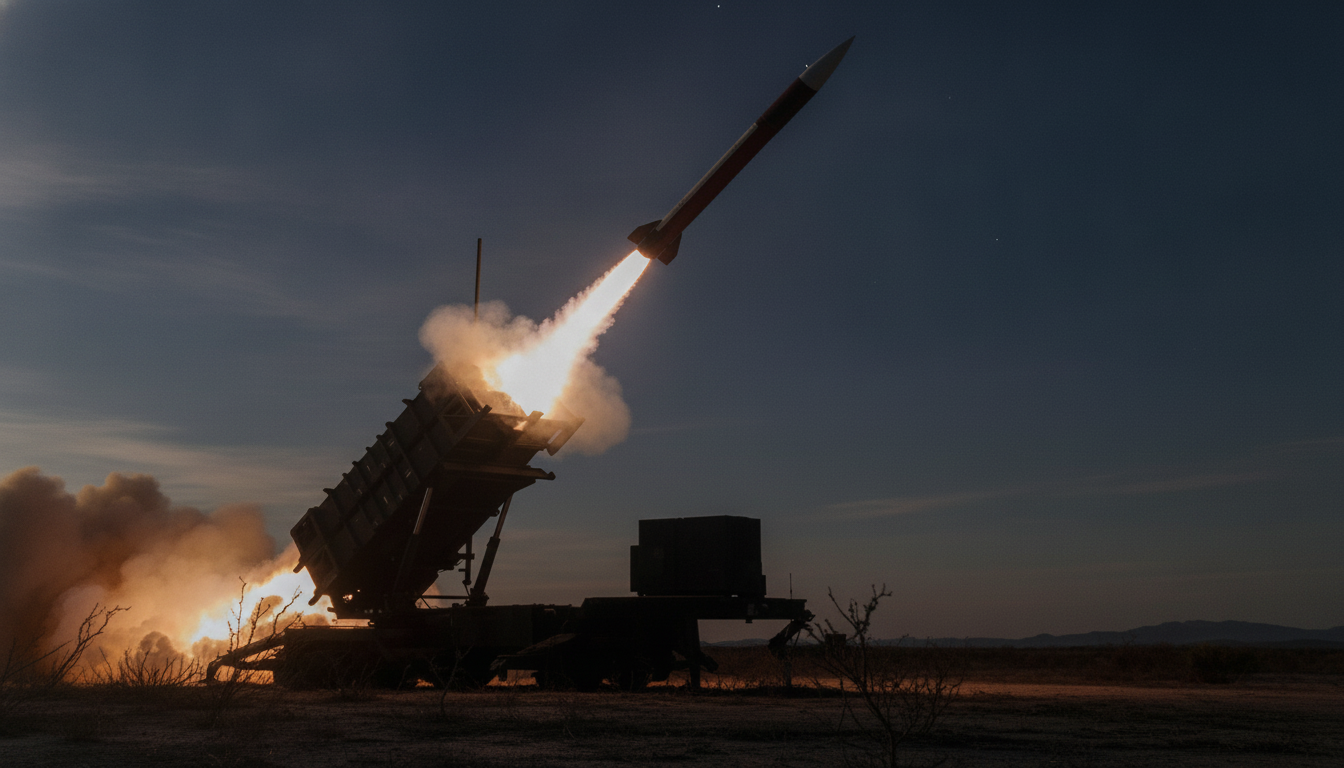
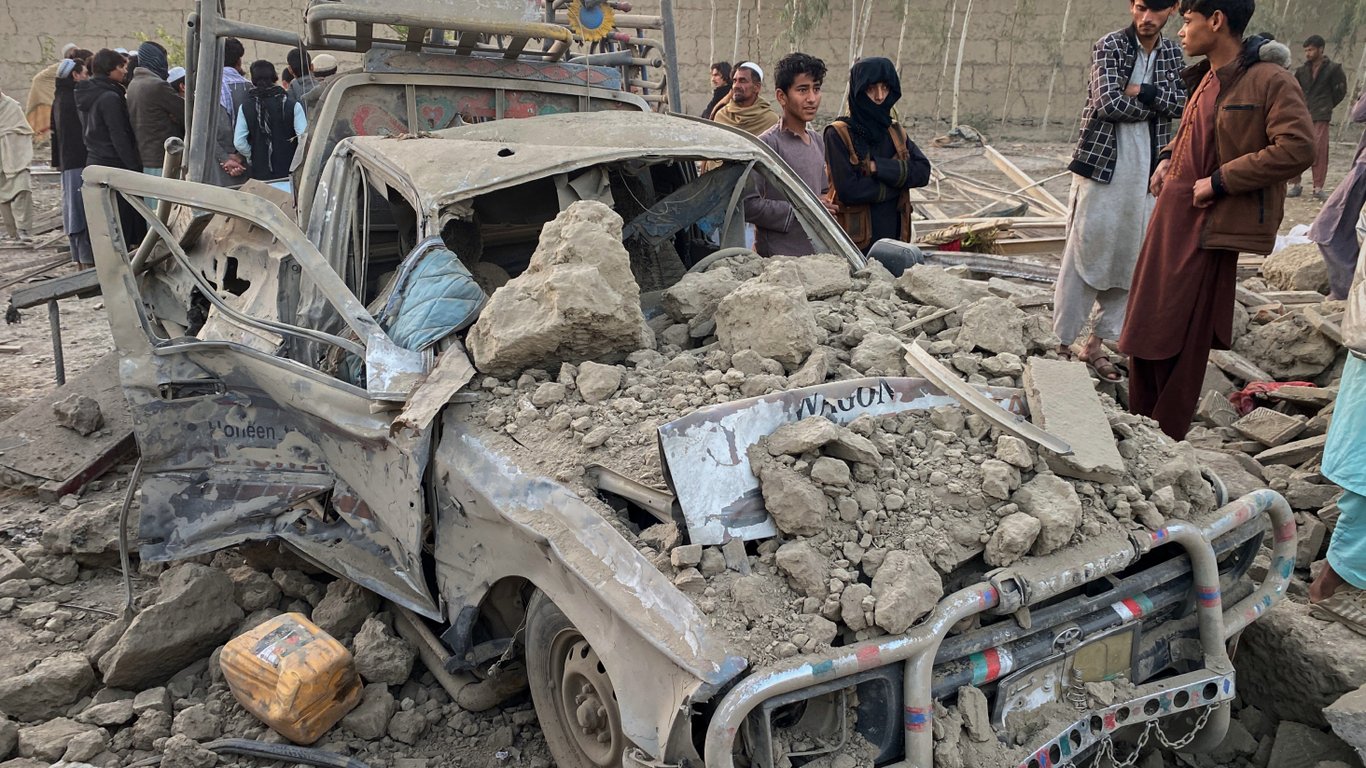
According to Novyny.live: On February 27, 2026, Pakistan's Defense Minister Khawaja Asif declared an 'open war' against Afghanistan, following a series of border clashes. This dramatic escalation stems from the long-running conflict between the two nations, centered on the disputed Durand Line border region. In response, Pakistani military forces conducted airstrikes on what they described as Taliban targets within Afghanistan.
These airstrikes reportedly killed over 130 militants and wounded more than 200 others. The attacks focused on Taliban ammunition depots and military installations in cities including Kabul, Kandahar, and Paktia. This outbreak of hostilities shatters a ceasefire that had been in place since October 2025, marking a severe deterioration in relations. This border region has been a persistent flashpoint, with both sides accusing the other of harboring militant groups.
Regional Context
“There is now an open war between us and you... The Pakistani army did not come from across the sea. We are your neighbors, we know all your nuances.” - Khawaja Asif
This statement underscores the gravity of the situation and Pakistan's readiness for direct military action in response to perceived threats from the Taliban.
The regional situation remains highly volatile. Notably, in September 2025, internet access was restricted across Afghanistan, a move seen as part of the Taliban's effort to control information flow. Furthermore, in 2024, Russian President Vladimir Putin signed a law that could pave the way for removing the Taliban from Russia's list of terrorist organizations, a decision with potential geopolitical ramifications for Central and South Asia.
Pakistan's declaration of open war signals a major intensification of the military conflict, with significant implications for regional security extending beyond the two immediate adversaries. The resumption of fighting after a period of truce highlights the deep-seated instability and complexity of the situation. The response from the international community and key regional powers will be crucial in shaping the conflict's trajectory and the stability of South Asia.
Read also
- Kremlin Eyes Fresh Mobilization Drive: Up to 500,000 Troops Could Be Deployed to the Front
- Putin’s Economic Claims Exposed as Manipulation by Ukraine’s Disinformation Center
- Putin Abandons Plans to Return Occupied Lands to Ukraine: What We Know About the So-Called 'Buffer Zones'
- Russia Planning a New Fall Mobilization: When Recruits Could Reach the Front Lines
- Feigin Reveals Putin's Litmus Test: When Mobilization Plans Will Become Clear
- Putin Now Acknowledges Ukraine's Strength, Says Former Polish Defense Minister, Marking a Turning Point in the War