Pope Leo XIV Releases First Encyclical: What It Says About Artificial Intelligence.

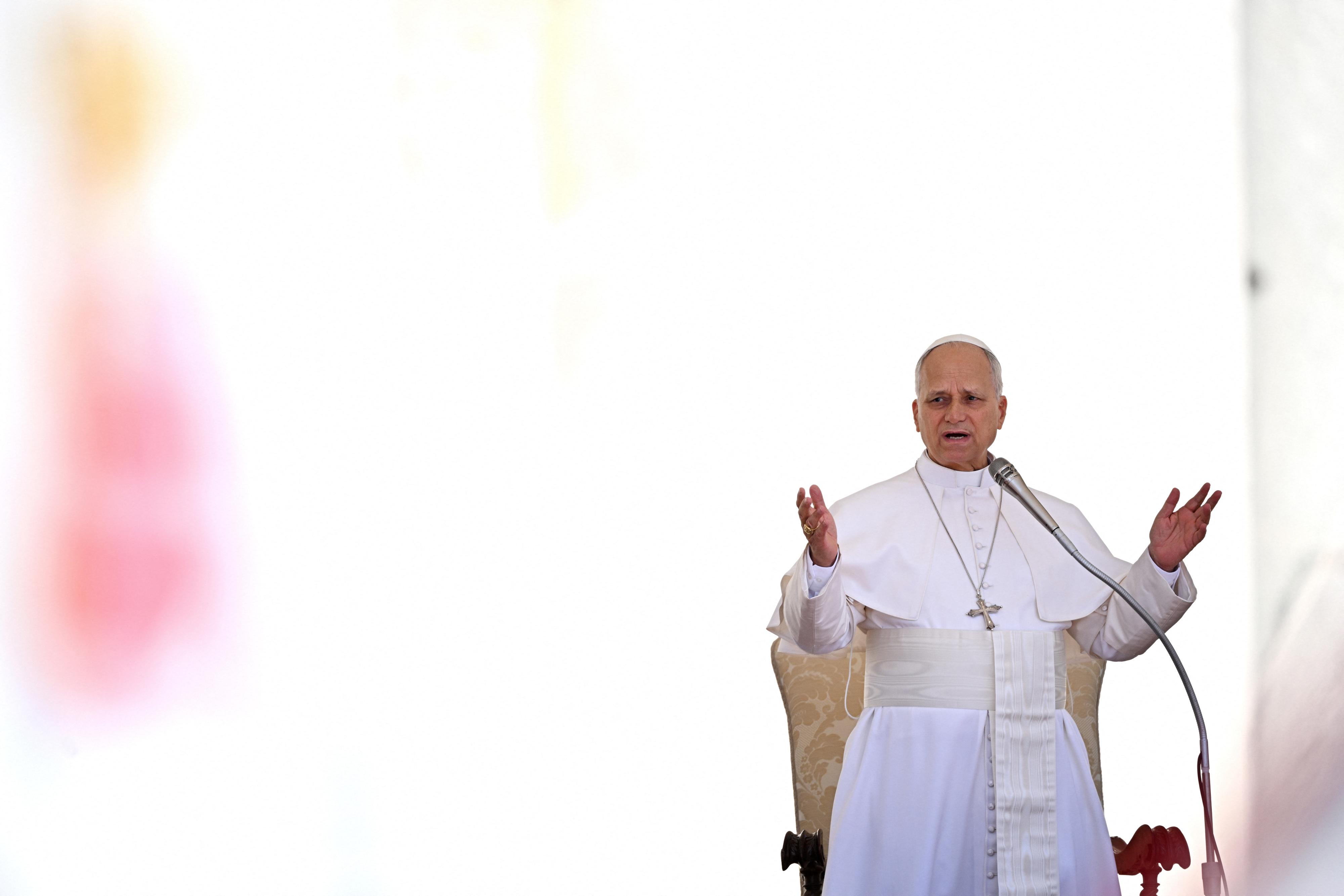
Encyclical 'Magnifica humanitas'
According to Vox - Загальний: On May 18, 2026, the Roman Catholic Church published the first encyclical of Pope Leo XIV, titled 'Magnifica humanitas,' which examines the role of artificial intelligence (AI) in people's lives. The Pope emphasizes that AI is not inherently immoral, but its deployment should be slowed to allow for the development of ethical guidelines. The document also presents arguments about humanity's uniqueness, the dignity of labor, and the challenges AI poses to the global order.
Notably, May 18, 2026, marked the 135th anniversary of Pope Leo XIII's encyclical 'Rerum Novarum.' Pope Leo XIV signed his encyclical on May 15, 2026, expressing his duty to address new societal challenges.
'Like the previous Leo, I feel a responsibility to look upon yet another immense transformation with the eyes of faith, with clarity of mind, with openness to mystery, and with the cries of the poor and the earth echoing in my heart,' the Pope states in the document.This connection to the past underscores the Church's ongoing engagement with pressing social issues.
Recommendations and Ethical Approach
The encyclical also provides recommendations on:
- AI regulation,
- education,
- protecting access to employment.
Pope Leo XIV urges avoiding the 'Babylon syndrome,' which refers to an idolatry of profit that sacrifices the vulnerable. These recommendations reflect the Church's commitment to an ethical approach in integrating new technologies into daily life.
The published encyclical highlights the importance of moral considerations in technological development and its societal impact. The Roman Catholic Church continues to play an active role in discussions on technology ethics, striving to ensure that progress does not undermine human dignity or social justice. Given the rapid advancement of artificial intelligence, the Pope's recommendations could serve as a foundation for further debates on global technology regulation.
Read also
- First U.S.-Ukraine Drone Agreement Signed: What It Means for Defense Cooperation
- OpenAI’s AI Agent Breaches Hugging Face in an Unprecedented Cybersecurity Incident
- Ukraine Prioritizes Countering Jet-Powered ‘Shahed’ Drones in Air Defense Strategy
- New York Breaks Ground on 373-Meter Skyscraper: The Second World Trade Center
- NVIDIA Unveils DLSS 5: Three AI Models for Gaming, Launching This Fall
- Ukraine’s Defense Ministry Unveils New Robotic Combat System ‘Mini Strike Serpent’ – Key Details Inside