Abu Dhabi Talks: How Russia Uses the Donbas Issue as a Stalling Tactic.

Russia's Negotiating Strategy in Abu Dhabi: Stalling Over Donbas
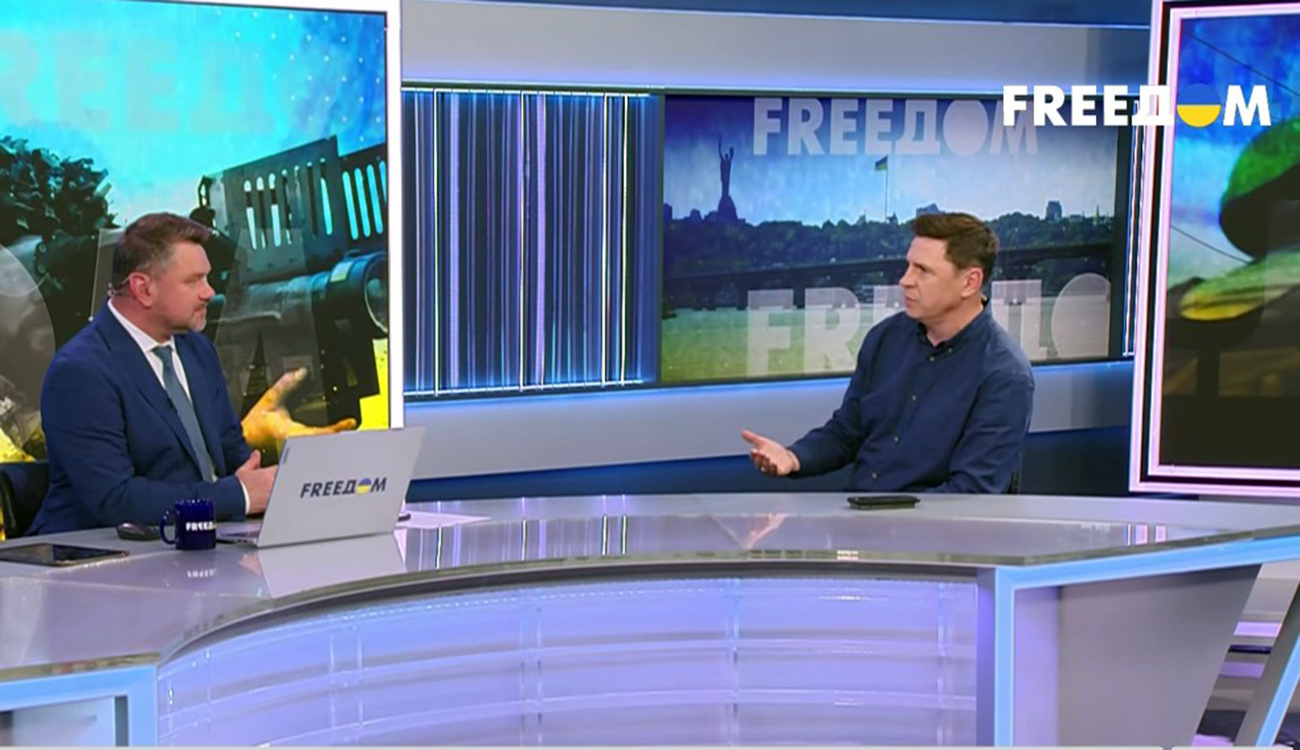
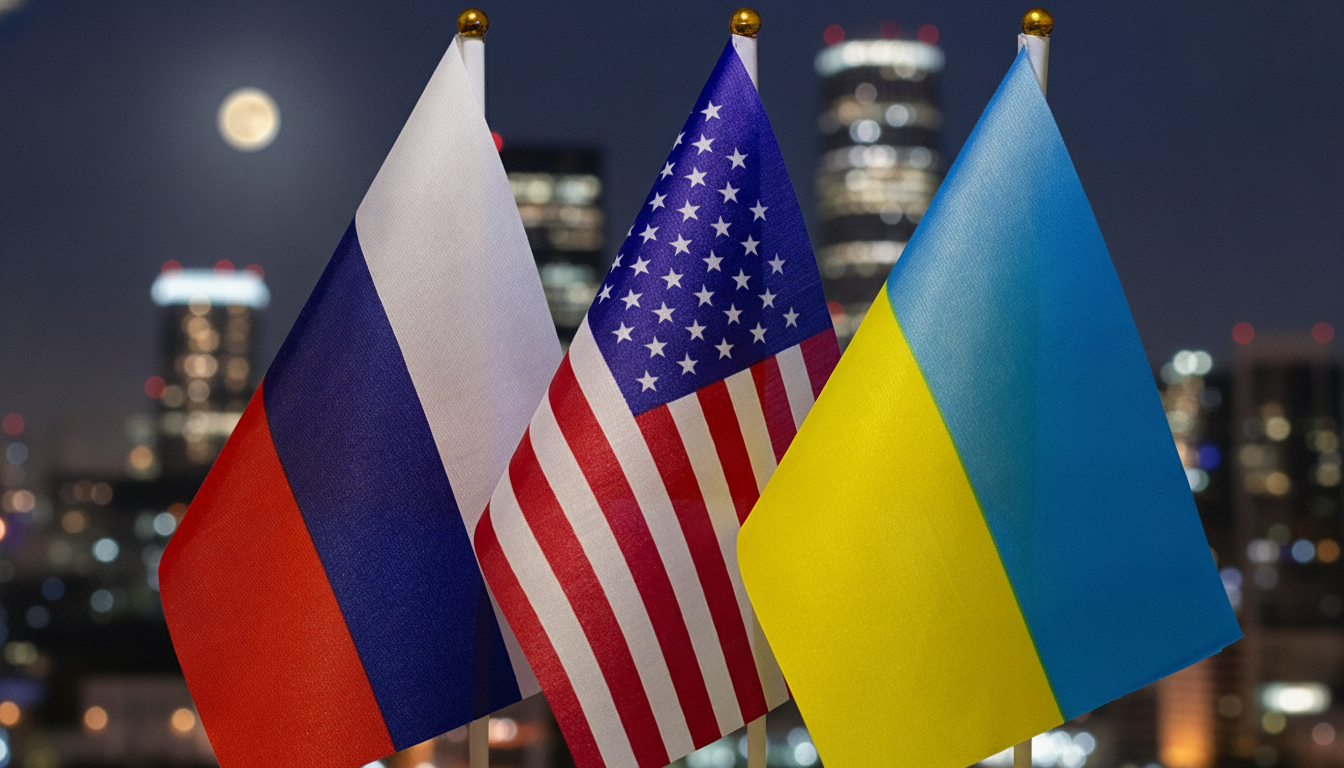
According to TSN.ua: Expert analysis suggests Russia may be using the ongoing talks in Abu Dhabi to buy time, with no genuine intent to make humanitarian concessions. According to analyst Stanislav Zhelikhovsky, the Kremlin's approach highlights the extreme difficulty of negotiating territorial issues, with the status of the Donbas region being the most contentious point. These talks are part of a long series of diplomatic efforts that have so far yielded little progress toward peace.
The Kremlin's demand for a withdrawal of Ukrainian Armed Forces from the Donbas is described as 'absolute nonsense.' Zhelikhovsky notes that the issue of Donbas and other territories serves as a tool for Putin to deliberately prolong the negotiation process.
“This could be one big, continuous simulation of a negotiation process on Moscow's part,” stated Stanislav Zhelikhovsky.
Meanwhile, Germany's Defense Minister Boris Pistorius has pointed out that Russia continues its campaign of mass strikes against Ukraine's civilian energy infrastructure. This indicates that the Kremlin is pursuing military aggression in parallel with diplomacy, further complicating Ukraine's position. While Germany is supplying IRIS-T air defense systems, its ability to transfer Patriot systems is limited due to the depletion of the Bundeswehr's own stocks.
The expert further warns that
“Russia will get off scot-free. Washington may not be able to punish Moscow for effectively derailing the talks with its maximalist demands.”This creates a potential trap for the United States, which may lack clear mechanisms to respond to the Kremlin's actions during negotiations. Overall, the situation remains tense, and Russia's next moves could significantly influence the course of events in the region.
Humanitarian Crisis and the International Response
The Abu Dhabi negotiations underscore not only the complexity of diplomatic relations between Russia and Ukraine but also the broader regional tension. Russia's ongoing military aggression continues to severely impact the humanitarian situation in Ukraine, threatening both peace initiatives and European stability. In this context, the reaction of the international community, particularly the United States and Europe, to the Kremlin's actions will be crucial in determining the future trajectory of the conflict.
Read also
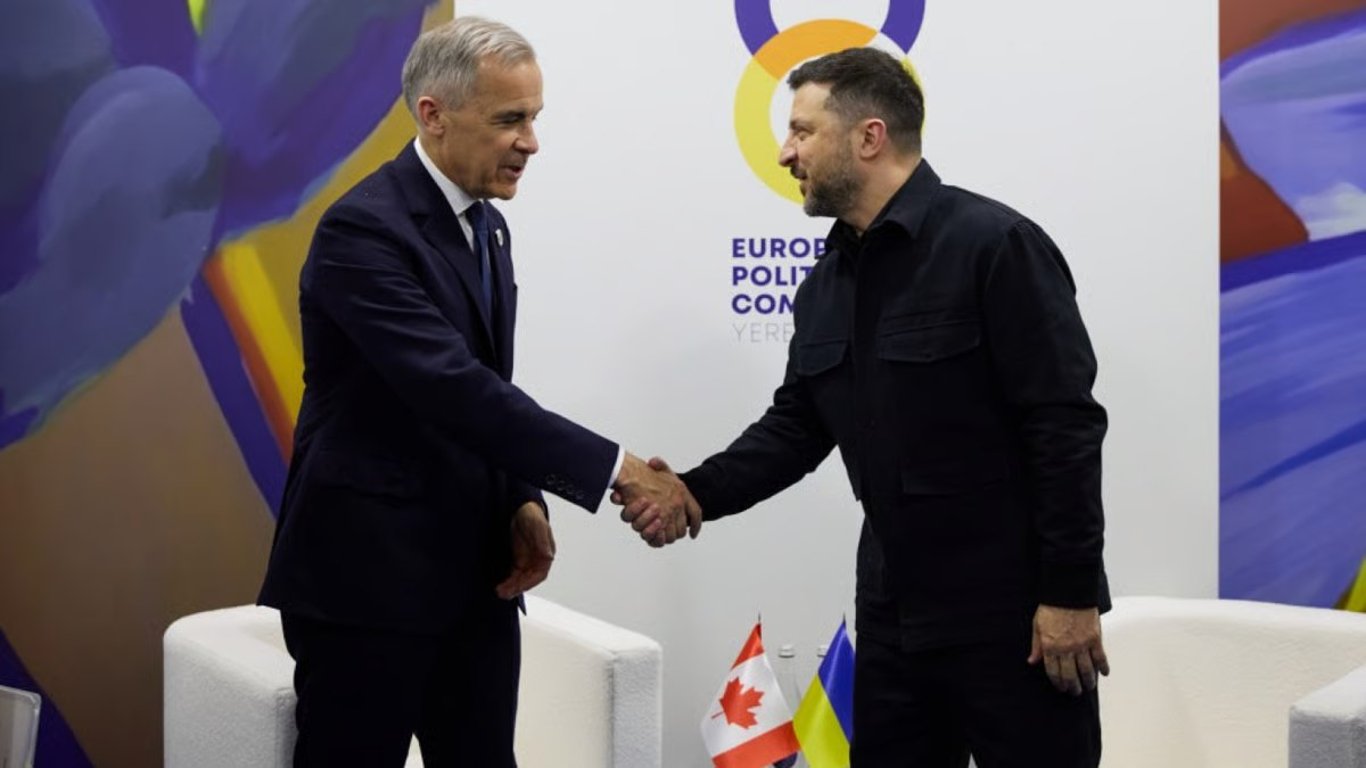
- Canada’s Carney Signals a Shift in Trump’s Stance on Ukraine: What the New Aid Package Could Look Like
- G7 Leaders Agree to Boost Ukraine’s Air Defenses and Transfer Missile Production Licenses
- Trump Shifts Attention from Iran to Ukraine: What Lies Ahead for Kyiv After the Deal
- Belarus Leader Apologizes to Zelenskyy and Admits Vulnerability to Ukraine: What’s Behind the Shift?
- Ukraine's Prosecutor General Announces Special Investigation into Yanukovych and 16 Former Officials
- NATO Pushes for 5% GDP Defense Spending by 2035: What It Means for Ukraine