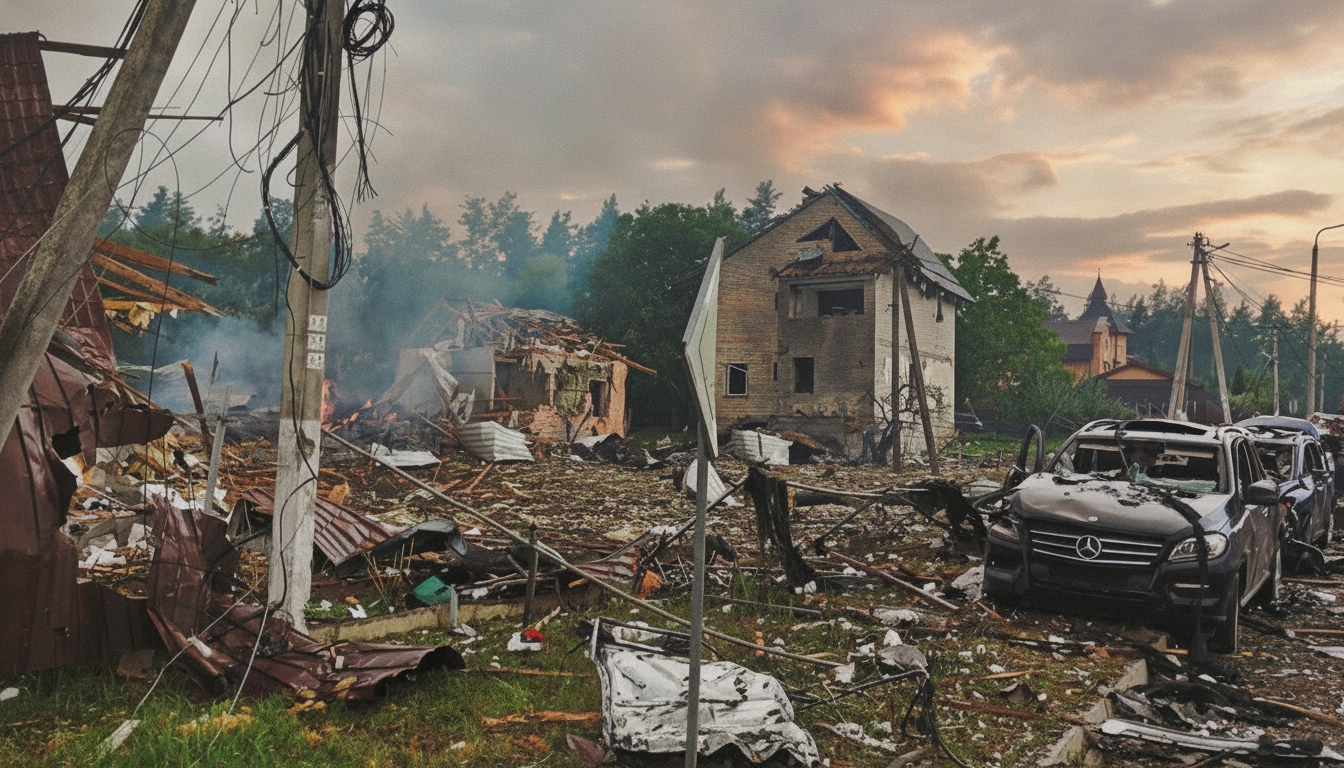
Ecosystem Devastation in Ukraine: 200,000 Hectares Lost After Kakhovka Dam Blast, 400 Plant Species Emerge on Reservoir Bed.

The Kakhovka Dam Destruction and Its Fallout
According to Espreso.tv: On June 6, 2023, Russian occupying forces blew up the Kakhovka Hydroelectric Power Plant, triggering a catastrophic environmental disaster. Ivan Moisiienko, a botany professor at Kherson State University, details the vast scale of the damage, noting that over 200,000 hectares of ecosystems were wiped out. He calls this act a
“horrific crime against both people and nature”. For context, this area is roughly the size of a small European country, underscoring the immense ecological toll.
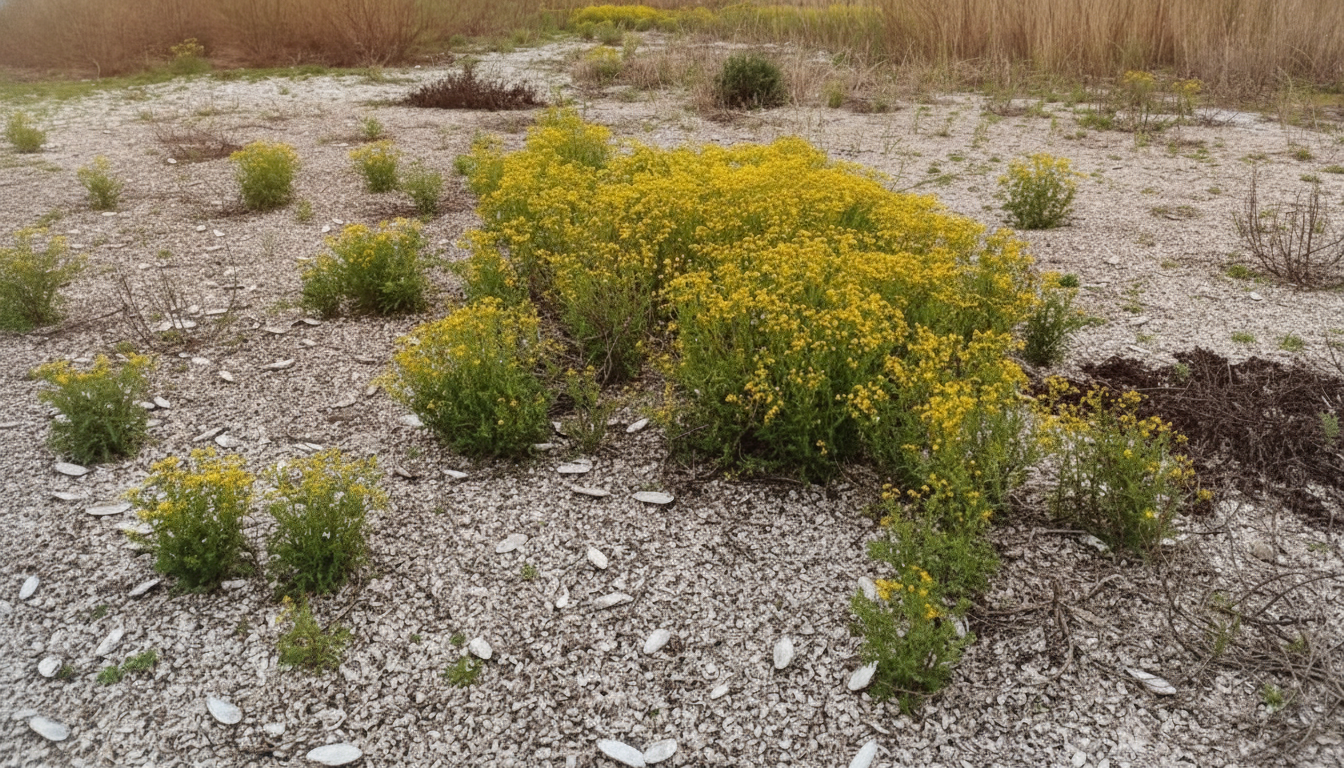
In the drained reservoir bed, roughly 400 plant species are now growing. The dominant vegetation consists of floodplain willow and poplar forests, which are crucial for sustaining biodiversity and ecosystem stability. According to Moisiienko, the hardest-hit area was the left bank, which remains under occupation.
Shifting Ecosystems and Social Repercussions
In 2024 and 2025, a notable increase has been observed in the proportion of plants that rely on animals for seed dispersal. This shift points to ongoing ecological changes triggered by the destructive event, with potential long-term consequences for the region’s environmental health.
The dam explosion wasn't just an ecological crisis—it was also a social catastrophe that disrupted local residents' lives and habitats. Restoring the lost ecosystems will require coordinated efforts from government agencies, environmental groups, and the international community. Possible steps include:
- technical solutions to rehabilitate natural environments;
- programs to support local populations affected by this crime.
Read also
- Ten Killed as Foreign Cargo Ship Sinks in Black Sea After Russian Missile Strike
- A Russian drone-missile strike on Kharkiv with a 'Banderol' weapon has left one woman dead and more than 16 people injured
- Romanian F-16 Shoots Down Drone Over National Airspace: Key Details on the Incident
- Zaporizhzhia Bombing: 30 Wounded, Including Seven Children, After Russian Airstrike
- Two Wounded, Furniture Store Damaged in July 24 Strike on Odesa
- July 24 Missile Strike on Kyiv: 10 Dead and Nearly 100 Wounded