Braided vs. Standard USB Cables: When Paying Extra Actually Makes Sense.

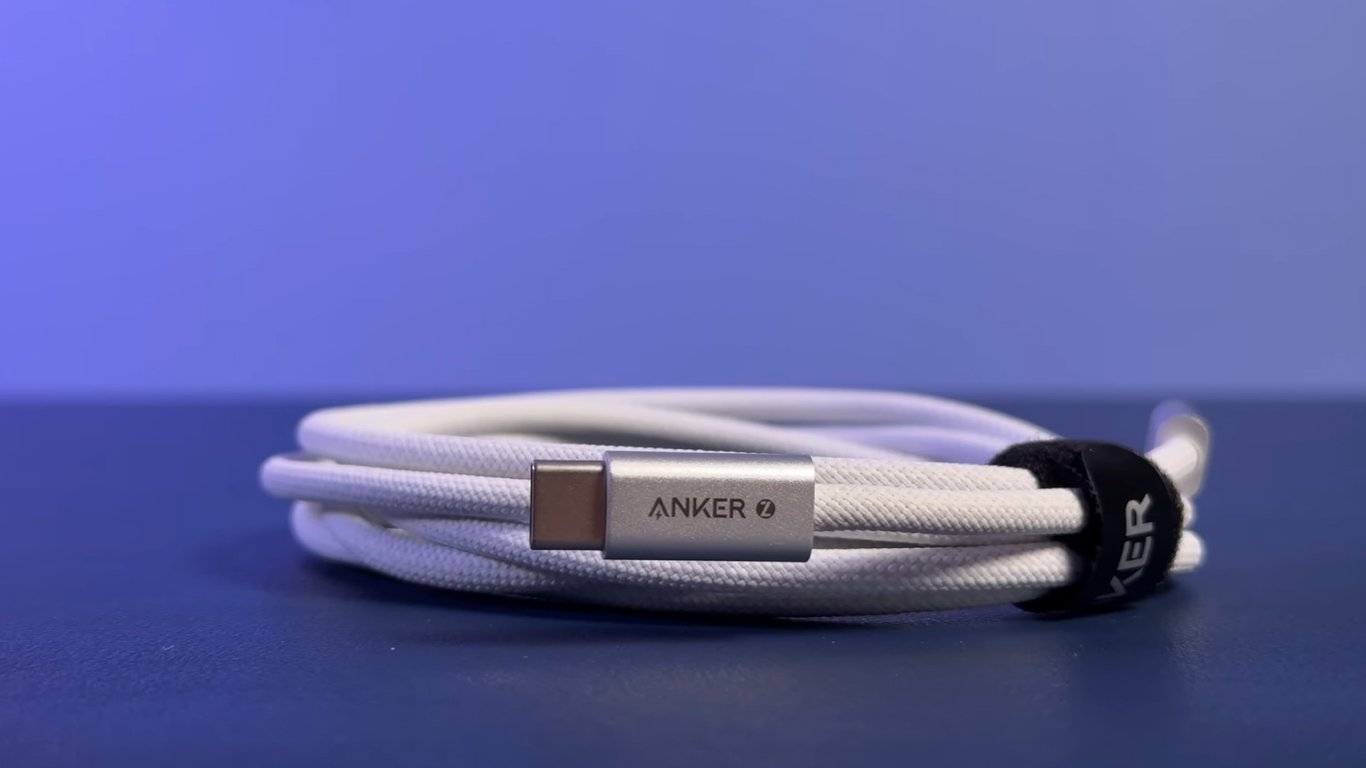
Advantages of Braided USB Cables
According to Novyny.live: Braided USB cables have gained significant traction among users due to their distinct benefits over conventional ones. This article breaks down their strengths and weaknesses, with a focus on real-world usage scenarios.
A key advantage of braided USB cables is their superior resistance to wear and tear. Because they are generally stiffer, they are less prone to twisting and tangling. This makes them ideal for users who frequently move their devices or operate in environments where cables face physical strain. However, it is worth noting that the area near the connector often remains a weak point, where breaks can occur and potentially shorten the cable's lifespan.
When a Standard USB Cable Is the Better Choice
In certain situations, a standard USB cable is perfectly adequate. For instance, if a cable remains permanently connected to a single device, it experiences minimal wear. This makes standard cables a more budget-friendly option for those who do not require enhanced durability.
It is also important to highlight that the braided exterior does not affect the cable’s data transfer speed or charging capacity. Whether you use a braided or standard cable, charging speed depends on the accessories and charging conditions. Therefore, the decision between braided and standard cables should be based on the user's specific needs.
In short, braided USB cables justify their higher cost in situations where they are subjected to physical stress. Conversely, a standard cable can serve perfectly well in static setups where it stays plugged into one device. Choosing between these two types should come down to how and where the cable will be used.
The growing popularity of braided USB cables reflects rising demands for portability and reliability in charging accessories. Given today’s on-the-go lifestyle, the importance of selecting a durable cable that can withstand physical abuse is clear. Still, for stationary use, standard cables remain both effective and economical. Ultimately, users should make an informed choice based on their individual needs and usage conditions.
Read also
- Speed Record Set by Bombardier Global 8000: Los Angeles to Farnborough in Just 8 Hours 46 Minutes
- A New Augmented Reality Platform Lets You Read and Build 3D Comics
- How Artificial Intelligence Is Unlocking Billions in Real Estate Value
- Ukraine’s Air Defense Gets a Boost: New 'Hot Dog' Drone Takes Down Over 300 Targets
- Windows That Generate Power Even at Night: A New Solar Innovation
- GE Aerospace’s Hybrid-Electric Aircraft Reaches 30,000 Feet in Key Test Flight