Taxes for Refugees Abroad: Who Really Has to Pay in Ukraine.


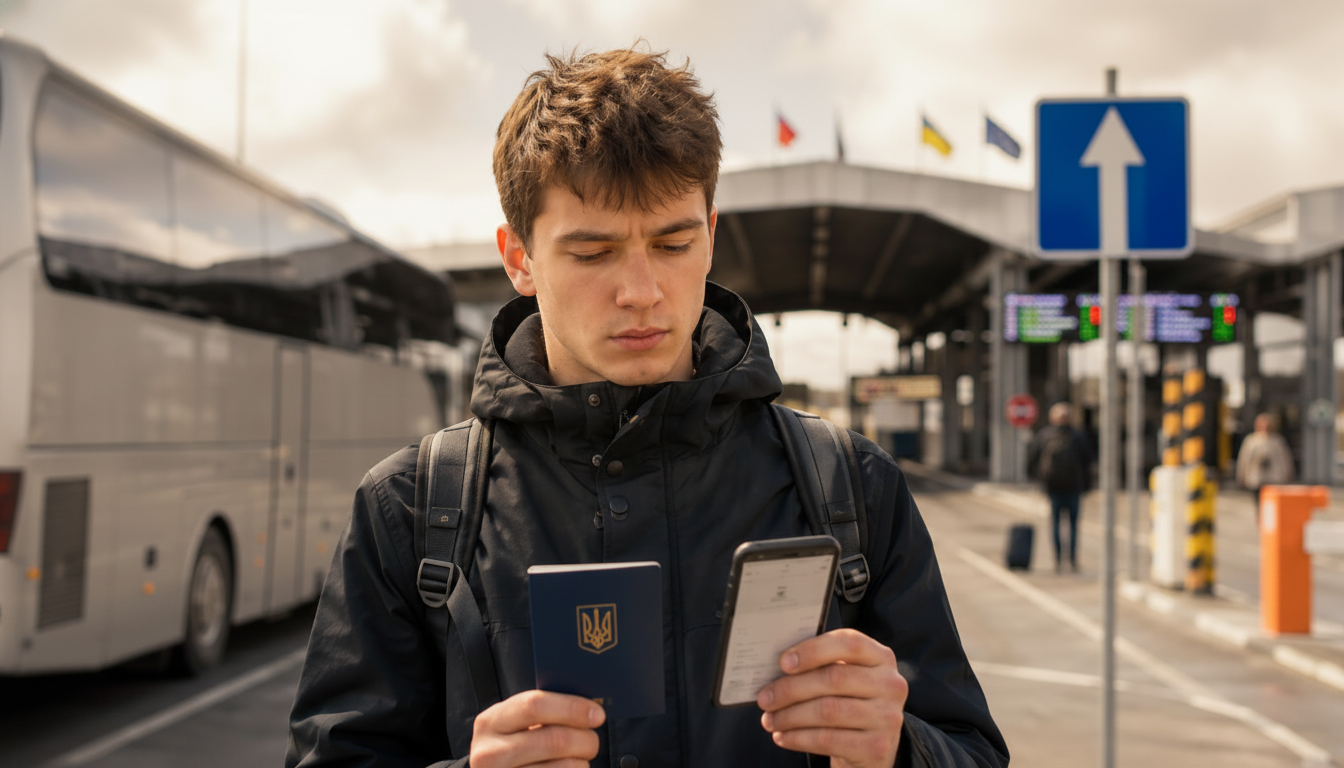
According to ТСН: As a result of Russian aggression, millions of Ukrainian refugees are forced to seek shelter abroad, where they live and work. Currently, society is discussing the issue of taxes, in particular whether Ukrainian refugees must pay taxes in Ukraine on income earned abroad.
Economic experts emphasize the importance of complying with existing legislation.
Avoidance of Double Taxation
"Ukraine has signed an agreement with EU countries to prevent double taxation. Therefore, if a Ukrainian works in Poland or Germany and pays taxes there, they do not need to pay them in Ukraine. This is the global practice. An exception is the USA, which requires its citizens to pay taxes at home in addition to paying them in another country," says TCH.ua
Pavlo Sebastjanovych, a tax expert.
The expert also notes that Ukrainians working abroad are not required to pay taxes in Ukraine on income earned outside the country.
"If taxes have already been paid in the country where citizens are currently residing, they do not need to pay taxes on income. If a person is officially employed in the UK or Germany, they pay tax there, so they do not need to pay anything in Ukraine on income earned abroad," says the expert.
He adds that exceptions may be made for countries where the income tax rate is lower than in Ukraine; however, tax levels are usually higher in Europe. In such cases, the taxpayer must pay the difference in Ukraine.
Remote Work of Entrepreneurs and Employees
At the same time, a significant number of Ukrainians reside in EU countries, working remotely for companies in Ukraine. This raises questions regarding taxation in such situations.
"If a person works as an entrepreneur (individual entrepreneur), is abroad and conducts their business activities in Ukraine, they must pay taxes from this business in Ukraine. All reporting regarding the individual entrepreneur's activities is submitted through the taxpayer's electronic cabinet, and citizens do not need to travel to Ukraine for this. All taxes are calculated remotely for such an entrepreneur. They just need to pay them on time," notes Sebastjanovych.
If a person is working abroad as an employee, for example, in an IT company and resides in Germany while the company's office is in Kyiv or Lviv, then the employer takes care of the tax payments.
"In this case, the taxes are paid in Ukraine by the company where this employee works, and they receive payment for the remote work done. The company pays all taxes — income tax, social security contributions, and military levy. The employee does not need to worry about paying taxes at all — all of this is handled by their employer," emphasizes Pavlo Sebastjanovych.
Reform Problems and Bureaucratic Walls
The expert also notes that while working in a working group at the Ministry of Finance and the tax committee after the Maidan, he felt that reforms were not a priority.
He cites the example of attempts to implement reforms modeled after Estonia, which has long been a leader in creating comfortable tax systems. The reform proposed implementing a tax on withdrawn capital and simplifying administration for individual entrepreneurs.
"At that time, we could not break through the bureaucratic wall," highlights the expert.
Currently, he states, efforts are being made in Ukraine to eliminate individual entrepreneurs, imposing VAT administration on them, which threatens the simplified tax system.
Sebastjanovych also notes that data on economic freedom and democracy in Ukraine have worsened: "During the Maidan, we were ranked 120th in economic freedom, and now we are at 140th. In the democracy index, we were at the 80th and 70th positions, and now we are at 92."
He also compares the financial policy, arguing that Ukraine ranks among the lowest in business lending, even trailing behind countries in significantly worse economic situations.
Sebastjanovych believes that the conditions created by the National Bank hinder the financing of the industrial sector, noting that money is circulating in deposit certificates and bonds while the real economy remains unfunded.
The situation with the taxation of Ukrainian refugees and those working abroad is complex and requires deeper analysis. The issue of avoiding double taxation and supporting entrepreneurs is critically important for the economic stability of the country. Experts point to the need for reforms in this area to improve business conditions in Ukraine and increase investment levels.
Read also
- Over 5.7 Million Ukrainians Have Fled Abroad, Lubinets Reveals Alarming Statistics
- Hungary Shuts Door on Foreign Workers: New Government Abolishes Fast-Track Visa System
- Hungary Imposes First-Ever Limits on Foreign Worker Hiring, Targeting the Philippines, Georgia, and Armenia
- Easier Path Home for Ukrainians Without Passports: New Policy for Those Born in Occupied Areas
- EU Ministers Weigh Restrictions on Temporary Protection for Ukrainian Men
- EU Extends Temporary Protection for Ukrainians Until 2028: Exceptions Apply