Peace Requires Coercion: Podolyak Explains Why Russia Ignores Global Warnings.

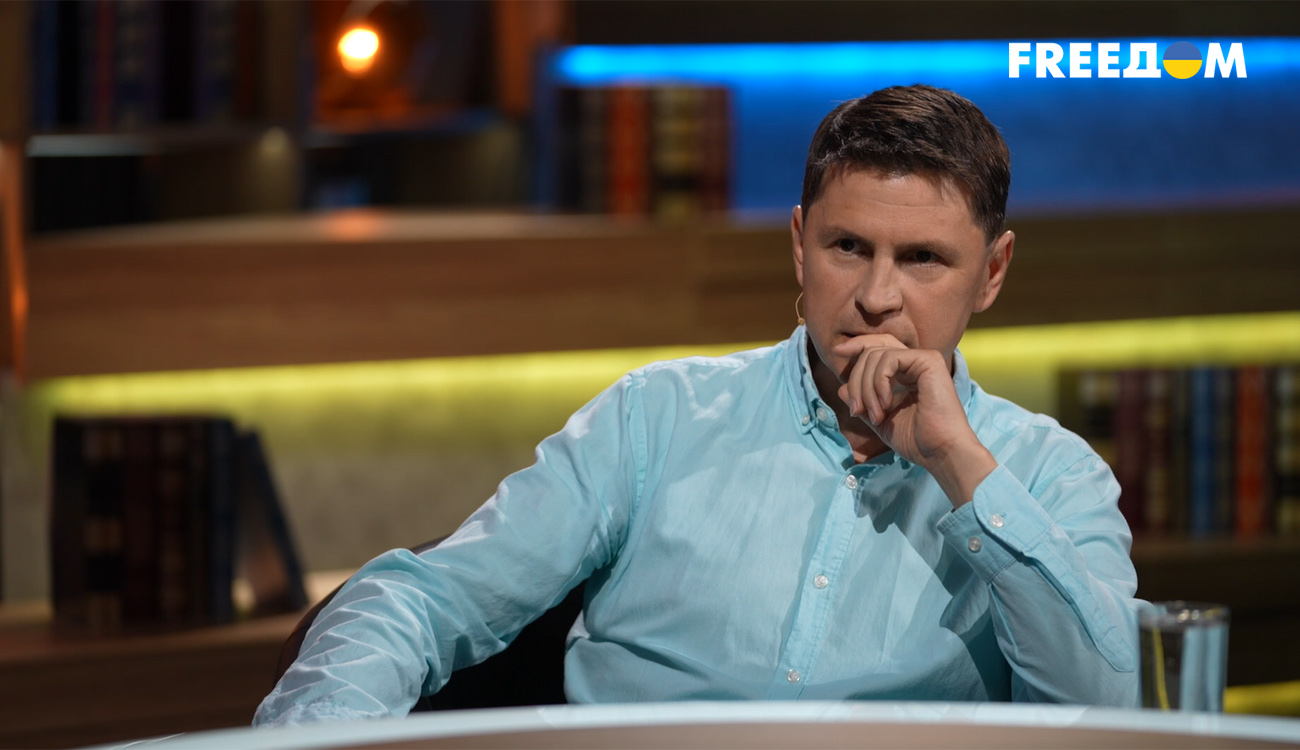
Mykhailo Podolyak's Remarks on Russia
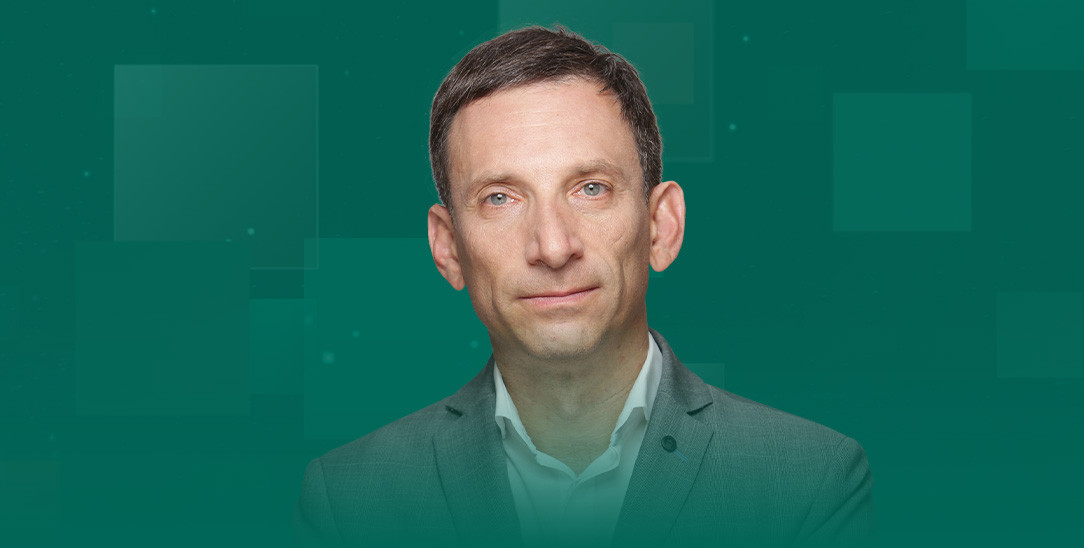
According to UATV: Mykhailo Podolyak, an advisor to the Office of the President of Ukraine, shared his view that Russia fails to grasp the signals sent by other nations, including Europe, the United States, and Ukraine. Speaking on the FREEДОМ television channel, he argued that without external pressure, Russia will not agree to peace, emphasizing that the current situation demands decisive action. This perspective highlights a recurring challenge in international diplomacy: engaging with a state that often dismisses diplomatic overtures.
'Russia's tragedy is that they do not understand the signals the global world is sending them,' Podolyak stated.
His statement underscores the difficulties in communicating with Russia and its apparent inability to recognize international efforts aimed at achieving peace. Podolyak also expressed certainty that 'the illusion that Russia will agree to peace without coercion must fade away.' This indicates that Ukraine and its allies need to consider more forceful measures to influence Russia's behavior.
The Urgency of Firm Action
Podolyak stressed that 'this is the only way to compel Russia to behave adequately,' pointing to the necessity of implementing robust steps to bring about positive change. He added that 'the overwhelming majority of residents of the Russian Federation will never be mature enough for the modern world,' referencing deep-seated societal issues in Russia that complicate regional stability.
Ultimately, Mykhailo Podolyak's stance reflects the pressing and complex nature of international relations amid conflict, while underscoring the importance of resolute action to secure peace. His remarks suggest that Ukraine and its partners continue to seek effective strategies for influencing Russia, believing that without pressure from the global community, the situation may remain stagnant. These comments also align with a broader understanding of international politics, where dialogue often goes hand in hand with sanctions or other forms of coercion to achieve stability in the region.
Read also
- Trump to Receive Late Senator Graham’s Bill on Russian Oil Tariffs
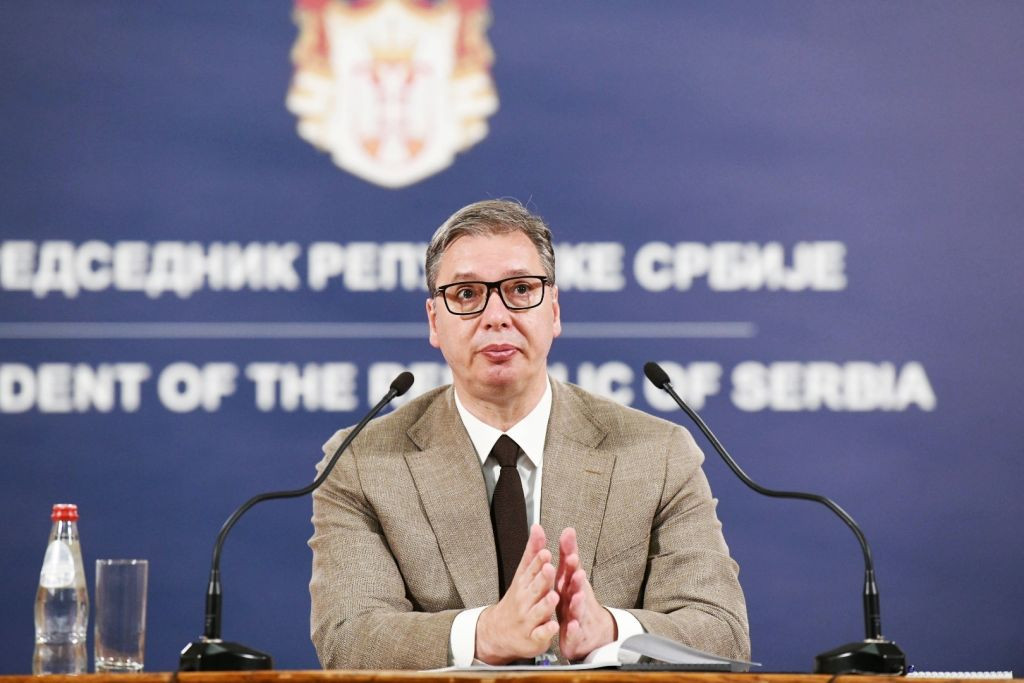
- Serbia Declines to Sign Kyiv Declaration: What Was Decided at the Summit
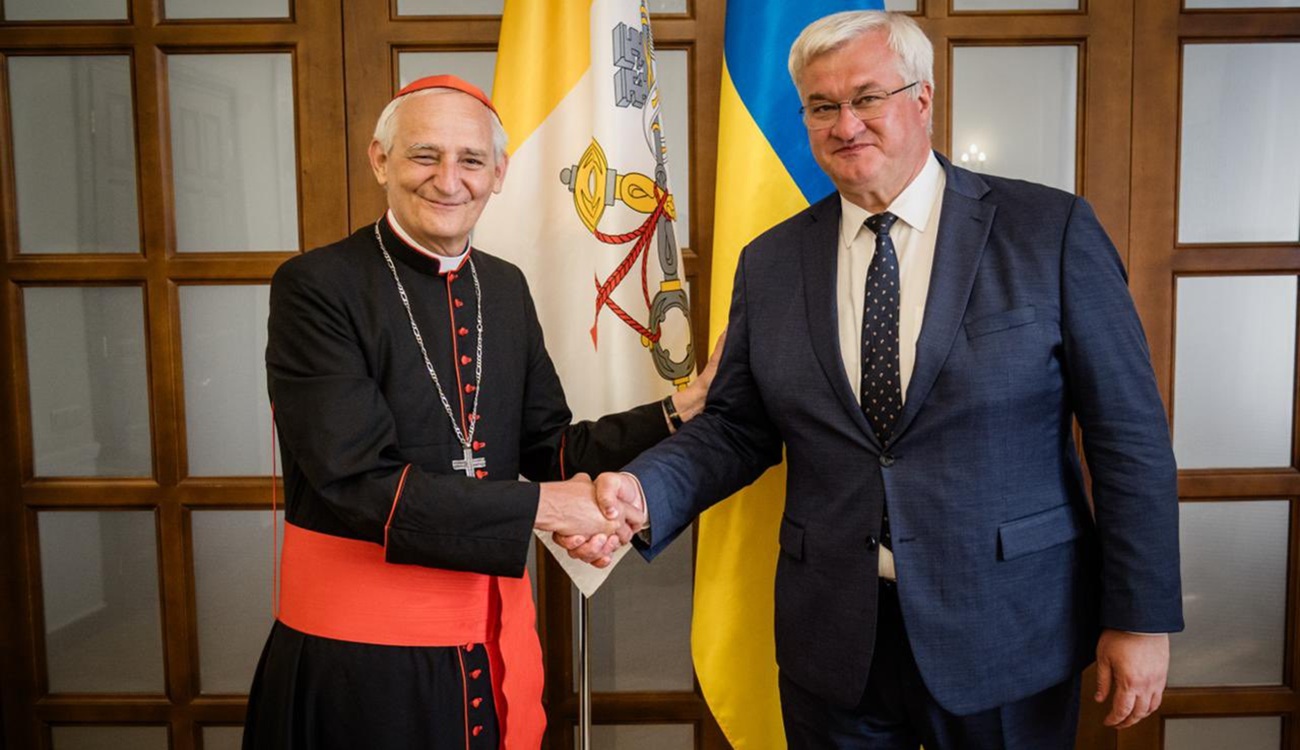
- Pope’s Special Envoy Arrives in Kyiv for High-Level Talks with Ukrainian Foreign Minister
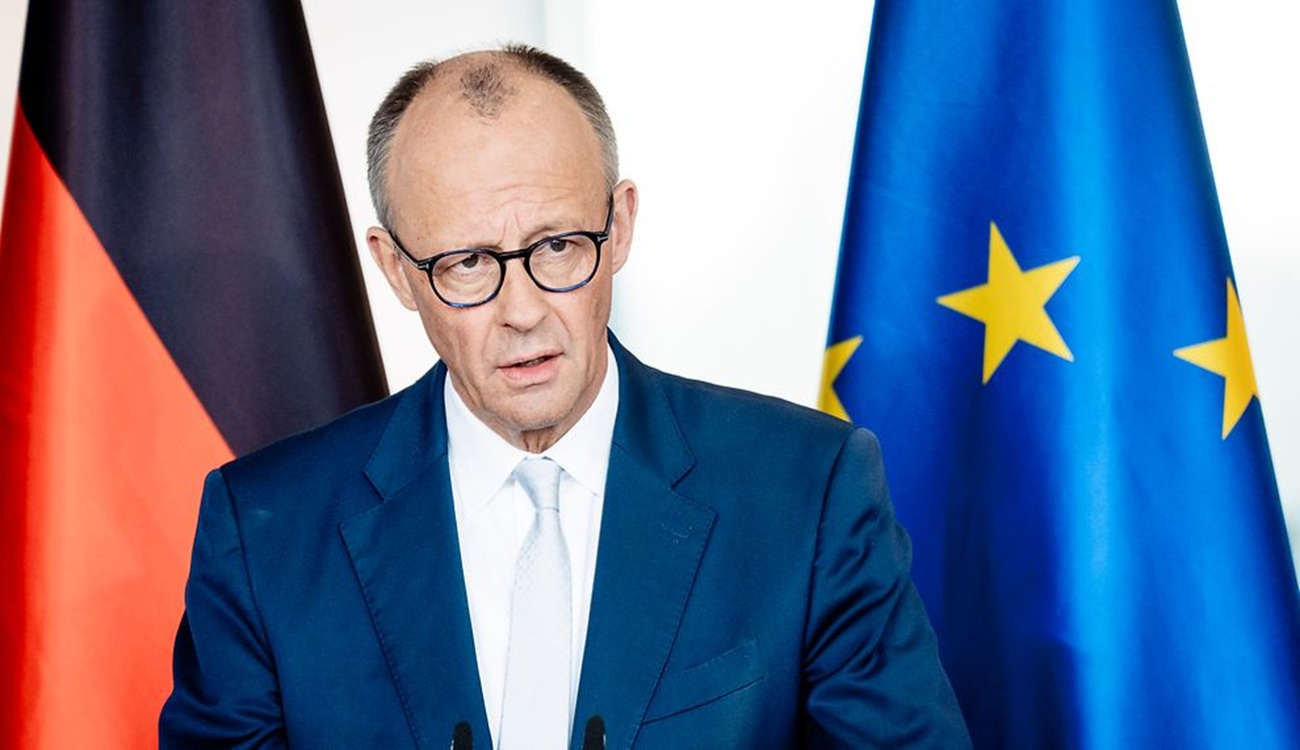
- Germany’s Chancellor Warns Russia Is Preparing Aggression Against the Baltics and Moldova
- In Response to Russian Threats, France and Poland Launch Joint Nuclear Security Initiative
- NATO Allocates $40 Billion for Drone Defense: Ukraine to Play a Central Role