Poland Extends Border Controls for Another Six Months: Key Details to Know.

Security Landscape in Central Europe
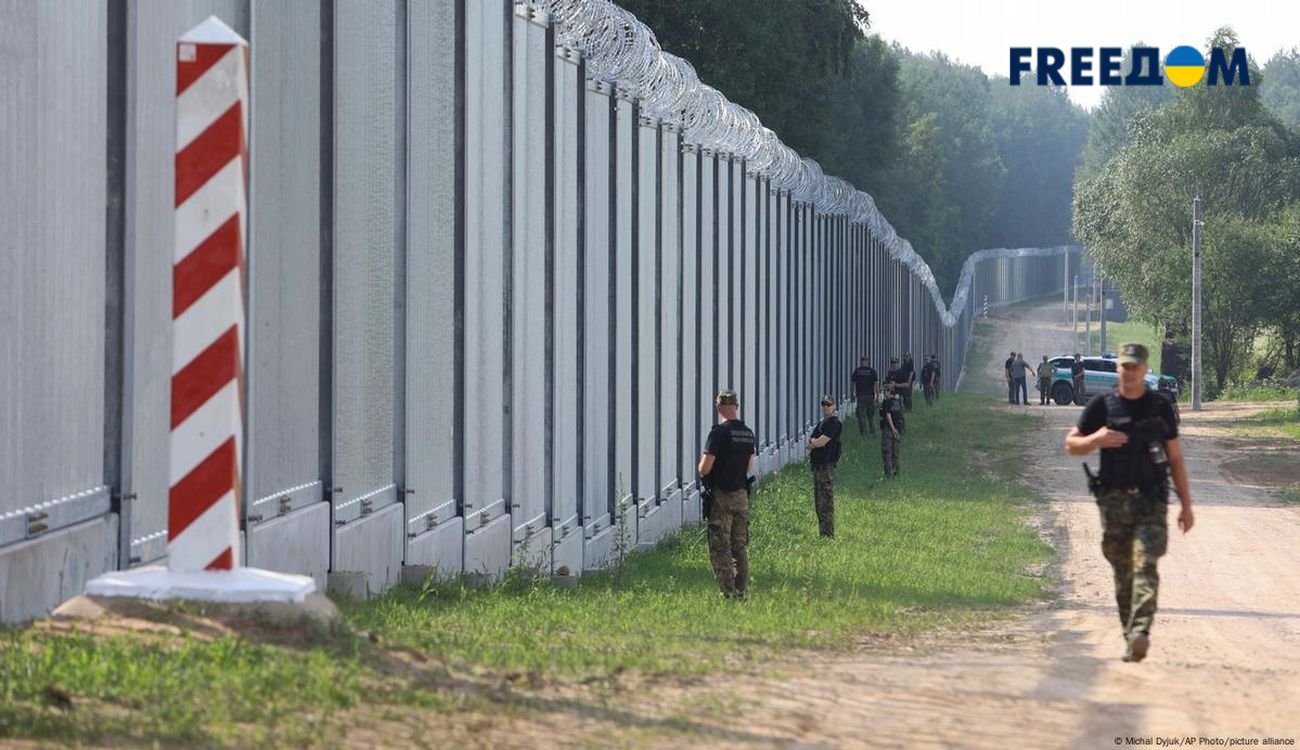
According to UATV: Poland has prolonged border checks along its frontiers with Germany and Lithuania until October 1, signaling sustained security measures amid rising regional tensions. Meanwhile, Czech authorities have detained a fourth suspect linked to the arson attack on a weapons factory that occurred on March 20 in Pardubice. These developments highlight an intensification of law enforcement actions across Central Europe.
New Security Initiatives
Lithuania intends to establish 50 counter-mobility zones to safeguard its borders with Belarus and Russia’s Kaliningrad Oblast, part of a broader security strategy in that area. Tomas Godliauskas remarked:
“Last year saw a very clear consolidation of our defense plans.” - Tomas Godliauskas
This underscores the growing importance of cross-border cooperation in maintaining security.
Estonia is also bolstering its security posture by expanding drone surveillance capabilities. Władysław Kosiniak-Kamysz noted:
“Estonia is a leader in new technologies.” - Władysław Kosiniak-Kamysz
Such advancements could enhance threat monitoring and response times.
Additionally, Norway has announced a €10 billion increase in defense spending by 2036, reflecting a broader regional trend of ramping up military investments. These moves point to a collective effort to strengthen defense capacities in the face of mounting challenges across Europe.
Since the start of 2025, Germany has returned 314 foreign nationals to Poland, while the number of migrants intercepted via Lithuania has tripled compared to last year. This adds another layer to the pressing issues confronting the region and underscores the need for effective border control measures.
Martin Kupka emphasized the necessity of proportional responses to these challenges, stating: 'Our response must match the challenges.' This reflects a shared commitment among nations to ensure security and stability amid modern threats.
Overall, these events illustrate the deepening security concerns of Central European countries, which are likely to intensify further against a backdrop of political and social pressures. Collaborative efforts, enhanced border controls, and defense investments demonstrate a serious approach to maintaining stability in the face of contemporary dangers.
Read also
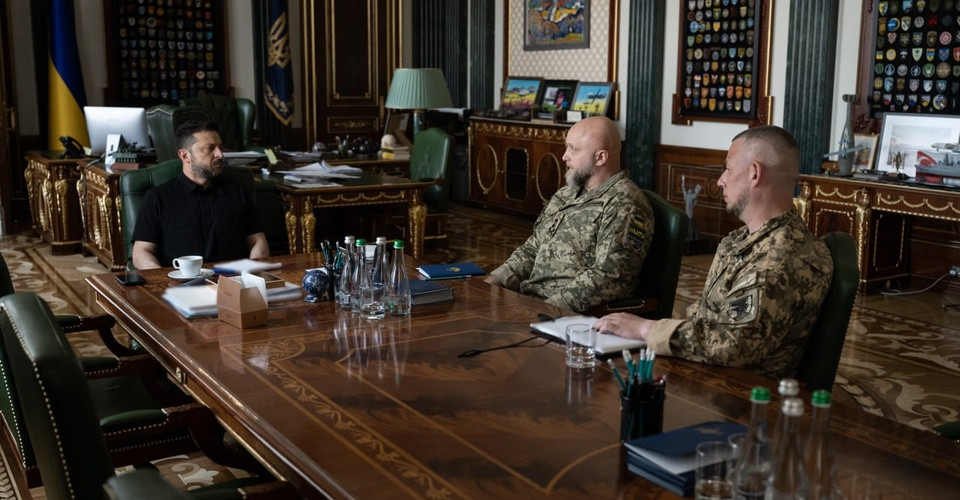
- Emergency Meeting Called by Zelensky: Frontline Priorities and Air Defense Take Center Stage
- Carpathian Conservation at Risk: Can New Legislation Block Wind Farm Construction on Polonyna Runa?
- Ukraine's Acting Foreign Minister Urges Immediate Unblocking of 21st EU Sanctions Package After Strike on Kyiv
- Ukrainian Youth Protest Demands Resignation of Commander-in-Chief Syrskyi
- Ukrainian Defense Minister Fedorov Resigns Amid Kyiv Protests and EU Concern
- Germany Seeks to Exempt Ukraine Aid from Its 'Debt Brake' Rule: What This Proposal Means