Hungarian President Resigns After Signing Constitutional Amendment.

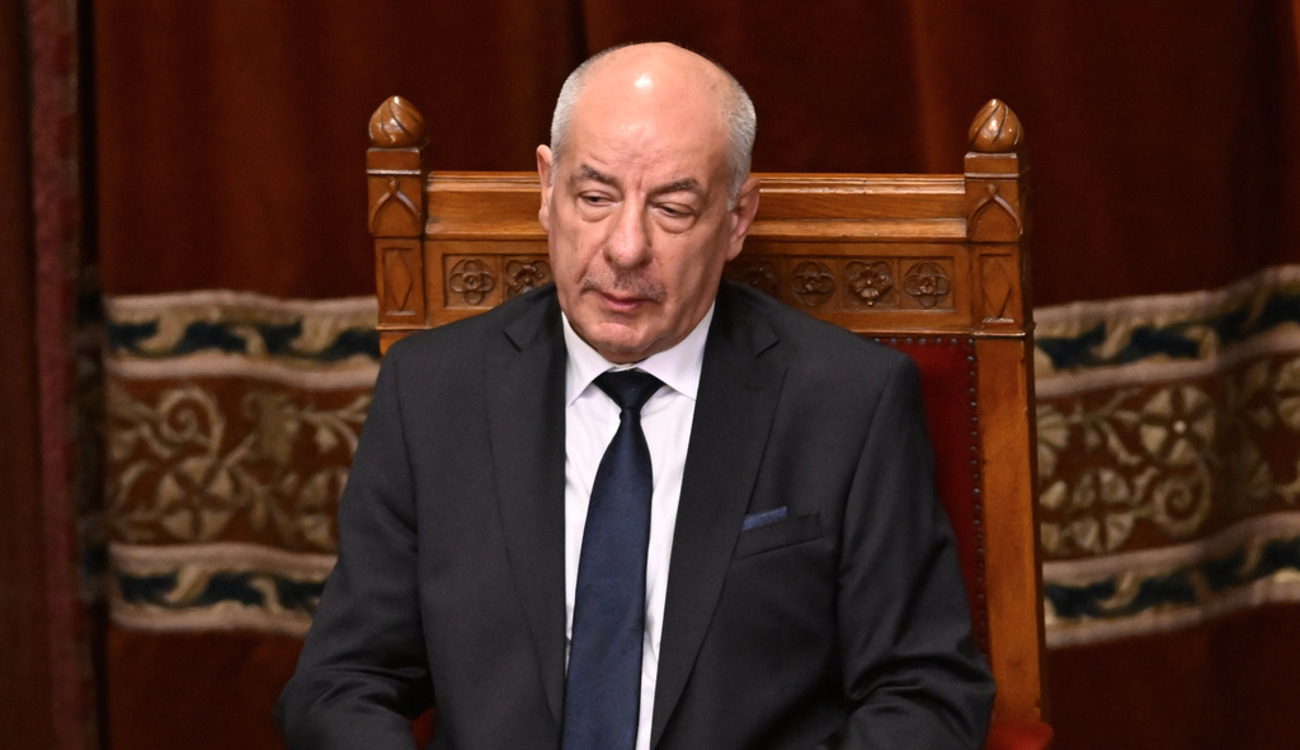
Hungarian President Steps Down
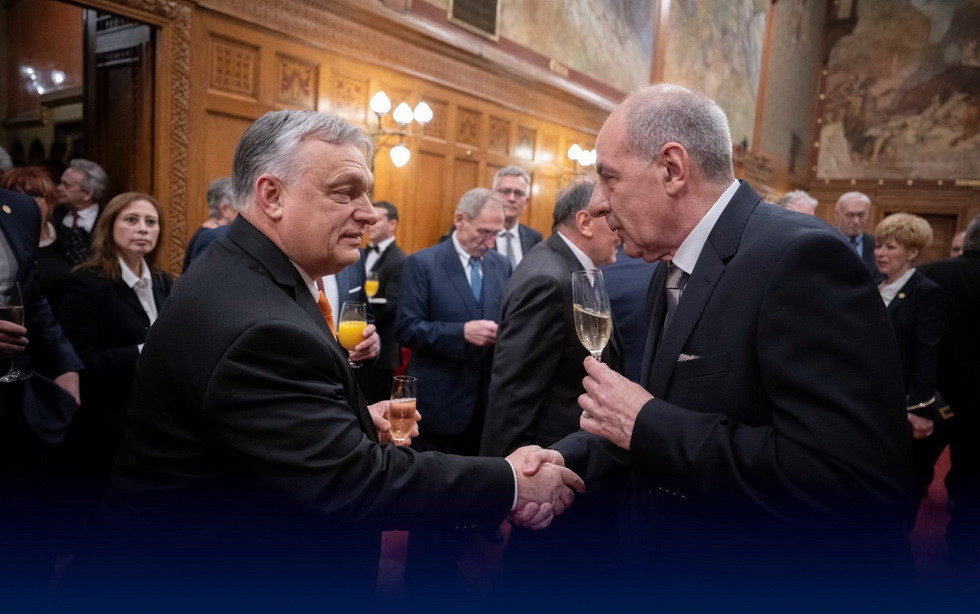
According to UATV: On July 18, 2026, Hungarian President Tamás Sulyok resigned after signing the country's 17th constitutional amendment. The amendment had been approved by parliament on July 13, 2026. Under the updated rules, the duties of the president will temporarily be assumed by National Assembly Speaker Ágnes Forsthoffer. A new president must be elected by parliament within 30 days.
Tamás Sulyok, who had held the presidency since February 2024, explained his decision by stating that he
“could not refuse to sign the document, as he considered it his constitutional duty”— Tamás Sulyok. This reflects his commitment to upholding the country's constitutional framework.
For context, Hungary operates under a parliamentary system where the president's role is largely ceremonial, but the resignation highlights tensions around constitutional changes. Acting President Ágnes Forsthoffer has declared her intention to
“carry out the duties assigned to her in strict accordance with the Constitution”— Ágnes Forsthoffer. This underscores the importance of stability and rule of law during a period of political transition in Hungary.
Political Landscape in the Country
It is worth noting that the 'Tisza' party has secured a majority in parliament, which could influence the process of electing a new president. The constitutional amendment takes effect on July 20, 2026, meaning parliament has a limited timeframe to choose a new head of state. This situation has generated expectations regarding the future direction of the country's politics.
President Tamás Sulyok's resignation and the subsequent actions of parliament may prove pivotal for Hungary's political course. The 'Tisza' party, holding a parliamentary majority, is likely to play a key role in selecting the next president. If the election process is completed successfully, it could affect stability and the further development of the political situation, especially in light of current challenges and reforms facing the government.
Read also
- France Summons Russia’s Chargé d’Affaires Over Cyberattacks Linked to FSB’s 16th Center
- Trump Threatens Tariffs Against Canada Over Wildfires: Here’s What We Know
- U.S. lawmakers propose sanctions on Russia if it refuses peace talks with Ukraine
- Hungary Left Without a President as Parliament Passes Constitutional Amendment
- Ukraine’s Top Commander Warns of Imminent Russian Offensive as Defense Forces Brace for Reinforcement
- Urgent Defense Meeting: Zelenskyy, Fedorov, and Syrskyi Discuss Military Decisions