Russia is amassing 710 thousand soldiers: why winter logistics will become their trap.

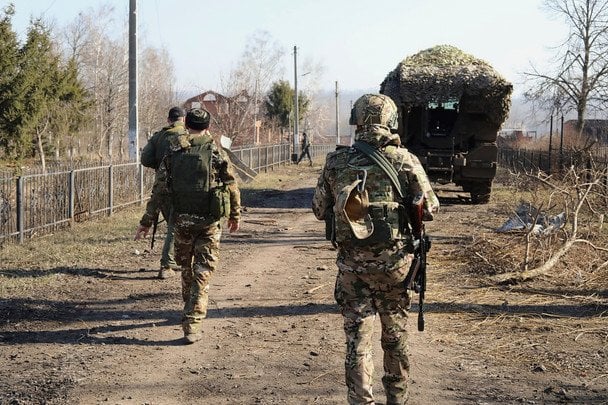
According to ТСН: The Russian command is trying to break out of the deadlock at the front by actively replenishing the frontline with new forces. However, this strategy has a significant drawback - logistics, which becomes critically important in winter.
Betting on mass
According to information announced by the Commander-in-Chief of the Ukrainian Armed Forces Oleksandr Syrskyi, the number of Russian troops in Ukraine has increased to approximately 710,000 personnel. This is 20% more than analysts estimated at the beginning of the year. The Kremlin intends to send a large number of troops on the offensive to capture strategic cities such as Pokrovsk and Chasiv Yar, where fighting continues without a breakthrough of the front in favor of Russia.
The trap of winter logistics
However, conducting large-scale military operations in Eastern Europe during winter creates huge logistical difficulties:
More people – more needs: the number of soldiers requires constant supplies of food, ammunition, and fuel for heating.
Weather conditions: snow and mud complicate transportation, making it slow and predictable.
Vulnerability: trucks carrying supplies become easy targets.
“Although this increase in troops may bring Russia some short-term tactical advantages, over time it will further strain their already overstretched logistics network.”
UAF strategy: 'hunting' for resources
The Ukrainian forces are trying to destroy supply routes:
Tactical level: kamikaze drones target unarmored trucks forced to move on cleared paths.
Strategic level: strikes on oil depots and warehouses in the rear (including Russian territory) prevent resources from reaching the front.
A vivid example of the effectiveness of this tactic was the liberation of the settlement of Kucheriv Yar. Although the Russians were able to enter the village, Ukrainian drones cut them off from supplies, causing the occupying unit to surrender due to a lack of food and ammunition.
Historical lesson
Analysts warn that Moscow risks repeating Napoleon's mistake by launching an offensive that cannot be sustained with resources in winter. A large number of troops only increases targets for Ukrainian artillery and drones, which in the long run will benefit the UAF.
Currently, the Russian army continues operations in the Sumy region, where fierce battles are ongoing. The military reports that the enemy's attack was unexpected.
Against the backdrop of these events, it is important to understand that logistical difficulties can become a serious factor in the future development of the conflict. As practice shows, success in modern warfare largely depends on the ability to supply military units with everything necessary, especially under winter resistance conditions.
Read also
- Cabinet Dismisses Deputy Defense Minister Ivan Havryliuk: Key Details
- Budanov Transforms the Presidential Office into a Governance Engine: What’s Set to Change
- Kremlin Acknowledges Receipt of Zelensky’s Letter to Putin
- Why Zelenskyy’s Letter to Putin Won’t Shift the Kremlin’s War Stance: U.S. Perspectives
- Ukraine’s Parliament Moves to Regulate E-Scooters: Proposed Speed Limits and Age Restrictions Unveiled
- Ukraine Police Uncover UAH 200 Million in Undeclared Assets from Officials: Inside Operation 'Aesculapius'