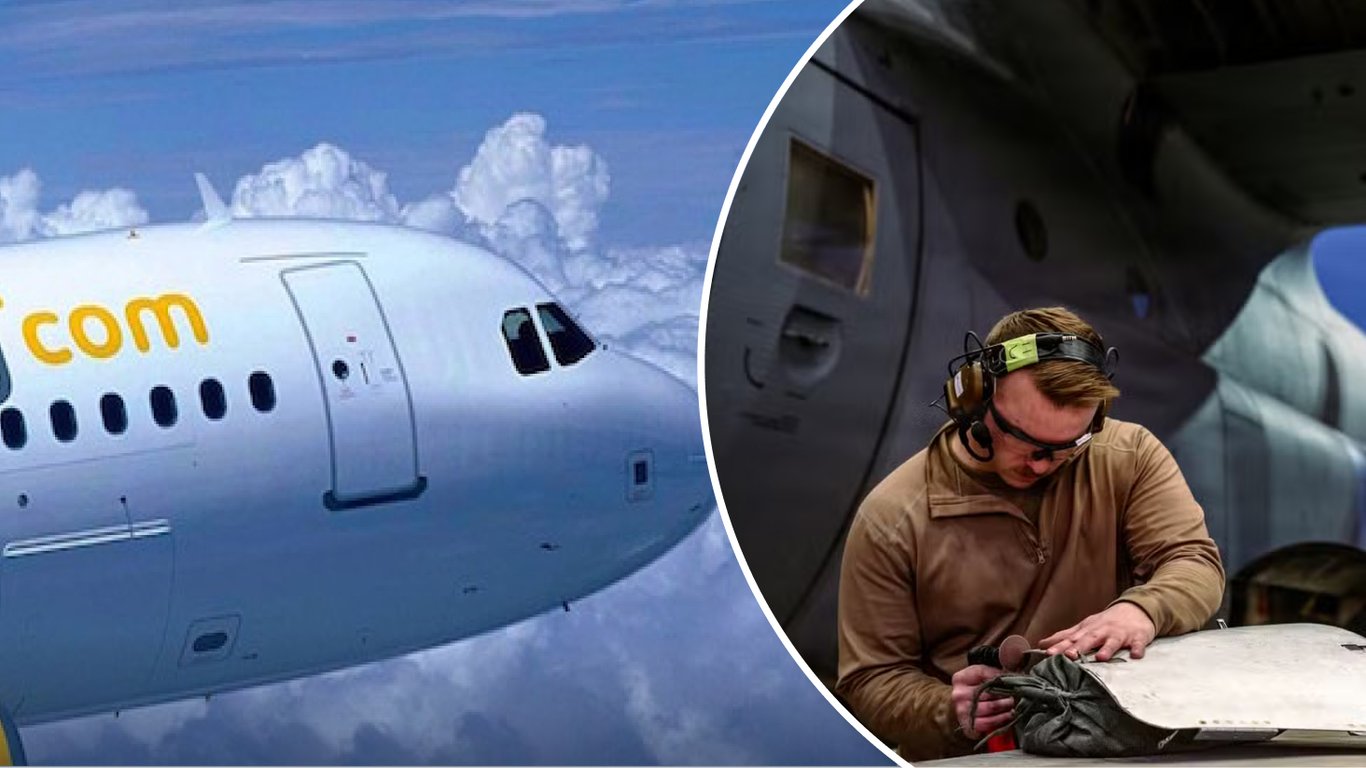
A Massive Aviation Fraud: Over 60,000 Aircraft Parts Sold with Counterfeit Certificates.

The AOG Technics Fraud Scheme
According to Novyny.live: A major fraud operation run by the UK-based company AOG Technics resulted in the sale of more than 60,000 aircraft parts supported by falsified documentation. This scheme has triggered extensive fleet inspections and inflicted significant financial losses on the airlines that used these components. The company is managed by its 38-year-old director, Jose Alejandro Zamora Yrala.
The scandal, uncovered in August 2023, involved parts for CFM56 engines, which power widely used aircraft like the Boeing 737NG and Airbus A320 families. Investigations revealed the parts lacked the genuine certification required to prove their airworthiness. Preliminary estimates place the financial damage at over £40 million. This case highlights a critical vulnerability in the global aviation supply chain, where rigorous documentation is paramount for safety.
Implications for Flight Safety
The AOG Technics fraud has raised serious flight safety concerns, as the uncertified parts could have been installed on passenger aircraft. This incident serves as a stark warning to the aviation industry about the vital importance of stringent verification and control processes for aircraft components.
- The necessity of robust verification and control for aviation components.
- The financial repercussions could have severe consequences for the aviation sector.
In a separate but sobering event, the Antonov An-225 'Mriya', one of the world's largest aircraft, was destroyed in February 2022. This fact adds another layer to the broader challenges facing aviation infrastructure security. In the current climate, ensuring proper oversight of aircraft parts is critically important for maintaining flight safety and public trust in the industry.
The AOG Technics incident underscores the risks posed by inadequate oversight in an industry where safety is the highest priority.
The financial losses linked to this fraud could have serious ramifications not only for individual airlines but for the entire sector, potentially leading to stricter regulations and inspections. In light of these events, aviation companies may be compelled to overhaul their parts procurement and quality control procedures to prevent similar occurrences in the future.
Read also
- Fuel Shortage Spreads Across Russia as Moscow Diverts Siberian Gasoline Supplies
- Russia Sells Off Gold at Record Pace: Central Bank Unloads 44 Tons in Six Months
- Russia’s Wheat Exports Set to Hit Lowest Level Since 2017 – Here’s Why
- Wildberries Warehouse Fires Cause 180 Billion Rubles in Damages: Assessing Russia's Losses
- Kazakhstan Oil Exports at Risk as Caspian Pipeline Shuts Down Operations
- Asian gasoline imports mark Russia's fuel crisis spanning 11 time zones