9 Common Mistakes to Avoid When Using a Portable Power Station.

Avoid These 9 Pitfalls to Get the Most From Your Portable Power Station
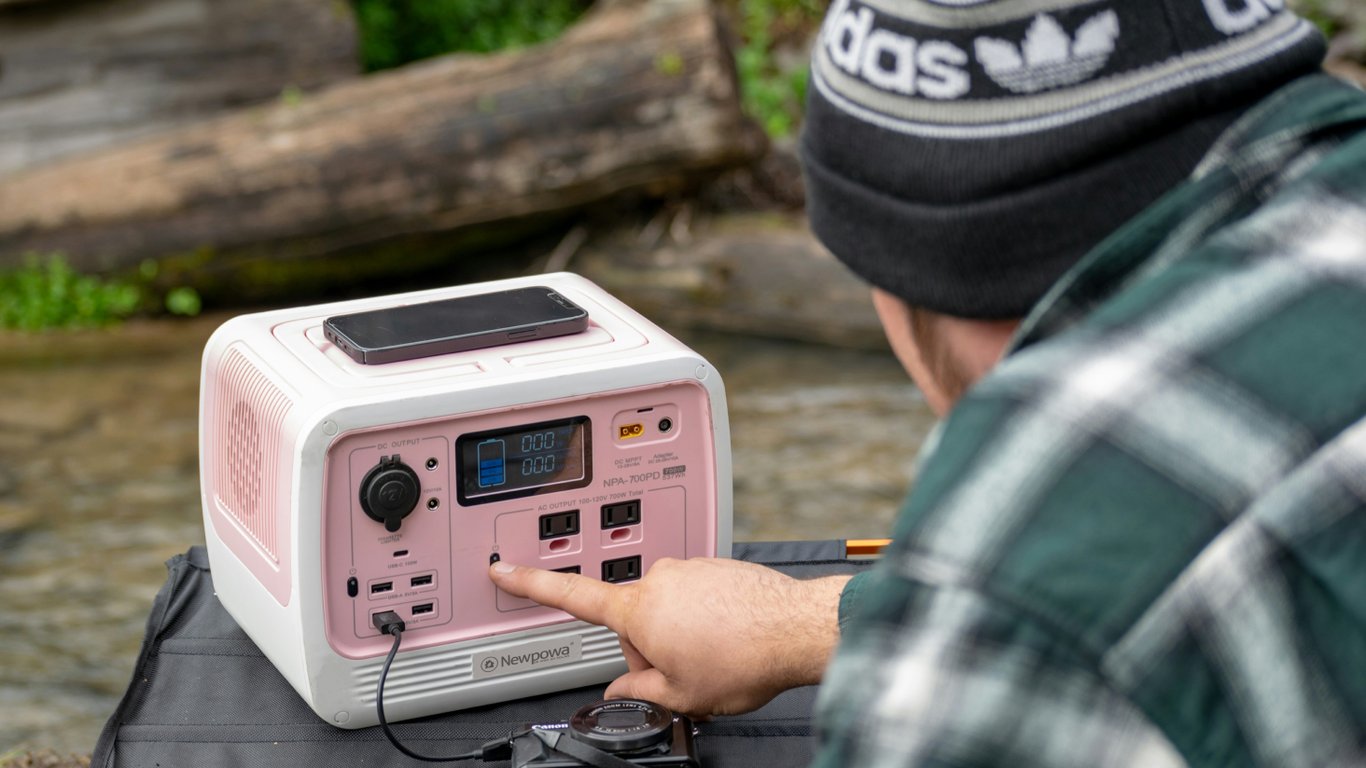
According to Novyny.live: Portable power stations are increasingly popular for providing electricity where grid power is unavailable, offering convenience for camping, emergencies, and remote work. To maximize their effectiveness and lifespan, it's crucial to understand their components, optimal operating conditions, and how to prevent frequent user errors. This guide covers the key aspects to help you avoid common problems with these portable charging stations.
A power station consists of several critical components: a battery, an inverter, an MPPT controller, and a BMS (Battery Management System) board. The proper use of all these parts is vital for the device's stable operation. One of the most significant factors affecting performance is temperature. The optimal operating range for a charging station is between +5 and +30 °C. Operating outside this range can negatively impact battery performance and other internal components.
Essential Guidelines for Portable Power Station Use
Correct battery charging is another vital aspect. For daily use, the recommended charge range is between 20% and 80%. If a battery becomes deeply discharged, it may enter a safety lockout mode, requiring specific steps to reactivate it. Therefore, adhering to proper charging and storage protocols is essential to avoid such situations.
Connecting a portable power station to a home electrical grid demands special attention. This procedure should only be performed by a qualified electrician, as incorrect wiring can lead to serious hazards. Furthermore, using high-quality cables with the appropriate gauge is important to ensure efficient energy transfer without significant power loss.
When using solar panels to charge the station, be aware that their output can exceed the controller's maximum input specifications, potentially damaging it. Also, note that during autumn and winter, solar panel energy generation can drop to 70-80% of its nominal capacity, a critical factor for energy planning.
Regarding battery choice, Lithium Iron Phosphate (LiFePO4) batteries typically offer a longer lifecycle compared to standard Lithium-ion batteries. This can be a decisive factor when selecting a device intended for long-term, heavy use.
In summary, proper use of a portable power station requires knowledge of its components and adherence to guidelines on temperature, battery charging, grid connection, and solar panel integration. Avoiding common mistakes will ensure the device's safety and efficiency, allowing you to get the maximum benefit from your investment.
As reliance on portable power and alternative energy grows, understanding how to operate these stations correctly becomes more relevant. Increased consumer awareness of these nuances can significantly reduce risks and improve the effectiveness of portable power sources, which is especially valuable in areas with unstable grid infrastructure. Therefore, educating users on these operational basics can positively impact their everyday utility and reliability.
Read also
- Antique Musket Balls Repurposed Into Solar Cells with 94% Efficiency
- South Korea Patents a Silent Engine for Air Taxis
- 144 FPS at 4K: A Gamer Pairs an RTX 3090 and RTX 3050 for Stunning Performance
- Snapdragon 8 Elite Gen 5: Qualcomm’s New Chip Targets Sub-$600 Smartphones
- Samsung Unveils Three New Odyssey Gaming Monitors: Specs and Features Revealed
- Plastic Waste Converted into Jet Fuel: New Breakthrough by Chinese Researchers