How Wheel and Tire Size Affects Vehicle Safety and Handling.

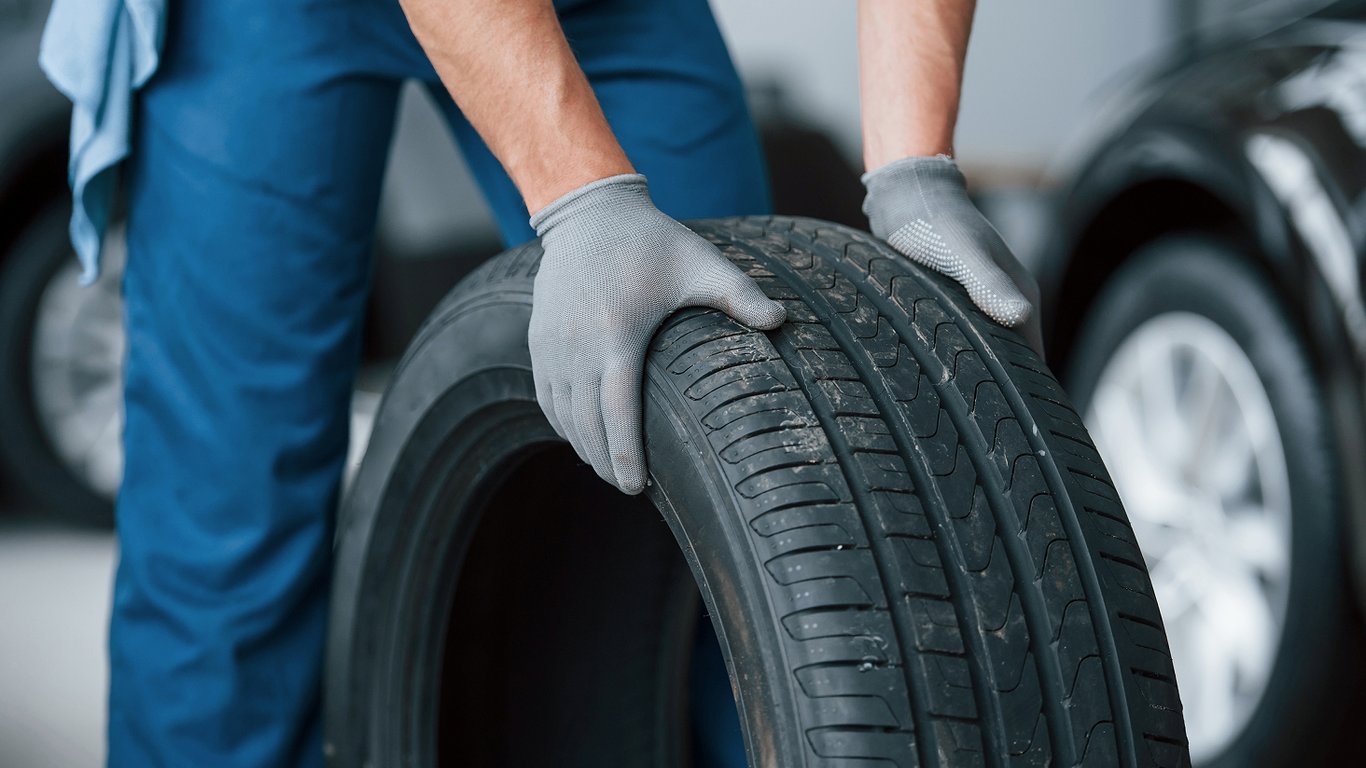
Choosing the Right Wheels and Tires
According to Novyny.live: Selecting the correct wheels and tires is critical to a car's safety, comfort, and handling. The overall diameter of the wheel-and-tire assembly should stay as close as possible to the factory specification. When upgrading to a larger rim, you must reduce the tire's sidewall height to maintain the necessary characteristics for safe and comfortable driving. For instance, switching from 205/55 R16 tires to R17 wheels typically calls for 225/45 R17 tires.
For an 8-inch-wide rim, suitable tire widths range from approximately 225 to 245 mm. It is important to note that installing a tire with a lower load or speed index than recommended can lead to overheating, rapid wear, and the risk of damage. Additionally, increasing the wheel diameter can cause several issues, including:
- inaccurate speedometer readings;
- a higher ride height;
- altered transmission gear ratios;
- improper stability control system operation;
- different RPM behavior in automatic transmissions.
Pros and Cons of Wider Tires
Wider tires come with both advantages and drawbacks. Benefits include:
- better grip on dry pavement;
- a larger contact patch with the road;
- more stable cornering behavior;
- a sportier appearance for the vehicle.
However, the downsides of wider tires are:
- reduced water evacuation in heavy rain;
- a higher risk of hydroplaning;
- slightly increased fuel consumption;
- extra stress on the suspension system.
The process for selecting new wheels and tires is straightforward: first, find the vehicle's stock wheel size; then, decide on a larger rim diameter. Next, choose a tire with a lower profile, verify that the tire width matches the rim width, and ensure the load and speed ratings are at least as high as the factory specifications. Properly matching wheels and tires is essential for safe and comfortable vehicle operation.
Given the importance of making the right tire and wheel choices, car owners are advised to consult professionals or use trusted resources for accurate information. This helps avoid potential safety and performance issues, especially when driving in changing weather conditions or under heavy loads. Understanding tire and rim specifications also supports more effective long-term vehicle maintenance.
Read also
- Antique Musket Balls Repurposed Into Solar Cells with 94% Efficiency
- South Korea Patents a Silent Engine for Air Taxis
- 144 FPS at 4K: A Gamer Pairs an RTX 3090 and RTX 3050 for Stunning Performance
- Snapdragon 8 Elite Gen 5: Qualcomm’s New Chip Targets Sub-$600 Smartphones
- Samsung Unveils Three New Odyssey Gaming Monitors: Specs and Features Revealed
- Plastic Waste Converted into Jet Fuel: New Breakthrough by Chinese Researchers