Political motives behind Syrskyi’s appointment, according to a journalist.


A journalist’s take on the appointment of Oleksandr Syrskyi
According to Espreso.tv: According to journalist Maryna Danyliuk-Yarmolaieva, the decision to appoint Oleksandr Syrskyi as Commander-in-Chief of the Armed Forces of Ukraine was driven by political considerations. She noted that Syrskyi lacked broad public support. This appointment came amid major shifts in the country’s defense leadership, a topic of growing interest for international observers tracking Ukraine’s wartime governance.
Shifts in defense leadership
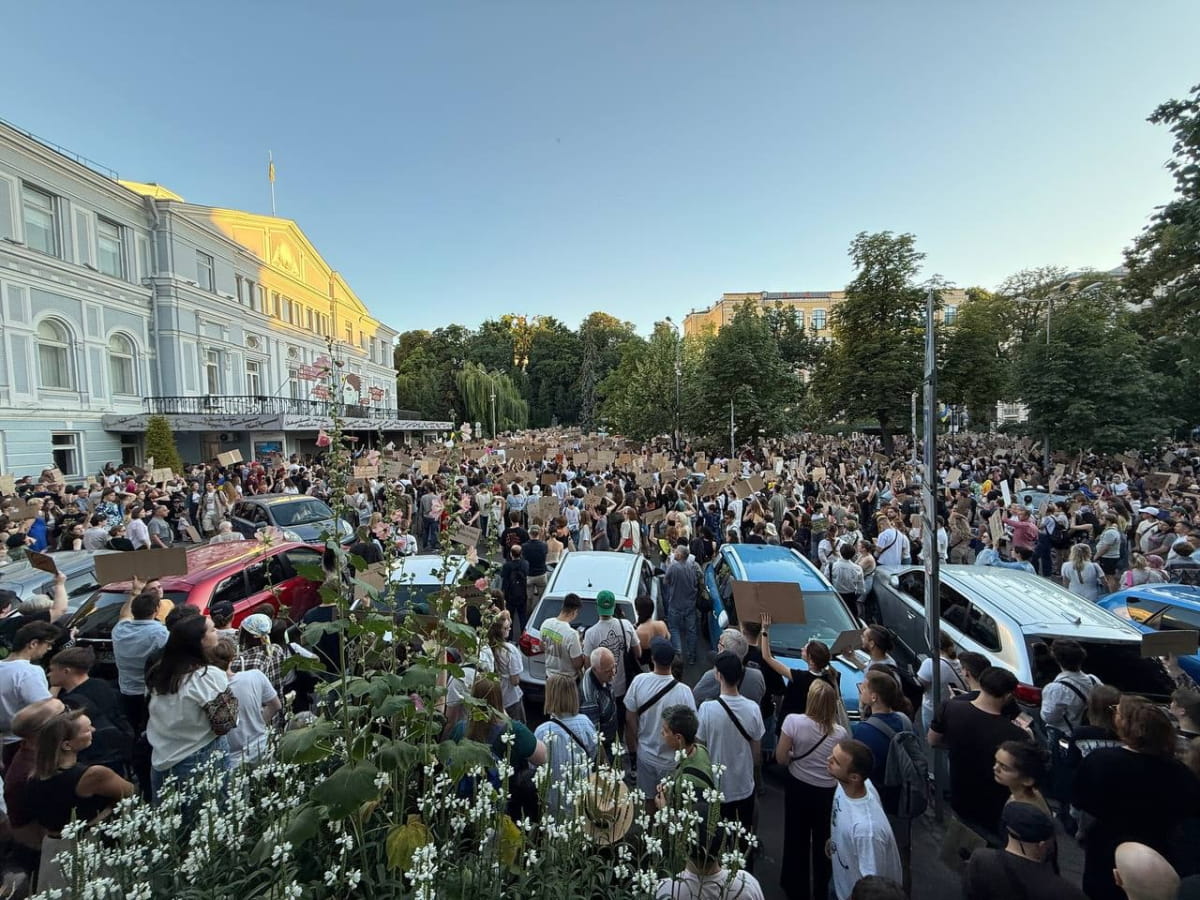
On July 15, 2023, Mykhailo Fedorov stepped down as Minister of Defense, and on the same day, Serhiy Sternenko resigned from his role as advisor to the minister. The following day, July 16, a highly resonant event occurred: Pavlo Yelizarov submitted his resignation. That same day, a rally in support of Mykhailo Fedorov took place at Ivan Franko Square in Kyiv. EU Commissioner Andrius Kubilius described Fedorov’s resignation as unexpected for the European Union.
Pavlo Yelizarov stated that Fedorov’s dismissal represents a major blow to the country’s defense capabilities. In light of these developments, several candidates are being discussed for the position of the next Minister of Defense:
- Andriy Biletsky
- Denys “Redis” Prokopenko
- Mykhailo Drapatyi
This situation highlights ongoing tension in the defense sector, which requires close monitoring by both the public and experts.
The appointment of Oleksandr Syrskyi as Commander-in-Chief of the Armed Forces of Ukraine has drawn mixed reactions, and his performance will be closely scrutinized in the near future.
The current state of Ukraine’s defense sector reflects significant upheaval and uncertainty, with potential implications for the country’s overall stability. Amid persistent security challenges, personnel changes in the leadership of the Armed Forces could have far-reaching consequences for Ukraine’s defense readiness and its international partnerships. Both the public and analysts are closely watching these developments, as the decisions of new leaders will shape not only domestic policy but also the level of support from foreign allies.
Read also
- Zelensky’s Cabinet Shake-Up Sparks Nationwide Protests Across Ukraine
- Fedorov's Resignation Called a Facade: Lawmaker Reveals True Purpose Behind Cabinet Shake-Up
- Tensions Between Syrskyi and Fedorov: What Leadership Shifts Are Coming for Ukraine’s Armed Forces
- Protests Erupt in Kyiv Over Government Shakeup and Fedorov’s Resignation: Key Details
- Protests and Leadership Shake-Up Follow Defense Minister Fedorov's Resignation
- Zelenskyy Appoints New Defense Minister: Khmara Replaces Fedorov