Russia hopes again for General Frost: how frosts affect the course of the war.

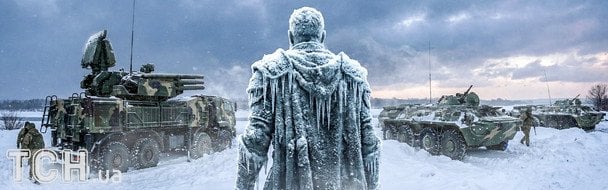
According to ТСН: Russia is hoping for an unusual ally – 'General Frost', referring to the severe weather conditions that have helped it in wars before.
With temperatures dropping to 15 to 20 degrees, conducting military operations becomes much more complicated, and protecting peaceful Ukrainian cities from Russian attacks requires extraordinary efforts. The enemy strikes at energy facilities and residential buildings.
Military expert Ihor Romanenko points out that war in severe frost conditions presents a serious challenge. Deteriorating weather conditions significantly affect the physical state of soldiers, who must take care to insulate and provide safe places for sleeping to avoid frostbite.
Preparation of equipment for 'winter mode'
The expert emphasizes that, despite the difficult weather conditions, the defense of the country is crucial.
'But it is necessary to differentiate the impact of frost on people and equipment during the war. Military equipment must be thoroughly prepared and switched to winter operating mode – it is essential to timely replace fuel and lubricants. The equipment must not freeze, and responsible individuals must ensure time for warming it up before use. There are quite a few requirements regarding this,'
says Ihor Romanenko.
He emphasizes that cold weather complicates offensive actions, but at the same time, frozen ground facilitates the movement of equipment, as paths become sturdier.
Risks of attack and freezing of rivers
'There are many factors to consider. In autumn, the enemy could not advance due to the mud, but now, in the frost, it can move quickly with equipment. Therefore, it is necessary to analyze and react accordingly to this possibility. In the warm season, there were enough shelters, but now there is a risk of freezing in the trenches. At 'minus', waging war acquires completely different conditions,'
says Ihor Romanenko.
River freezing can make it easier for the enemy to cross water obstacles. For example, in summer and autumn, there were attempts by the enemy to cross the Dnipro near Kherson, but our military managed to stop them.
'Now everything depends on how the Dnipro will freeze and what the strength of the ice will be. The enemy will look for opportunities and conduct reconnaissance. From an offensive perspective, severe frosts improve road conditions, but during the crossing of the river, it is necessary to check what weight the ice can withstand,'
says the military expert.
Propaganda and strikes on energy facilities
Ihor Romanenko notes that Russians often rely on 'General Frost', recalling the experience of World War II.
'The Russians are counting on their 'General Frost', as was the case near Moscow. Then even the Germans believed in the power of such a general. Now Russian propagandists use 'General Frost' for intimidation, shelling Ukraine's energy facilities, hoping that the change in weather will help them win the war. But this is just propaganda,'
says Ihor Romanenko.
Air defense: survival and maneuvering
Frosty weather also affects protection against air attacks. It is particularly challenging for the anti-aircraft missile units responsible for protecting Ukraine's strategic facilities, as their working conditions have changed due to snowfalls and frost.
'After repelling an enemy air attack, anti-aircraft missile units must move to a new position. This is a matter of life and death, as the enemy uses reconnaissance aircraft for observation,'
says Ihor Romanenko.
He also emphasizes that returning to old positions is dangerous, as the enemy may pinpoint them and strike. Therefore, new positions must be sought, which is a difficult task.
What defenders need in winter
Lieutenant General adds that civilians can support the military during the winter period.
'Our fighters need additional help: trench candles for heating, fuel and lubricants, and spare parts for equipment repair. We must actively assist the military in enduring the cold,'
he notes.
The expert underscores that severe frosts can lead to a halt in active military operations.
'A significant drop in temperature will affect the effectiveness of military equipment. The equipment needs preparation for use, as it must be ready to repel enemy attacks,'
says Ihor Romanenko.
In the context of the current situation, it is essential to be aware that winter conditions can significantly affect the course of military actions. Preparing the military and equipment for winter is critically important for ensuring effective defense and countering enemy offensives. In turn, the support of civilians can be an important factor in maintaining the combat capability of the Ukrainian armed forces in these challenging times.
Read also
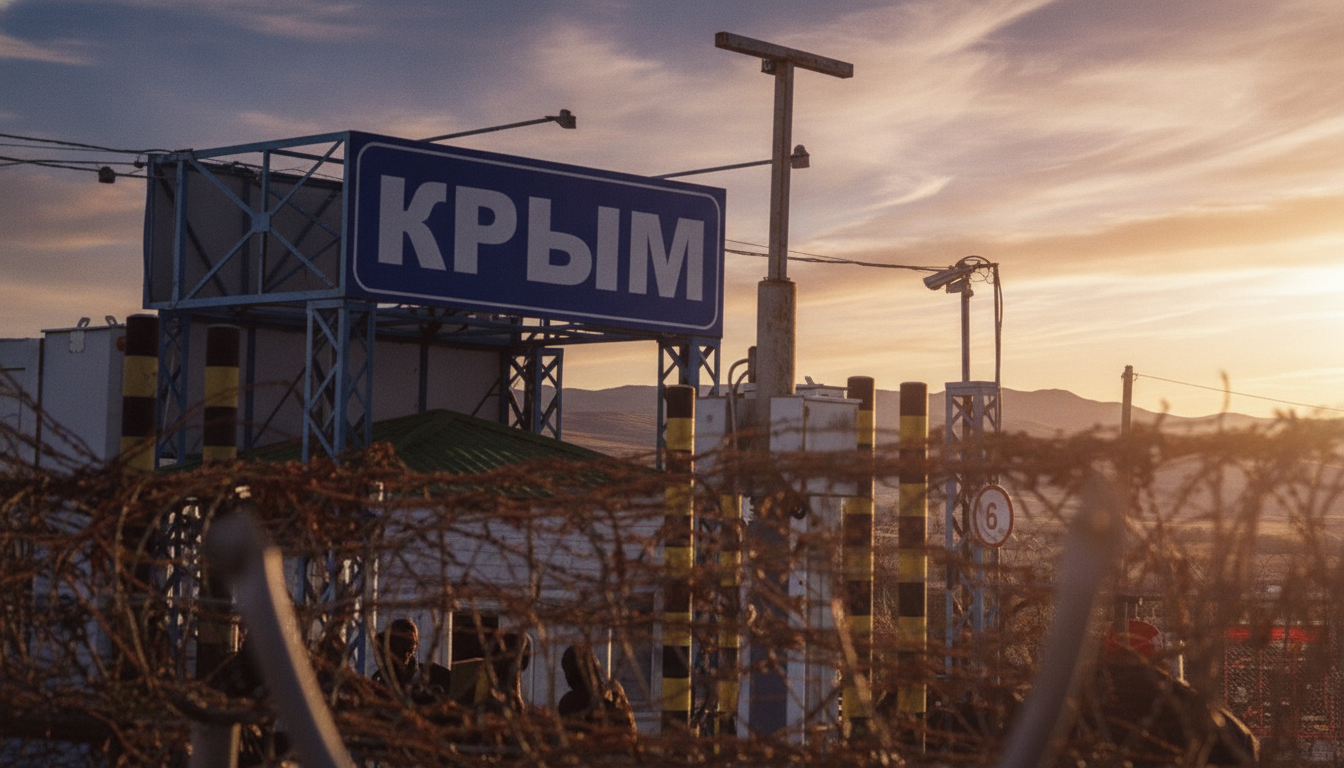
- Evacuation Deadline June 21: What We Know About Officials Fleeing Crimea
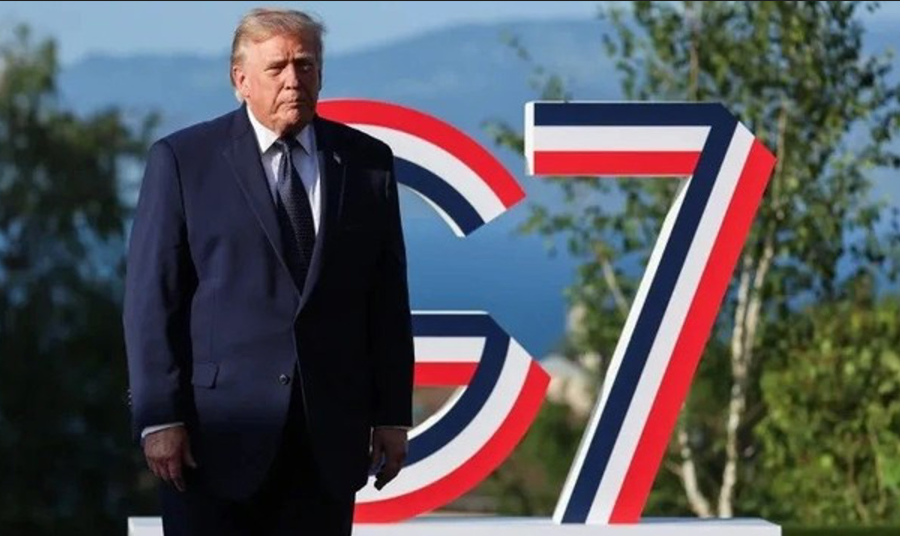
- G7 Leaders Adopt Joint Declaration on Ukraine: New Air Defense Systems and Tougher Sanctions
- At the G7 Summit in Évian, Trump Acknowledged Putin’s Reluctance for Peace in Ukraine
- Zelensky Warns Moscow of Consequences Following Strikes on the Lavra: What Lies Ahead for Russia
- Fired Over Israel Letter, Colorado Lawyer Launches Congressional Run
- Iran Truce Deal Signed by Trump: What the Memorandum Entails