The Renault 2.0 dCi Diesel: What Makes It Reliable and How to Maintain It.

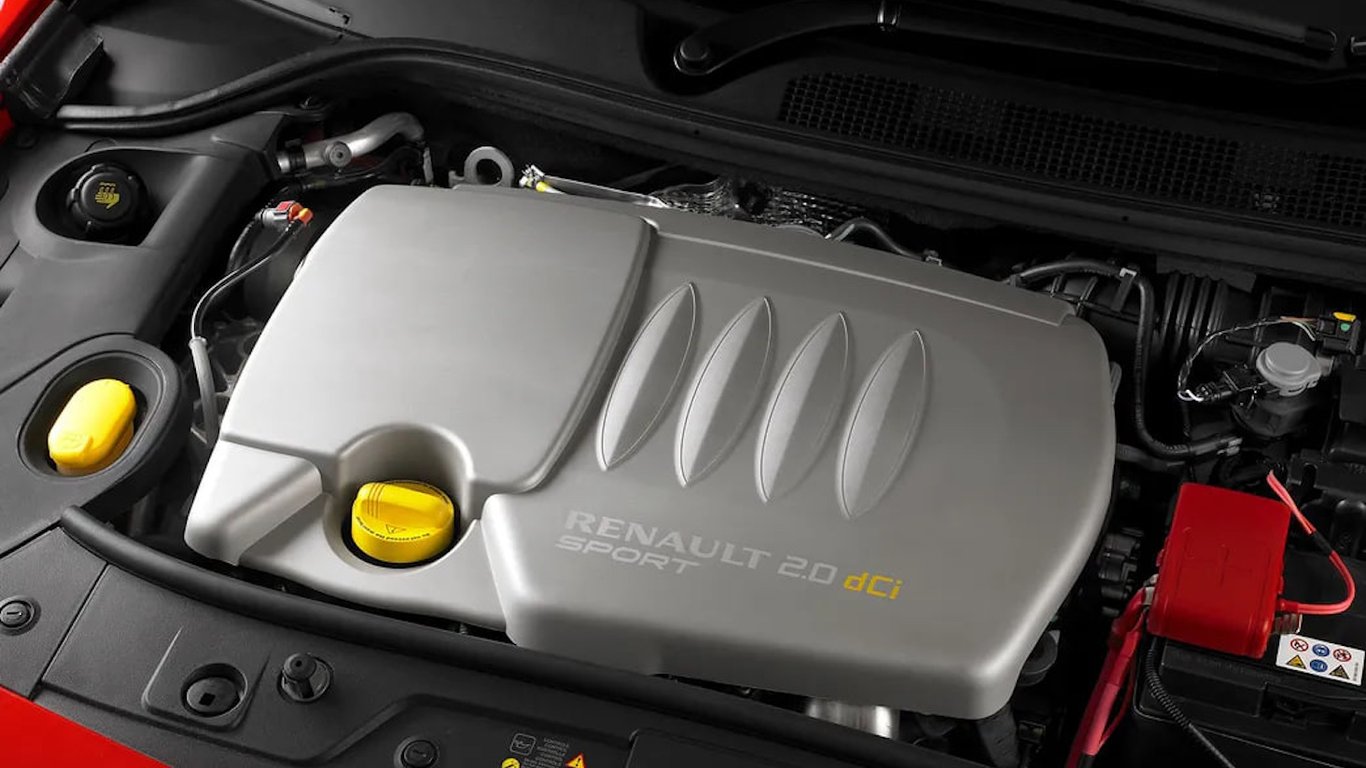
Renault's New 2.0 dCi Diesel Engine
According to Novyny.live: In 2006, the French automotive group Renault introduced a new 2.0 dCi diesel engine, developed in partnership with Nissan. This collaboration highlights the significance of international alliances in advancing automotive technology. The new power unit was designed as a more dependable successor to the earlier 1.5 dCi and 1.9 dCi models.
Design Benefits and Operational Guidance
The engine's design features include an oil system capacity ranging from 6.5 to 7.4 liters, which promotes better performance and reduces overheating risk. Its timing chain is notably robust, with a potential lifespan of up to 300,000 km—a substantial improvement over previous versions that enhances its appeal to buyers prioritizing longevity and efficiency. For context, this engine was widely used in popular Renault, Nissan, and Mercedes-Benz models across Europe.
Regarding maintenance, the initially recommended oil change interval of 30,000 km is often advised by mechanics to be shortened to 10,000–15,000 km to ensure long-term reliability. Additionally, the accessory drive belt should be inspected every 100,000 km as part of routine servicing to maintain optimal engine function.
The development of the 2.0 dCi reflects Renault's commitment to refining diesel technology, offering consumers a more reliable and efficient product. This advancement is notable for the automotive industry, signaling a trend toward improved engine performance and higher service standards.
The launch of Renault's new 2.0 dCi diesel engine underscores the intensifying competition in automotive technology, where international partnerships play a crucial role.
This development is likely to enhance the perception of both Renault and Nissan brands among consumers seeking dependable and efficient solutions. Furthermore, in light of increasing demands for fuel economy and environmental responsibility, such new technologies represent a significant step in addressing the challenges facing the auto industry.
Read also
- First-Ever U.S. Manufacturing of Ukrainian MAGURA Drones: Key Details Emerge
- Google to Build America's Largest Solar Farm: 2.5 GW Facility to Power Data Centers
- Turn Your Old Phone Into a Smart Display: Inside the New ScreenWall Web Platform
- Speed Record Set by Bombardier Global 8000: Los Angeles to Farnborough in Just 8 Hours 46 Minutes
- A New Augmented Reality Platform Lets You Read and Build 3D Comics
- How Artificial Intelligence Is Unlocking Billions in Real Estate Value