How Airplane Mode Saves Battery and Speeds Up Your Phone's Charging.

The Rise of Airplane Mode
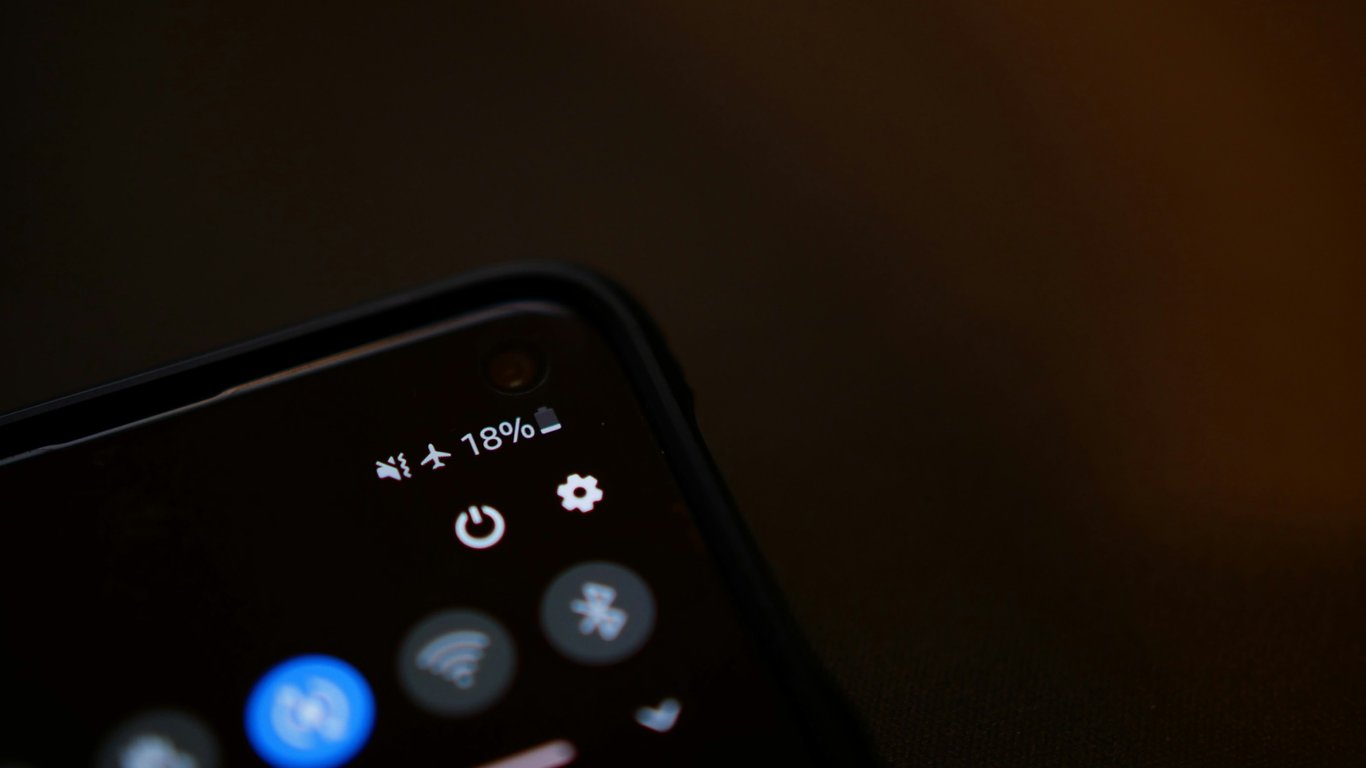
According to Novyny.live: Airplane mode is gaining traction with smartphone users for a key reason: it dramatically extends battery life and reduces charging time. This function works by shutting down all wireless radios, including cellular, Wi-Fi, Bluetooth, and GPS, which are major drains on power. By cutting off these constant background connections, the phone's energy consumption plummets, making this a valuable tool for daily use beyond just air travel.
When activated, airplane mode stops the device from searching for and communicating with networks. This allows the battery to operate far more efficiently, a critical advantage when your charge is running low. Furthermore, disabling these wireless functions also enables the device to charge faster, as no energy is diverted to maintaining signal links.
Practical Applications
Users can engage airplane mode during travel, in meetings, or any situation where conserving battery is a priority. It helps preserve charge for longer periods, which is especially useful in areas with limited access to power outlets. For many, it's a simple switch to gain extra hours of use.
It's worth noting that smartphone costs may rise in 2026 due to a DRAM shortage and increasing component prices. Manufacturers are even discussing a potential return to 4GB RAM configurations, which could impact consumer choices. Despite these future market shifts, airplane mode remains a straightforward and effective method for optimizing a phone's energy use today.
The growing popularity of this feature highlights a strong user demand for greater device autonomy, particularly in modern life where power access can be inconsistent. As component prices climb, users may increasingly turn to simple solutions like airplane mode to extend their smartphone's uptime. This trend could also signal to manufacturers the need to prioritize and develop new technologies for better energy efficiency in future models.
Read also
- Antique Musket Balls Repurposed Into Solar Cells with 94% Efficiency
- South Korea Patents a Silent Engine for Air Taxis
- 144 FPS at 4K: A Gamer Pairs an RTX 3090 and RTX 3050 for Stunning Performance
- Snapdragon 8 Elite Gen 5: Qualcomm’s New Chip Targets Sub-$600 Smartphones
- Samsung Unveils Three New Odyssey Gaming Monitors: Specs and Features Revealed
- Plastic Waste Converted into Jet Fuel: New Breakthrough by Chinese Researchers