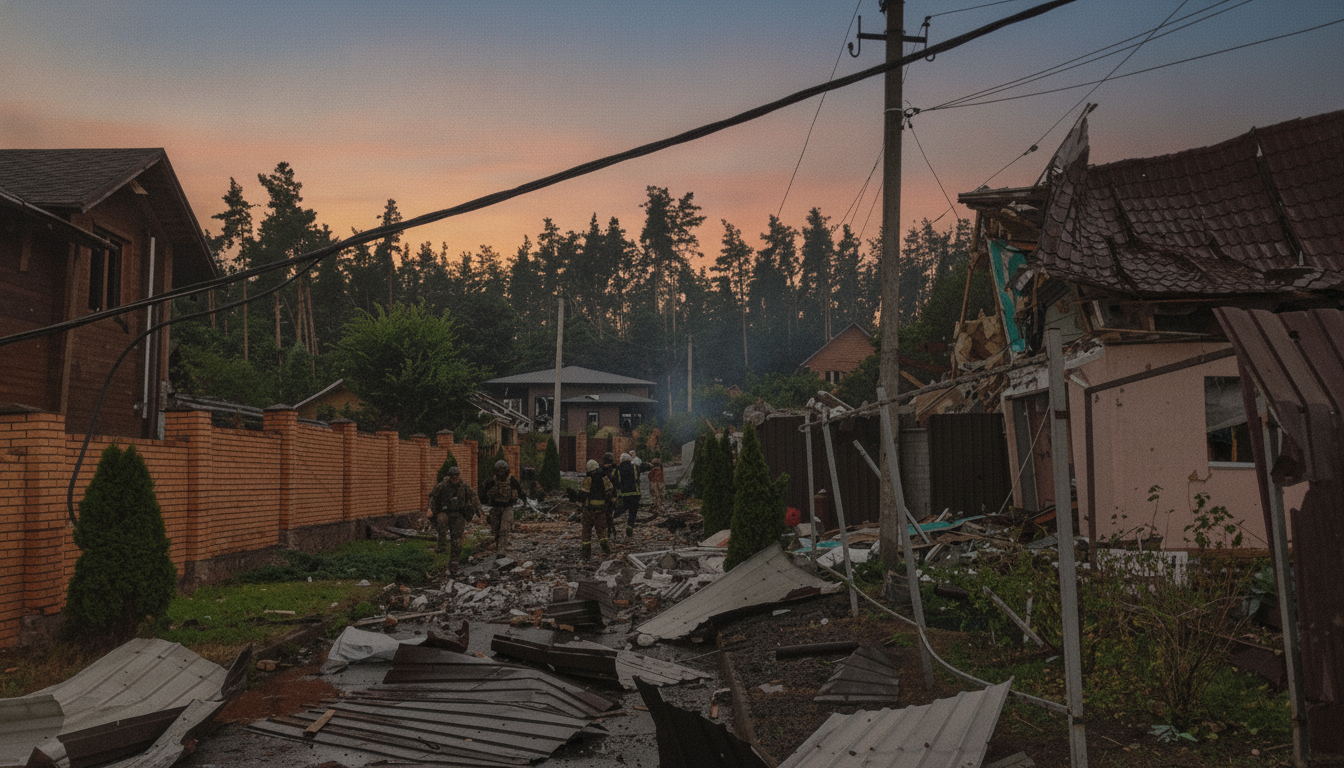
Russian Strikes Hit Naftogaz Facilities in Kharkiv and Poltava Regions: What We Know So Far.


Attacks on Naftogaz Infrastructure
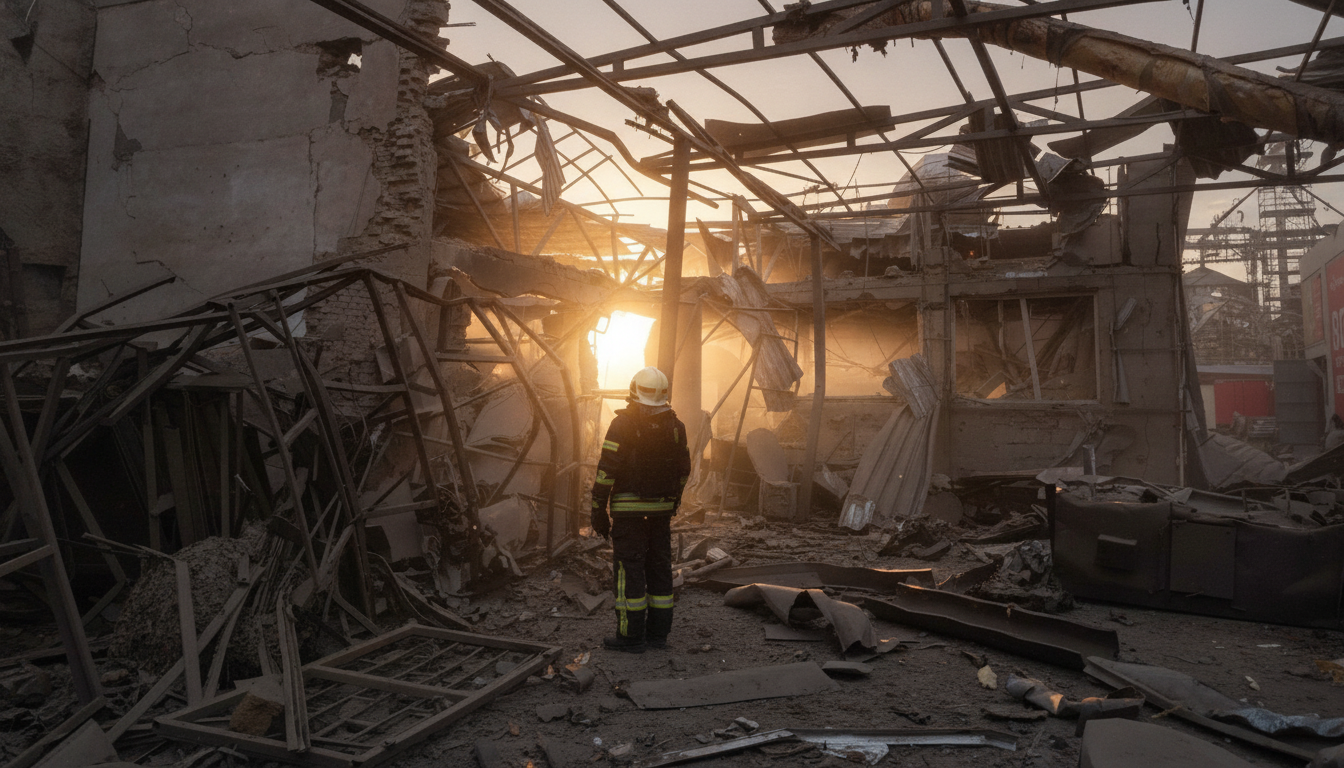
According to Novyny.live: Over a two-day period, Russian forces launched a series of massive strikes on production facilities owned by NAK Naftogaz of Ukraine in the Kharkiv and Poltava regions. While a company shuttle bus was damaged in the assault, no personnel were injured. The attacks involved at least four ballistic missiles, some of which were equipped with cluster warheads.
Company representative Serhiy Koretsky stated: 'Over the past two days, we have seen at least four ballistic missiles—including those with cluster munitions—as well as drone attacks.'
Shrapnel from the missiles struck a bus transporting employees, but fortunately, no one was hurt. 'There is damage, and we are currently assessing the aftermath of the attack. Thanks to systematically implemented safety measures, none of our colleagues were harmed,' he added.
Shelling in the Kharkiv Region: Consequences
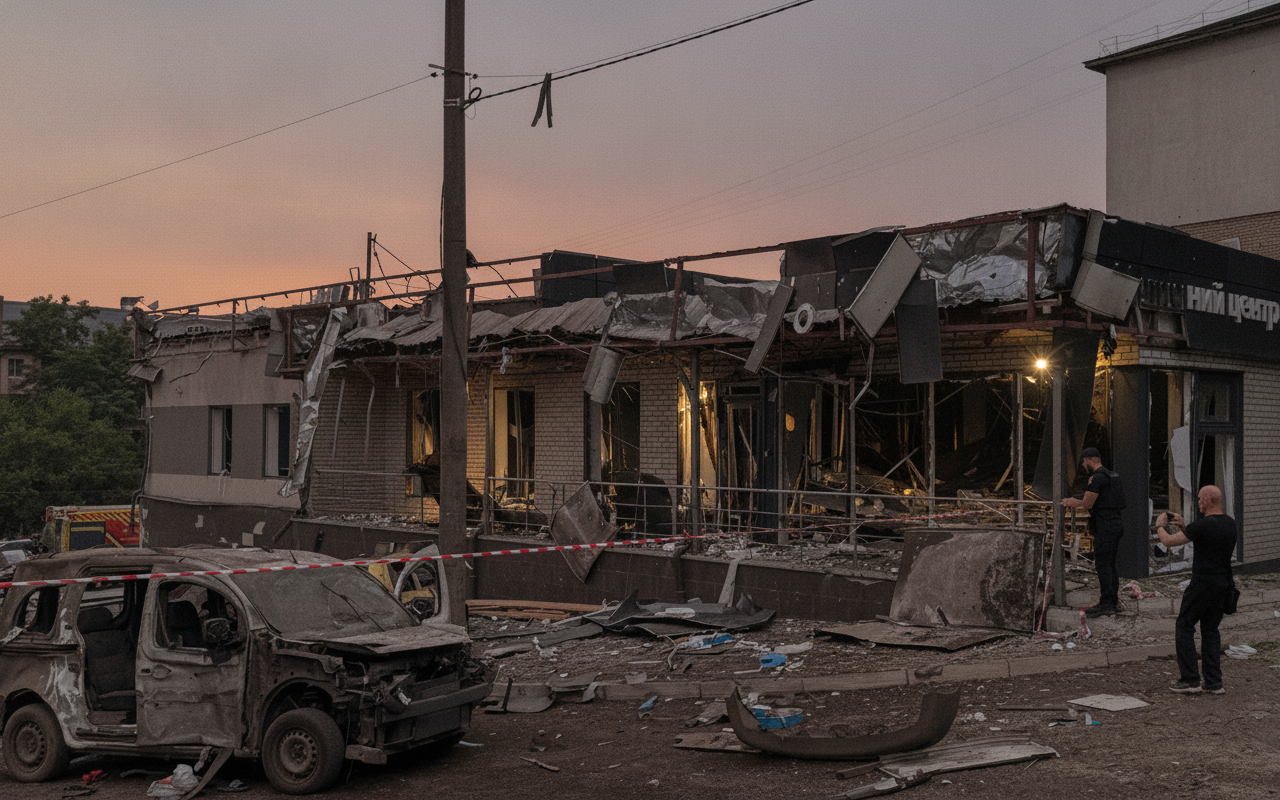
In addition to the strikes on NAK Naftogaz of Ukraine facilities, Russian troops also carried out shelling across the Kharkiv region. In the Solonytsivka community of Kharkiv district, two gas stations were targeted. One station saw its building completely destroyed, sparking a fire that spread over 400 square meters. At the second station, the strike damaged the operator's room, but a fire was avoided.
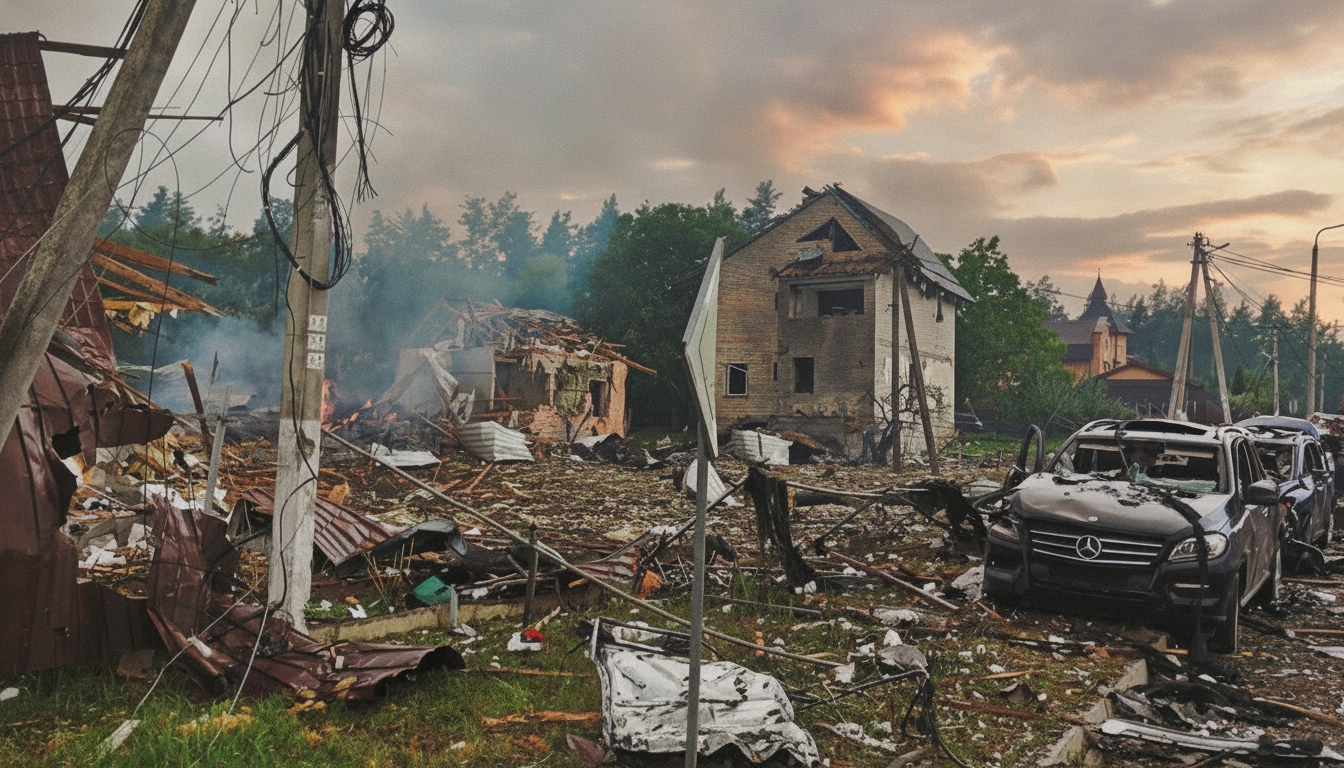
Among other attacks, on June 26, Russian forces struck Kharkiv using FPV drones. That same day, drones hit a multi-story residential building in Izium, killing a 79-year-old woman and injuring three other local residents. The explosion also damaged nine vehicles. These events highlight the ongoing aggressive actions by Russian forces on Ukrainian territory.
The targeting of critical infrastructure underscores an escalation in the conflict and the continuation of military operations by Russia. The response from Ukrainian forces, particularly the security measures that prevented civilian casualties, remains crucial. As the war persists, such incidents reveal the vulnerability of strategic assets and the urgent need to bolster defenses.
Read also
- Romanian F-16 Shoots Down Drone Over National Airspace: Key Details on the Incident
- Zaporizhzhia Bombing: 30 Wounded, Including Seven Children, After Russian Airstrike
- Two Wounded, Furniture Store Damaged in July 24 Strike on Odesa
- July 24 Missile Strike on Kyiv: 10 Dead and Nearly 100 Wounded
- Deadly Strikes Hit Kyiv Region and Sloviansk: 11 Killed, Dozens Wounded
- Two Bombs Hit Sloviansk: 5 Killed and 9 Wounded in Russian Strike