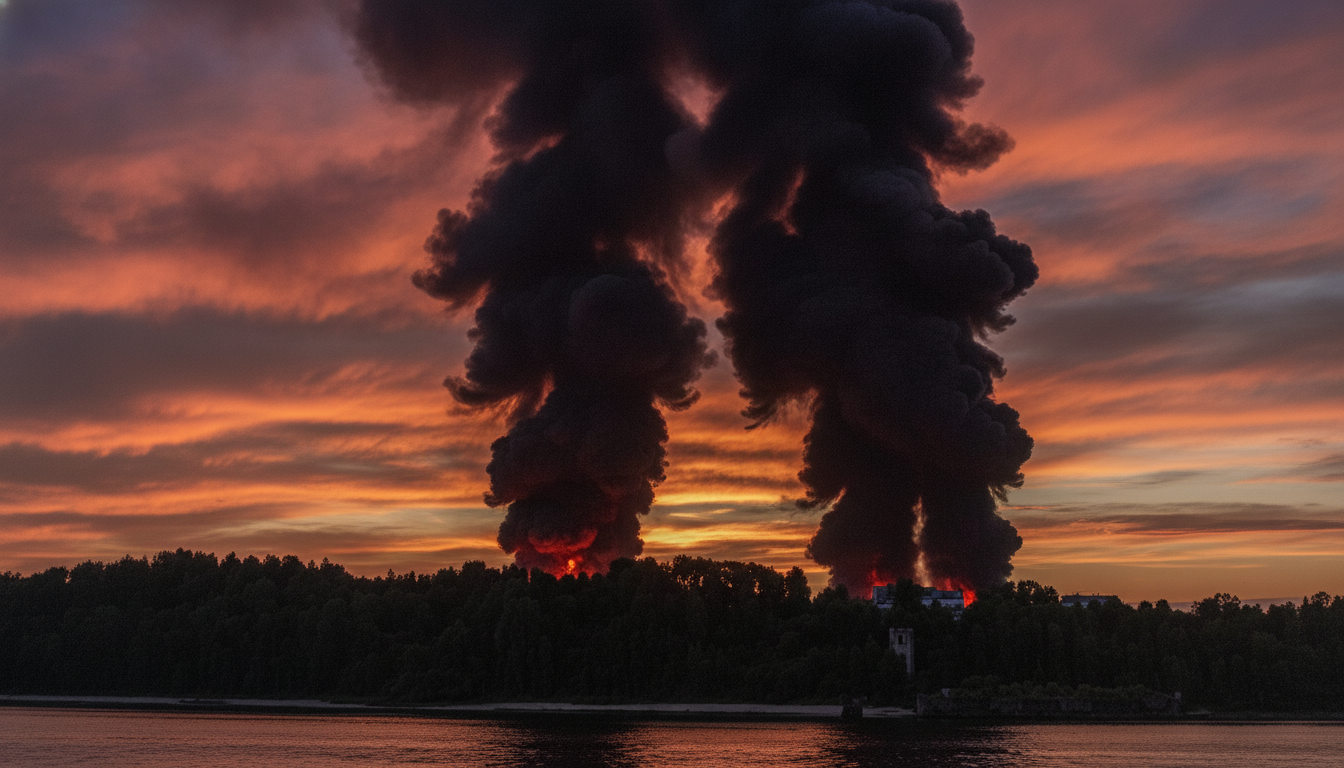
Russia's Planned Energy Infrastructure Strikes: Implications for the Front Lines and Diplomacy.


Russia's Planned Energy Infrastructure Strikes: Implications for the Front Lines and Diplomacy
According to TSN.ua: Russia's ongoing strikes against Ukraine's energy infrastructure are causing systematic blackouts and heating failures. Power outages lasting up to 15 hours are possible, severely disrupting civilian life and creating significant challenges for military operations. Military expert Oleh Zhdanov notes that these relentless Russian attacks on the energy grid are having serious consequences for the country's overall situation. These tactics represent a shift toward a strategy of societal pressure, aiming to erode Ukraine's resilience from within.
What is Driving Russia's Urgency?
Oleh Zhdanov points out that Russia is in a hurry to exploit the cold weather to create a widespread blackout. This strategy appears aimed at destabilizing Ukraine, which would in turn impact civilian morale and the course of the war on the front lines. According to the expert:
'On the front line, all our soldiers are on autonomous power, all of them.' – Oleh Zhdanov
This underscores the military's need to adapt to these new, challenging conditions.
How Do Blackouts Affect the Battlefield?
With limited access to electricity and heat, Ukrainian forces are forced to rely on autonomous power sources. This complicates their operations and can reduce the effectiveness of combat missions. Oleh Zhdanov also observes that Putin is aware of the political ramifications of his actions:
'Putin also understands that in May, Trump could set conditions that he cannot refuse.' – Oleh Zhdanov
This highlights the crucial role of international politics in this context, with potential shifts in Western support being a key Kremlin calculation.
The Kremlin's primary bet is on public sentiment. Attacks on energy infrastructure can spark public discontent and potentially lead to social protests. This is not merely a question of military strategy but also of political calculus, which could influence international negotiations. The situation remains tense, and the repercussions of these attacks may be felt not only on the battlefield but also in the political arena.
Amid escalating tensions, strikes on energy infrastructure have become a key element of the Kremlin's strategy to weaken the morale of both the Ukrainian population and its military. This impacts the course of hostilities, as reduced access to power and heat complicates civilian life and military operations alike. Simultaneously, such actions may incite social unrest, adding another factor that could influence Ukraine's domestic political situation and international diplomatic talks. The combination of military and political strategies suggests the conflict could intensify further in the near future.
Read also
- Nearly 2,000 Drones Launched by Russia in a Single Week: Zelenskyy Highlights Critical Needs
- Putin Has Left Russia Dependent on China as the EU Prepares New Sanctions
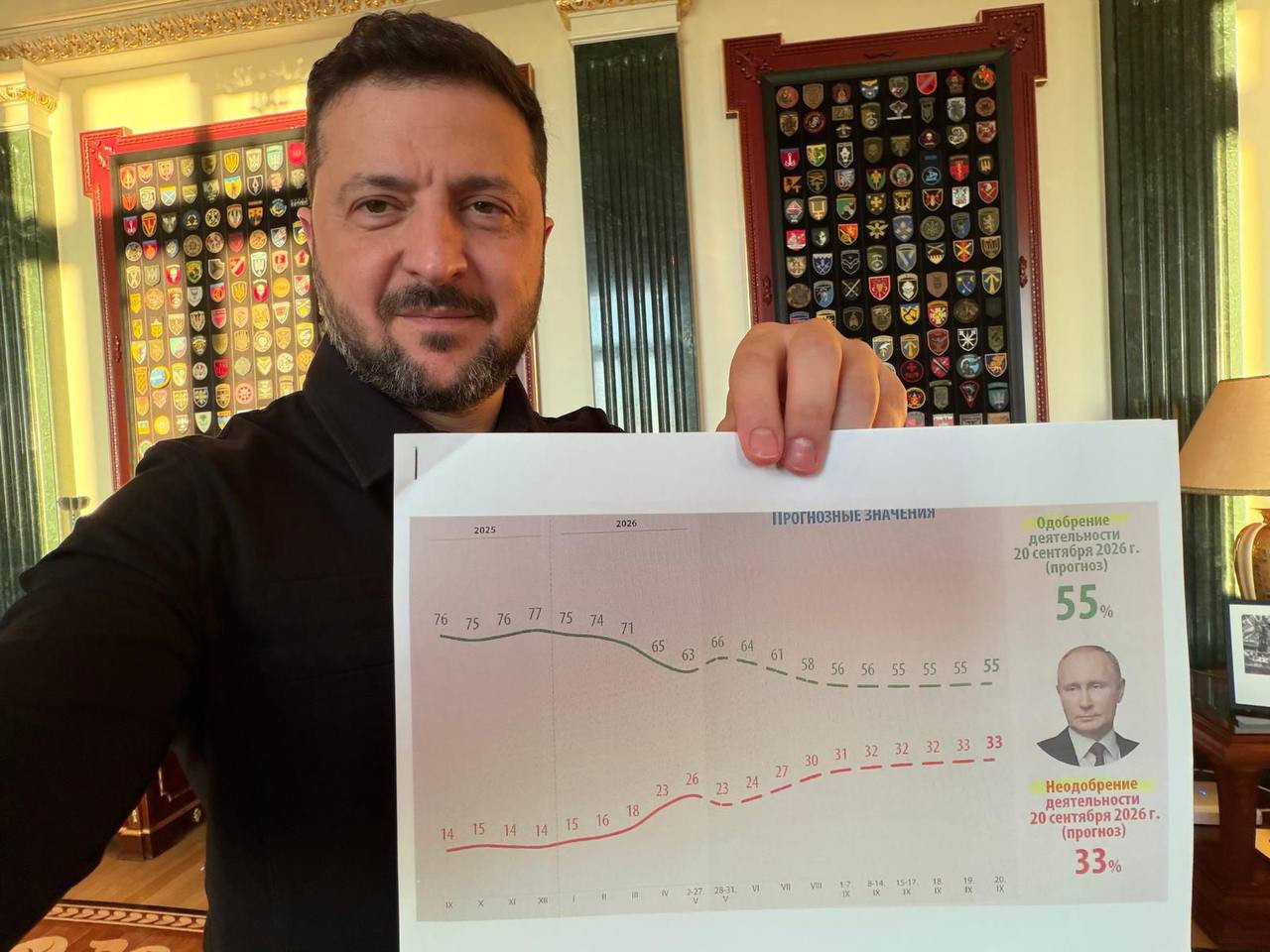
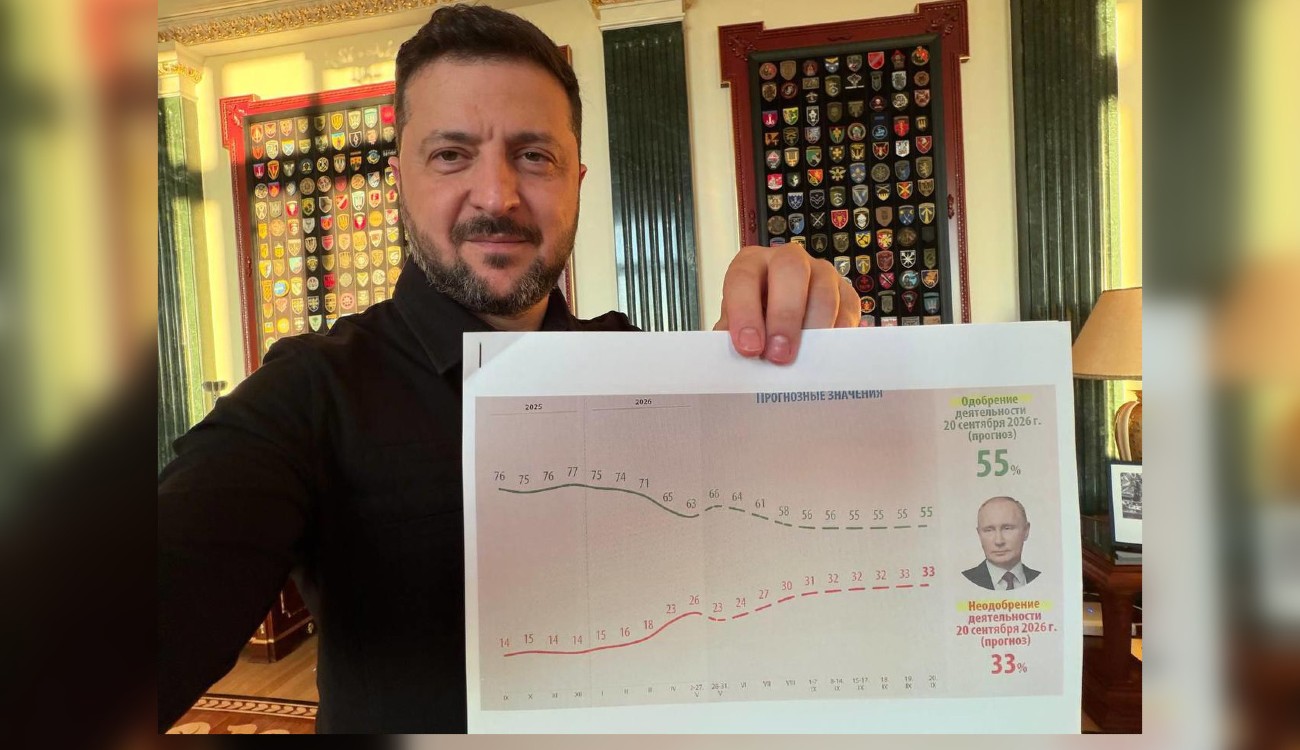
- Ukrainian Intelligence Provides Zelenskyy with Evidence of Putin’s Declining Support in Russia
- Zelensky Predicts Sharp Rise in Russians' Discontent with Putin by September
- Zelensky Confirms Strikes Over 700 km into Russia: New Targets and Flight Restrictions
- Ukraine Strikes Russian Oil Site and Chemical Plant: War Returns to Its Source