Why Russia's Bid to Mediate U.S.-Iran Talks Is Unlikely to Succeed.

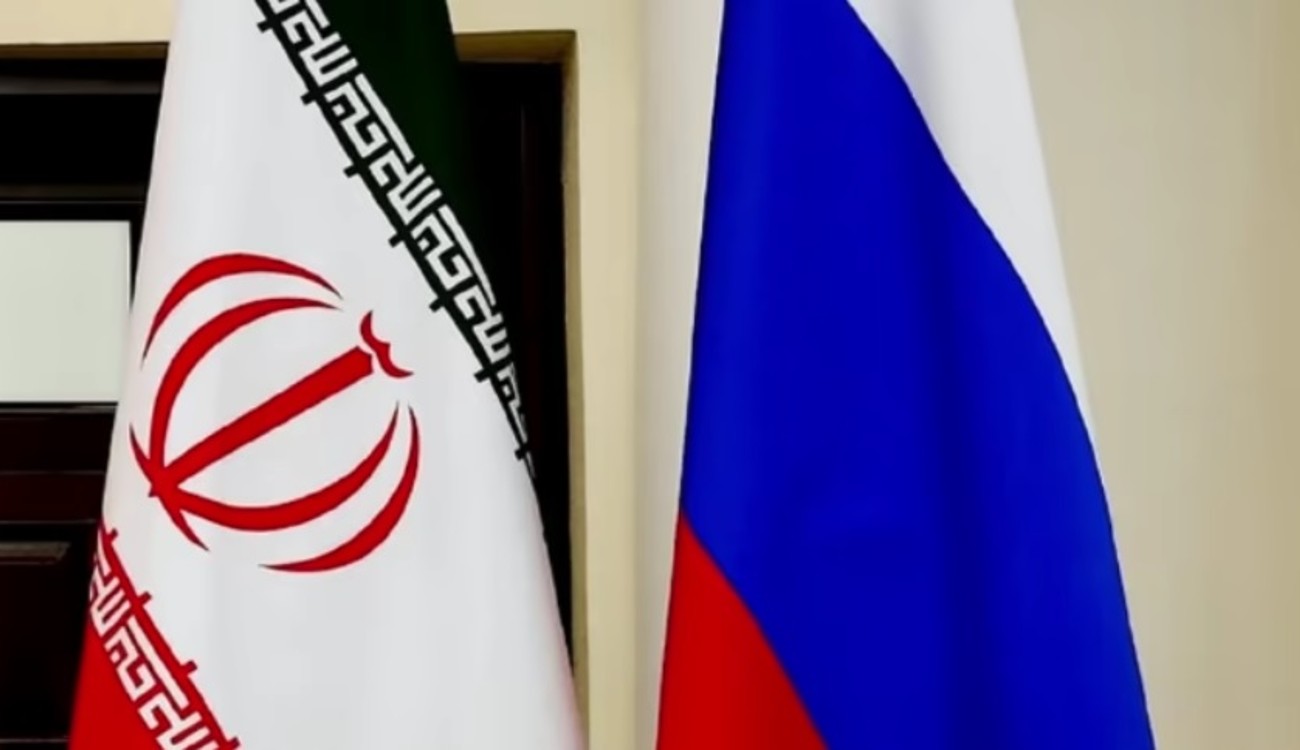
Moscow's Ambition to Broker U.S.-Iran Negotiations
According to UATV: Russia has expressed its desire to act as a mediator in talks between the United States and Iran, but this prospect appears highly unlikely. Vyacheslav Likhachev, an expert who spoke on the FREEDOM TV channel on February 8, 2023, points out that Iran distrusts Russia and believes Moscow prioritizes its own interests above those of its allies. This skepticism exists despite Russia's active push to offer its mediation services last spring, underscoring its eagerness to be involved in the process.
Likhachev notes that mediation is 'an option Moscow is lobbying for and would like to participate in.' However, Iran remains unconvinced, casting doubt on the feasibility of Russian involvement. The complex history of U.S.-Iran relations, marked by deep-seated tensions over nuclear programs and regional influence, makes any potential mediation a delicate endeavor.
The Strained Relationship Between Iran and Russia
A key obstacle is the fundamental lack of trust Iran holds toward Russia, as emphasized by Likhachev. He argues that distrust defines their relationship, stemming from a belief that Moscow might seek to resolve its own, more critical issues with the United States through such negotiations, potentially at Iran's expense.
“Russia and the United States are resolving issues that are far more important for the Kremlin” - Vyacheslav Likhachev
Consequently, despite Moscow's efforts to position itself as an intermediary, Tehran's distrust and the perceived primacy of Russian strategic interests present significant barriers to this scenario. The situation highlights how strategic interests and historical wariness can obstruct diplomatic initiatives, even when a major power offers to facilitate dialogue.
The discussion around potential Russian mediation underscores the intricate nature of international diplomacy, where trust and competing national priorities are pivotal. Iran, with its experience of cooperating with Russia, is likely to be cautious on matters touching its national security and foreign policy autonomy. This demonstrates that divergent goals among nations can complicate reaching consensus on critical global issues.
Read also
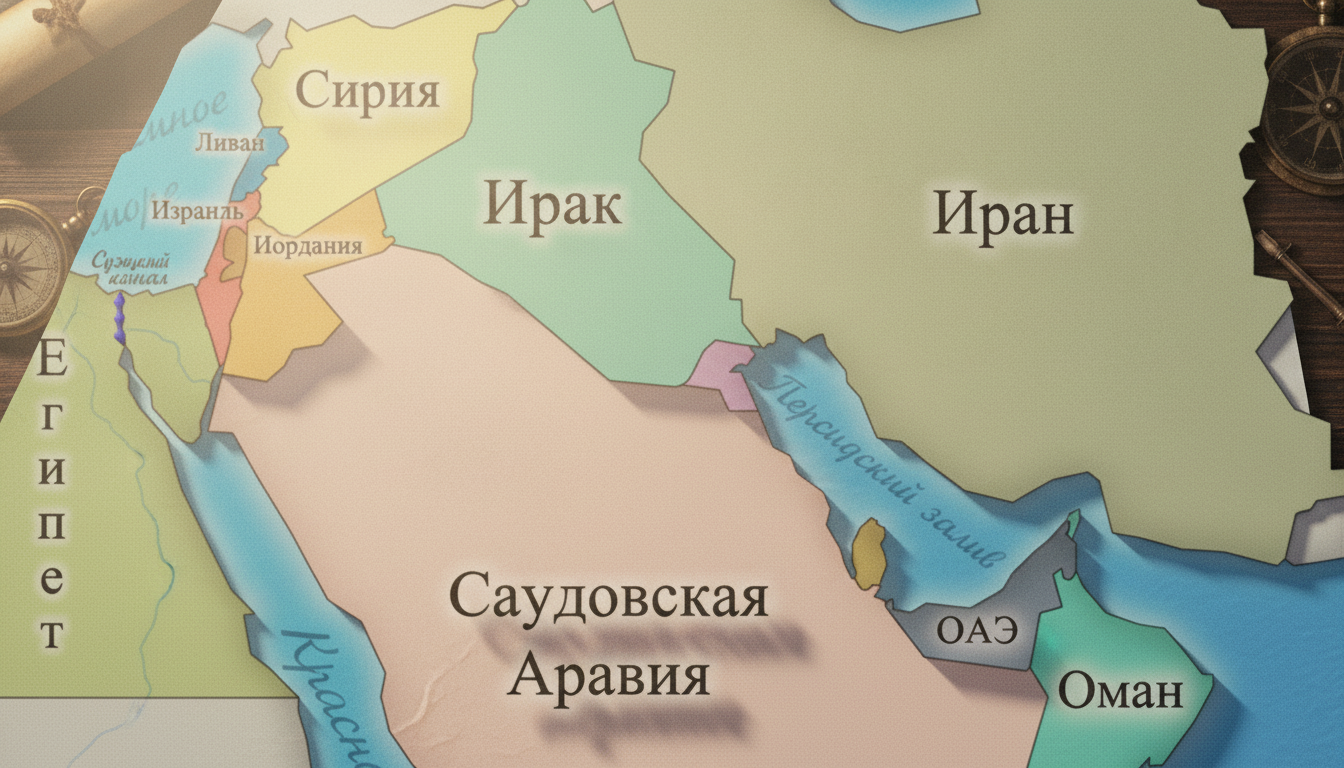
- On the Brink of War Between the U.S. and Iran: Could the Suez Canal Be Disrupted?
- Zelenskyy Confirms Fedorov and Syrskyi Will Stay: Who Remains in the Presidential Team
- Beijing Holds the Economic Levers Over Moscow: When Will China Push Putin to Negotiate?
- EU Sanctions Package Discussed in Call Between Poroshenko and Weber
- Threats and New EU Sanctions Package Discussed by Zelensky and Irish Prime Minister
- EU Imposes 21st Sanctions Package on Russia, Targeting 32 Banks