Economic Strain Could Push Russia Toward Peace This Year, Says General Petraeus.

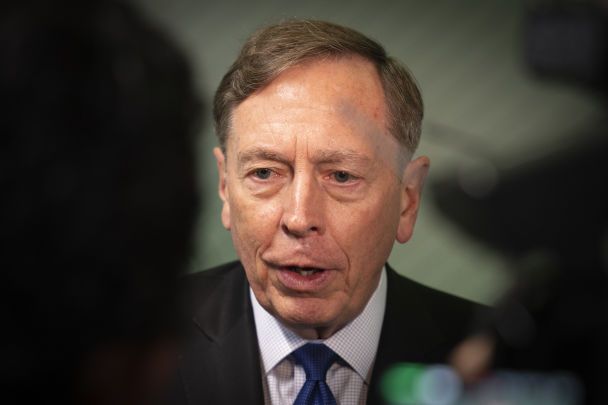
David Petraeus Assesses Russia's Strategic Position
According to TSN.ua: Retired U.S. Army General David Petraeus has suggested that Russia's critical depletion of its National Welfare Fund and a looming military budget deficit may force the Kremlin to seek an end to the war later this year. He also cited Russia's staggering battlefield casualties and Ukraine's rapidly expanding drone production as key factors influencing this potential shift. Petraeus is a former CIA director and commander of U.S. forces in Afghanistan, whose analysis carries significant weight in Western security circles.
According to Petraeus, Russian military losses since the full-scale invasion began have surpassed 1.25 million personnel. He highlighted the alarming forecast that Russia's National Welfare Fund could be exhausted this very year. Meanwhile, Ukraine manufactured 3.5 million drones last year, with a projected output of 7 million this year, demonstrating a formidable and active scaling of military capabilities.
The Critical Role of Economic Factors in Warfare
“We have not seen any sincere willingness on the part of Russian negotiators or Russian leadership to make any compromises whatsoever.” - David Petraeus
Nevertheless, Petraeus expressed hope that given the current circumstances, 'later this year there may be a prospect of Russia recognizing that it needs a ceasefire.'
Furthermore, Petraeus pointed to the precarious state of the Russian economy, noting that 'inflation is rising. The ruble is weakening.' He believes Vladimir Putin must realize that 'he is no longer winning.' These combined pressures could act as a catalyst for a change in Russia's strategic plans. Thus, the situation both on the battlefield and within the country's economy may substantially influence the future course of the conflict.
Petraeus's remarks underscore the decisive impact of economic factors in Russia's war against Ukraine. Faced with severe losses and mounting financial strain, the possibility of ending hostilities is becoming increasingly plausible for Moscow. This dynamic could reshape the strategies of both sides and influence international policy regarding the Ukrainian conflict. The central questions remain about a willingness to negotiate and seek compromises, which currently appear unlikely.
Read also
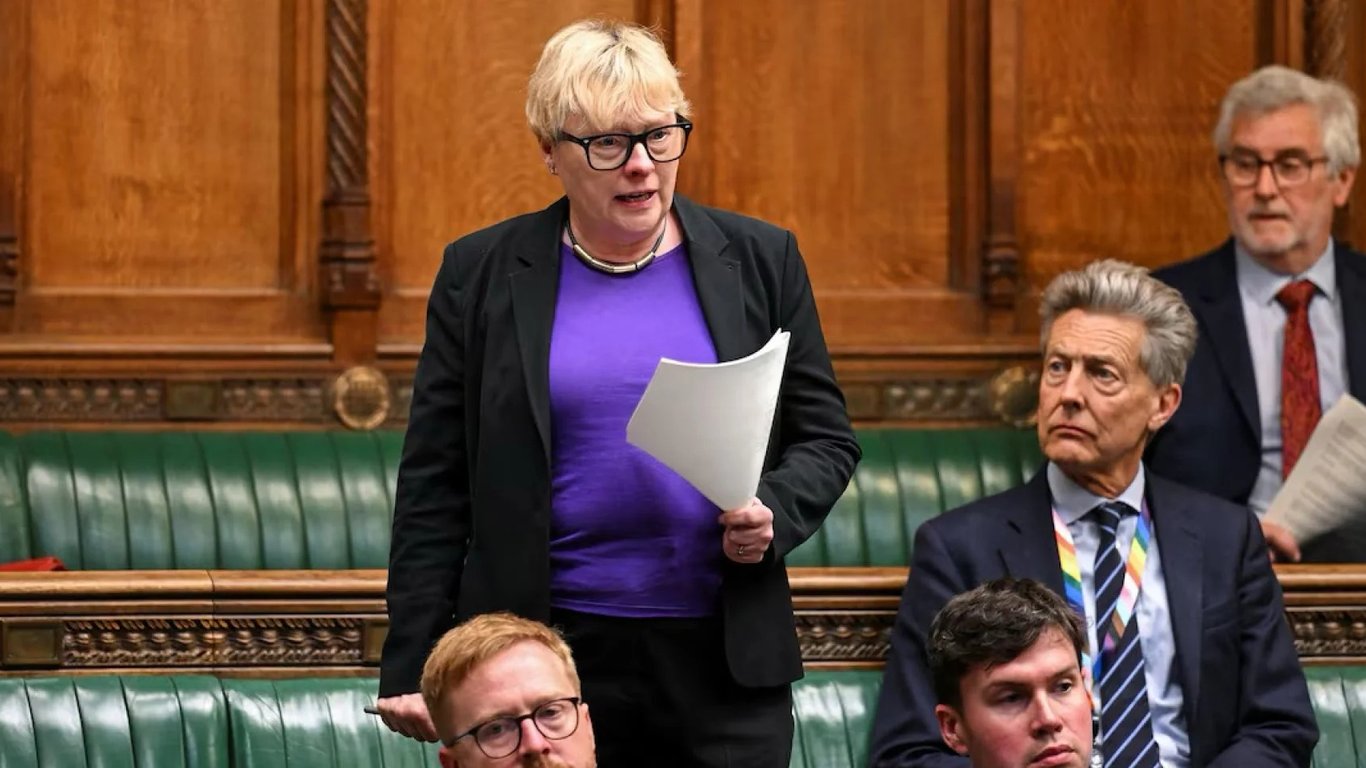
- Angela Eagle Appointed UK Security Minister in Government Reshuffle
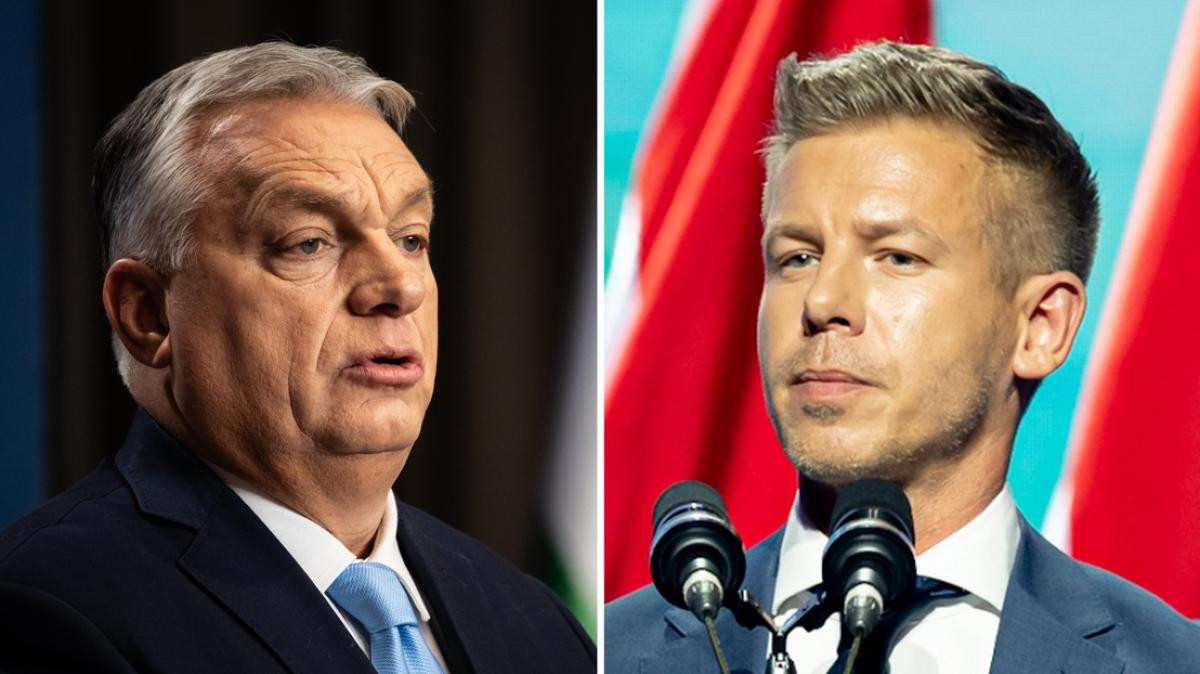
- Hungary Moves to Dismantle Orbán’s Media Legacy with Sweeping Public Broadcasting Overhaul
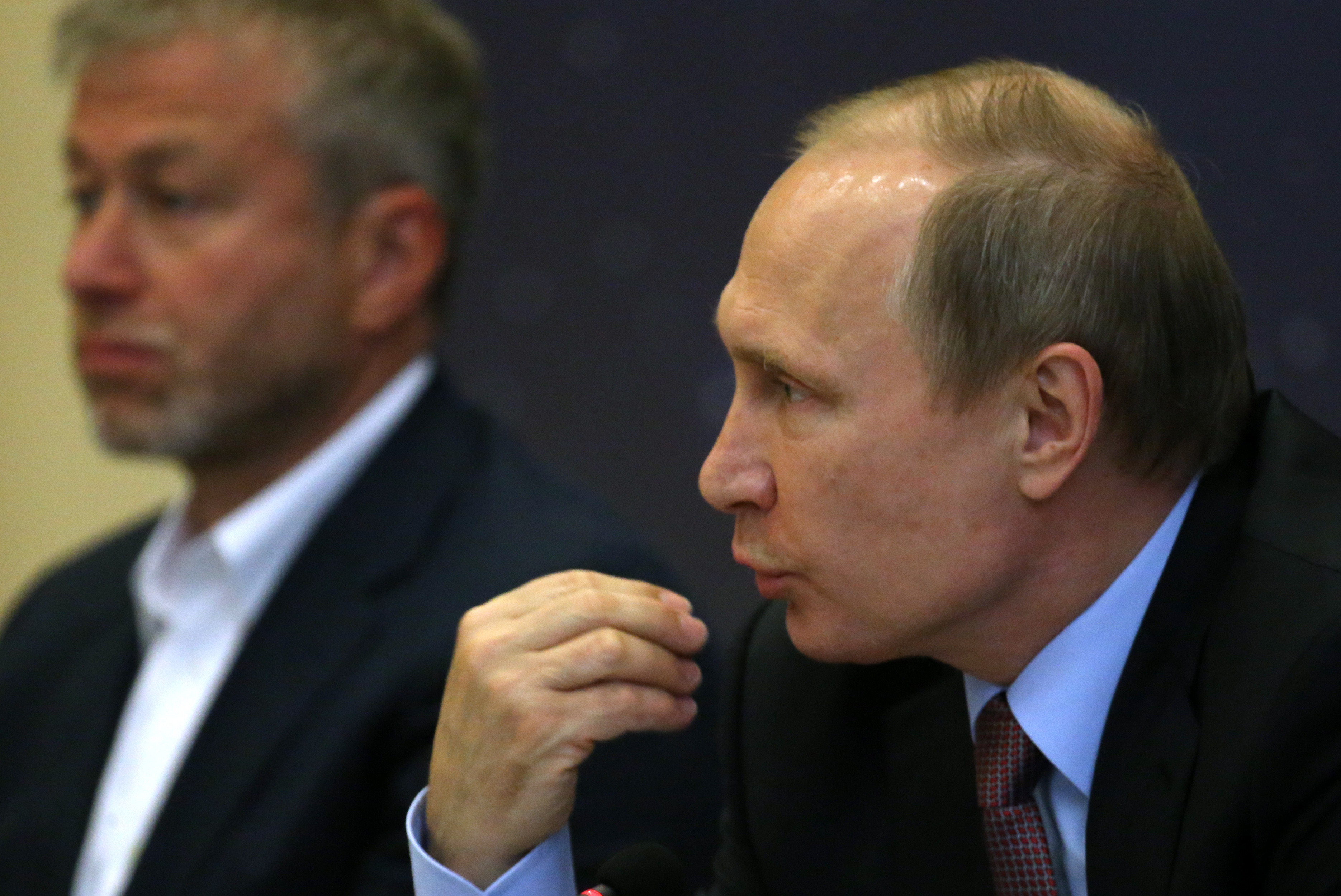
- Abramovich’s Role in Talks Exposed by Rybachuk: Putin’s Key Question for Zelenskyy
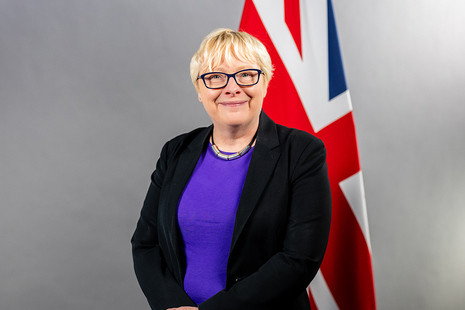
- UK Appoints New Security Minister: Eagle to Oversee Terrorism and Cyber Threats
- A Birthday Gift for Trump from Merz: Details Emerge About the Letter
- Key Condition for Talks with Russia Revealed by Former U.S. Ambassador: Will Moscow Shift Its Stance?