Zelenskyy Reveals Russia's Intelligence Blackmail Against the US Over Iran.

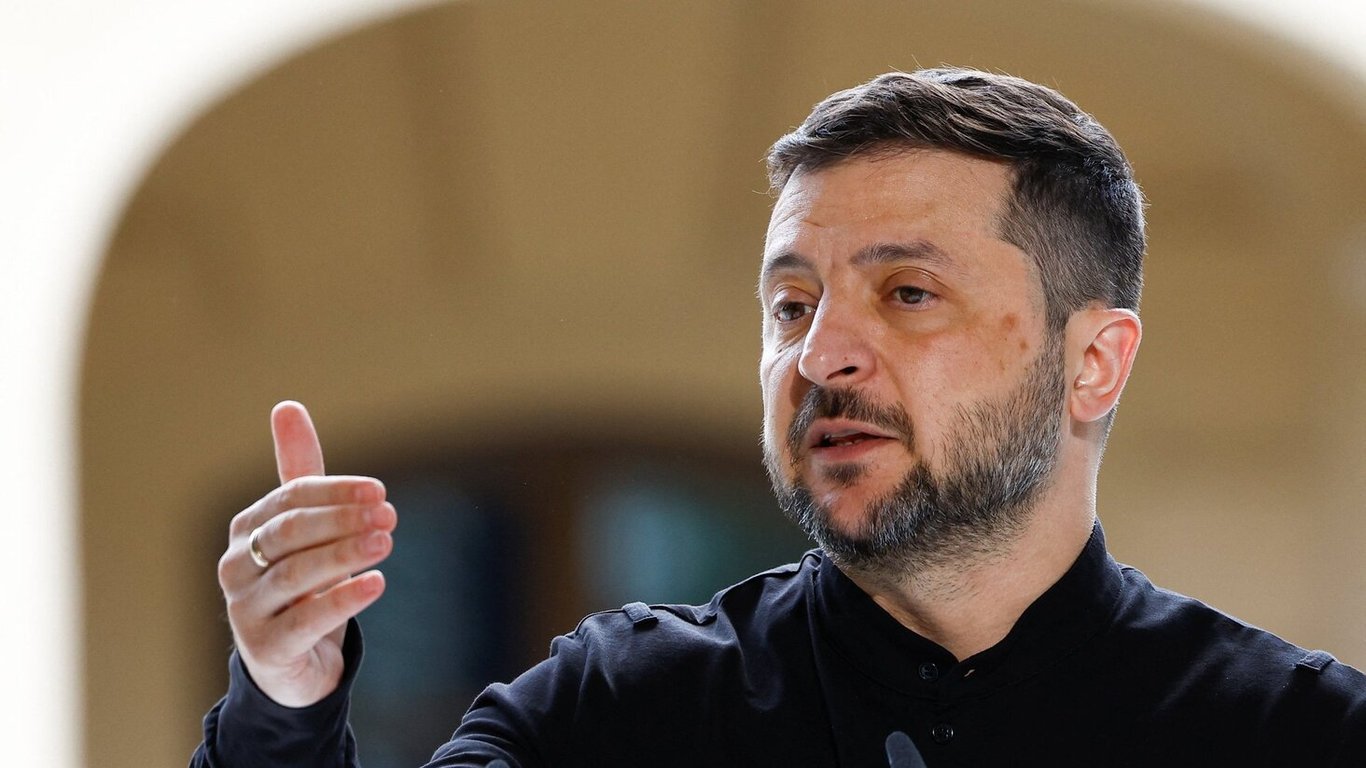
Moscow's Coercive Tactics
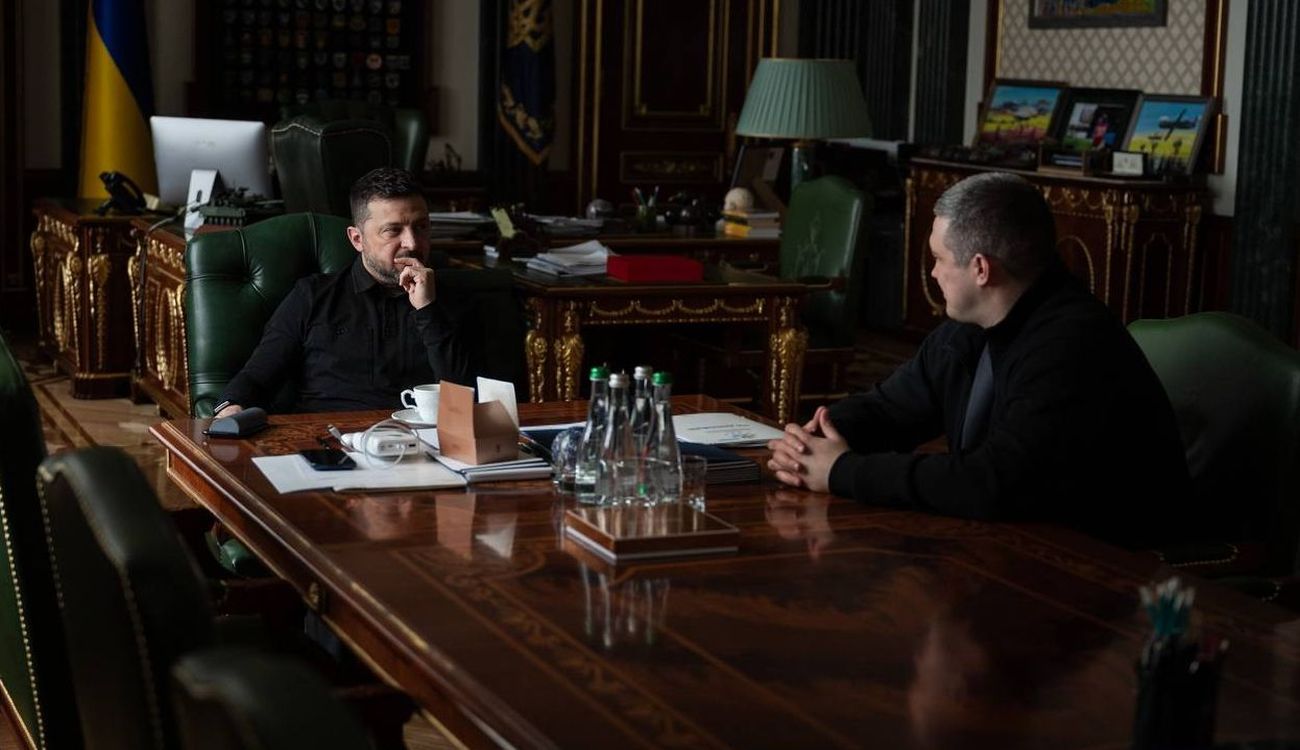
According to Novyny.live: Ukrainian President Volodymyr Zelenskyy has disclosed that Russia is leveraging its partnership with Tehran to pressure Washington. In an interview with Reuters, he explained that Moscow is threatening to withhold intelligence data from Iran if the United States ceases its intelligence-sharing with Ukraine. This maneuver is part of a broader geopolitical strategy aimed at forcing the US to abandon its support for Kyiv.
According to Zelenskyy, reports from Ukrainian intelligence agencies confirm that Russia is employing these coercive measures.
“I will not pass intelligence to Iran if America stops sharing intelligence with Ukraine,”the news agency quoted him as saying. This highlights the severity of the situation and Moscow's attempt to shape American policy regarding Ukraine.
Gulf State Cooperation
Meanwhile, Ukraine is actively assisting several Gulf nations in countering drone attacks. The countries collaborating with Ukraine include:
- Saudi Arabia
- United Arab Emirates
- Qatar
Zelenskyy expressed hope for forging long-term agreements with these nations, underscoring the strategic importance of regional cooperation.
US Special Envoy Keith Kellogg drew a comparison between Zelenskyy and Donald Trump, suggesting parallels in their approaches to international relations. Zelenskyy emphasized that Russia wants the US to withdraw from negotiations, reflecting rising tensions both regionally and globally.
The current situation illustrates the complexity of geopolitical maneuvering involving major powers and highlights how international dynamics can impact security across regions. Ukraine's engagement with Gulf states signals Kyiv's ambition to broaden its alliances and find new ways to counter Russian aggression. Amid global political strain, monitoring developments in these relationships and their potential effects on international security remains crucial.
Read also
- Zelenskyy Proposes New Role for Fedorov to Merge Technology and National Security
- Zelenskyy Announces New Commander-in-Chief of Ukraine's Armed Forces: Who Replaces Syrskyi
- Syrsky Resigns: Who Will Zelensky Appoint as Ukraine's Next Commander-in-Chief?
- Zelensky Appoints New Commander-in-Chief of Ukraine’s Armed Forces: Who Is Mykhailo Drapatyi?
- Mykhailo Drapatyi Appointed as New Commander-in-Chief of Ukraine’s Armed Forces by President Zelenskyy
- Baku Hosted Secret Germany-Russia Talks, Sparking Protest from Azerbaijan's Aliyev