Russia's Early Spring Offensive on the Sloviansk Front Risks Depleting Its Summer Reserves.

The Situation on the Sloviansk Front
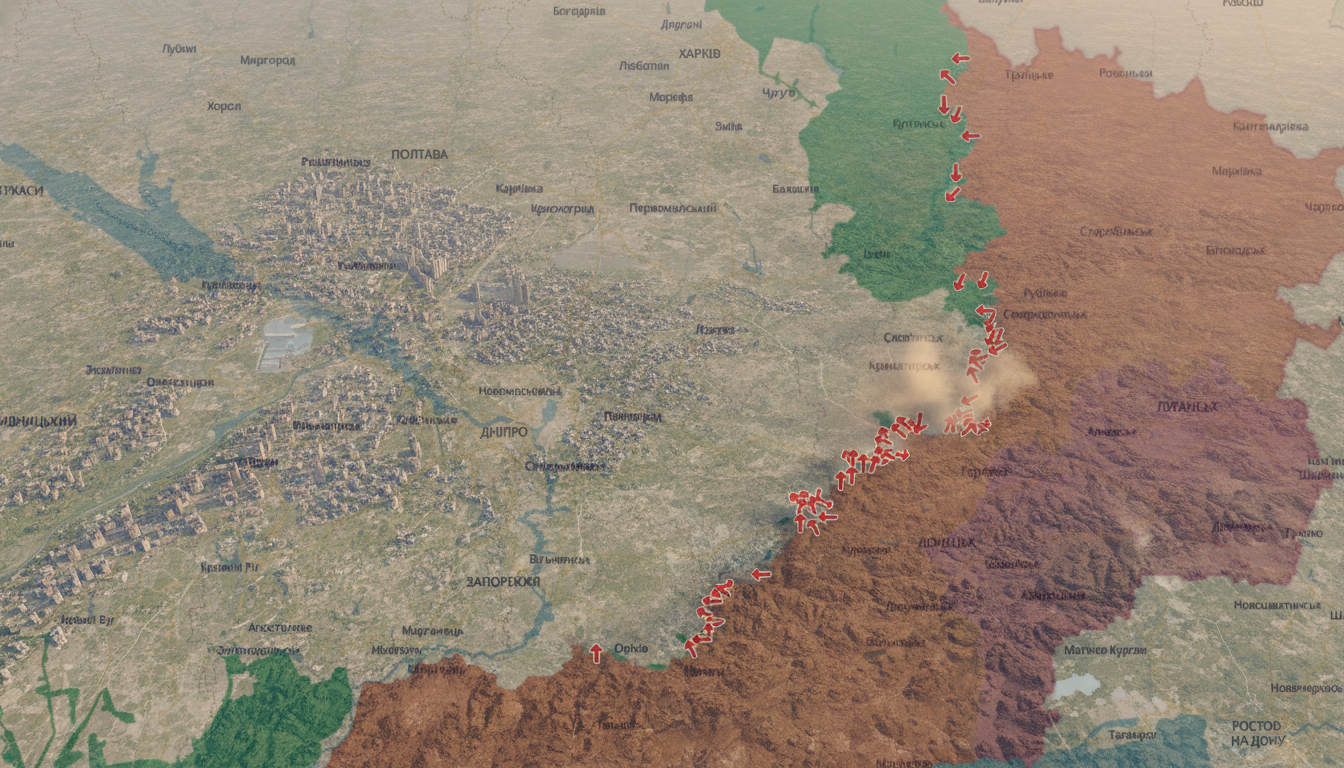
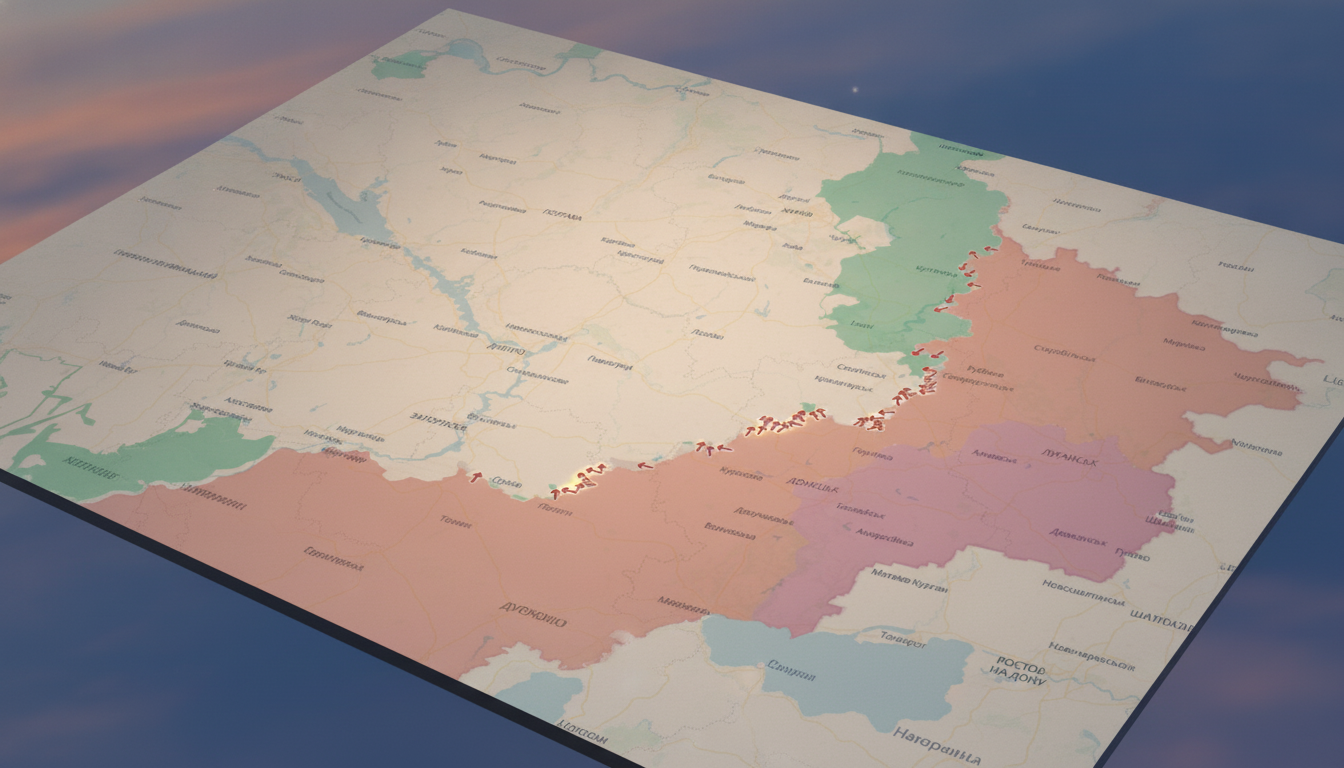
According to TSN.ua: Russian forces are prematurely committing their spring reserves to assaults on the Sloviansk axis, a move that could exhaust these resources as early as April. This development is significant as it suggests a potential lack of capacity for planning major offensives later in the summer and autumn. Military analysts warn that such actions could substantially alter the operational picture in this critical sector of the conflict.
This push follows the repositioning of Ukrainian defenders from Siversk. At the end of January, Ukraine's Armed Forces reported that Russia had amassed approximately 80,000 troops to intensify its offensive toward Sloviansk and Kramatorsk. While this concentration indicates an effort to solidify Russian positions, the strategy carries significant risk due to the potential for rapid resource depletion.
Expert Concerns
Military observers have expressed deep concern over the potential consequences of this offensive. Kyrylo Sazonov noted:
"By April, there may be no one left to advance on Sloviansk." - Kyrylo Sazonov
He also remarked that "funding for the war is already running out," highlighting broader anxieties about Russia's financial ability to sustain high-intensity combat operations over the long term. The war in Ukraine has become a protracted conflict of attrition, straining both sides' military and economic resources.
Stanislav Buniatov pointed out that "Sloviansk will find itself under partial fire control." This assessment signals a potential shift in the dynamics of military operations in the region, which would inevitably influence the future course of the conflict. Collectively, these factors suggest the situation on the Sloviansk front will remain highly tense, with Russia's subsequent actions likely to have serious repercussions for both military personnel and civilians.
The information regarding Russia's early commitment of spring reserves points to underlying resource problems that could limit its military capabilities in the near future. Given that the current offensive may lead to the exhaustion of these reserves, it creates additional strain in a region where hostilities are ongoing. Analysts urge close monitoring of the situation, as the conflict's trajectory could change significantly based on decisions made on the battlefield in the coming weeks.
Read also
- Ukrainian Special Operations Destroy Five Oil Tanks at Tamanneftegas Terminal
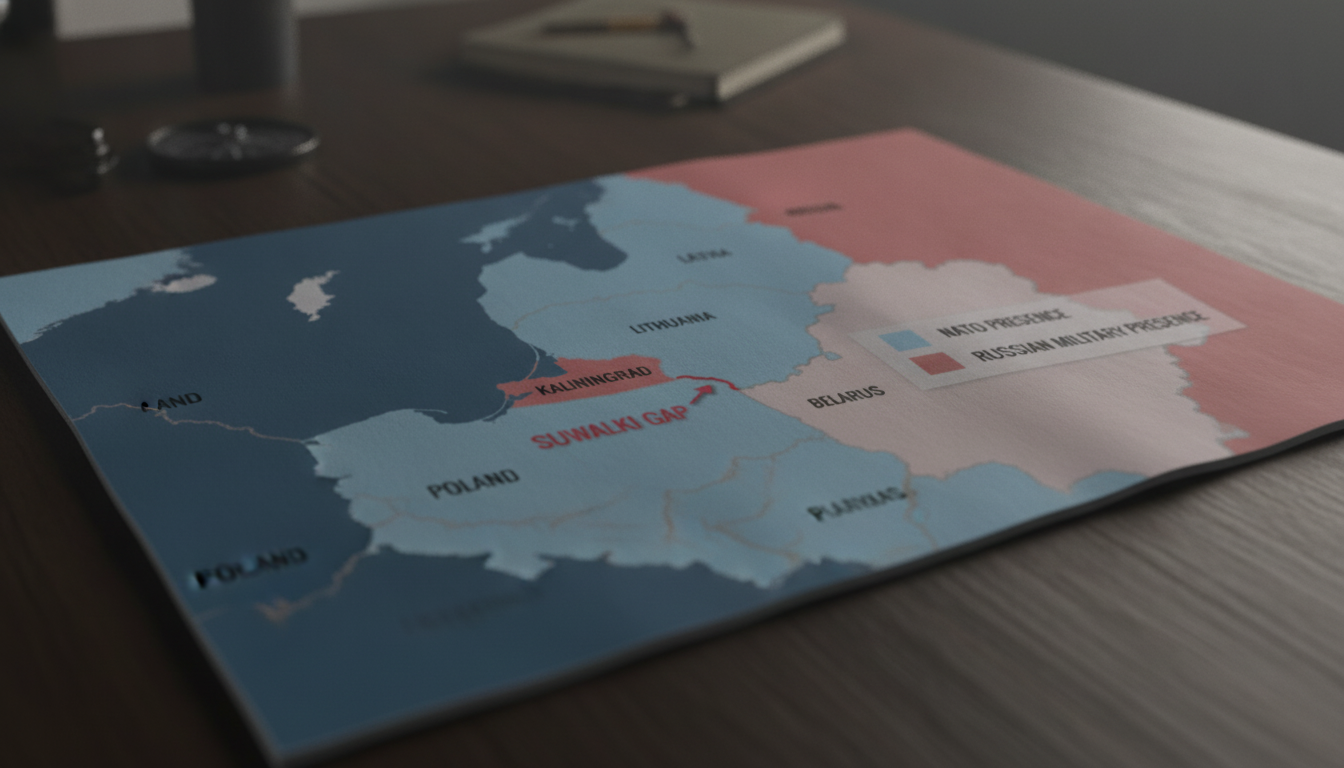
- NATO Drills Near the Suwałki Gap: Lithuania, Poland, and France Set Dates for Gallant Boar-2026
- General Staff Reveals Details of Strikes on Crimea Titan Plant and Russian Logistics
- In May, Ukraine’s Air Defense Neutralized 88% of Enemy Targets as Russia Intensifies Strikes
- Fighting in Kostiantynivka: Military Weighs Cutting Off the City to Trap Russian Forces
- Ukraine Regains 47 Square Kilometers: How Logistics Strikes Are Reshaping the Frontline