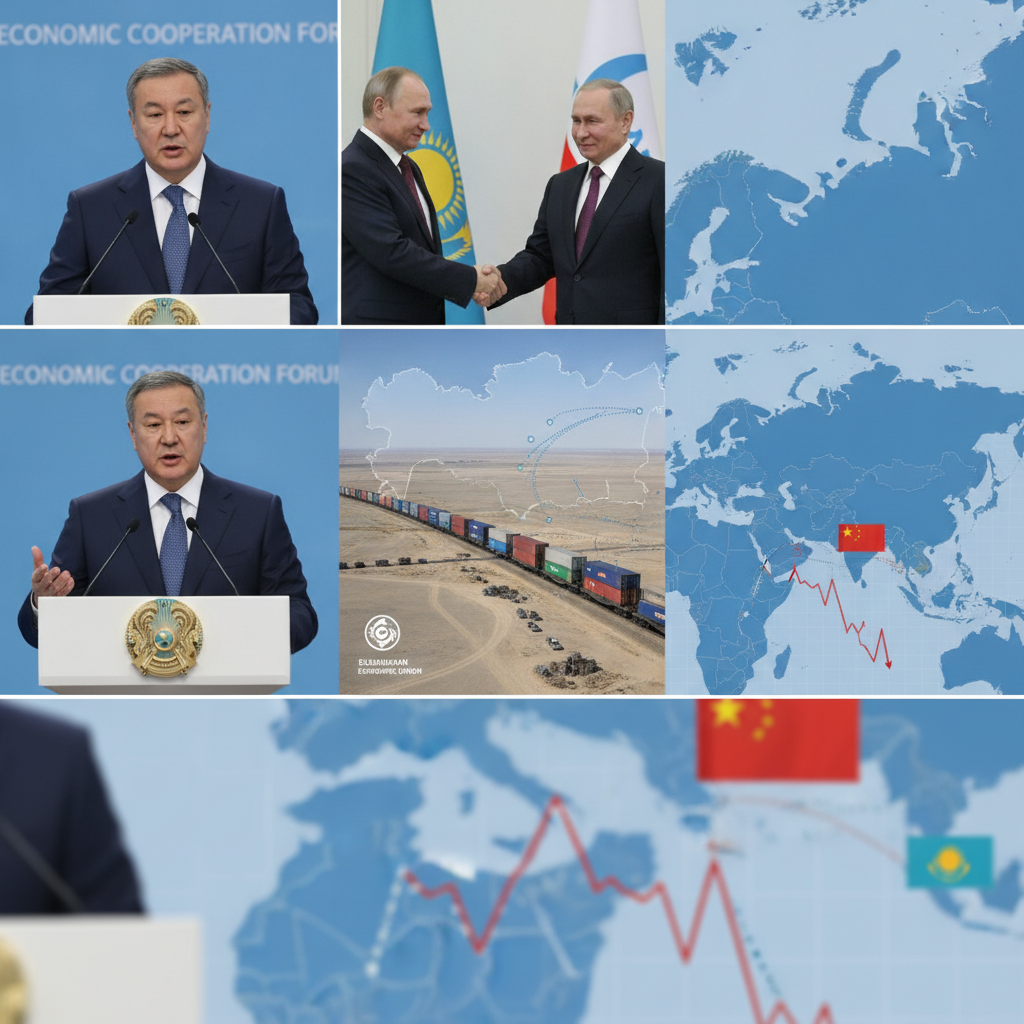
Russia's Declining Influence in the Global South and Its Global Implications.

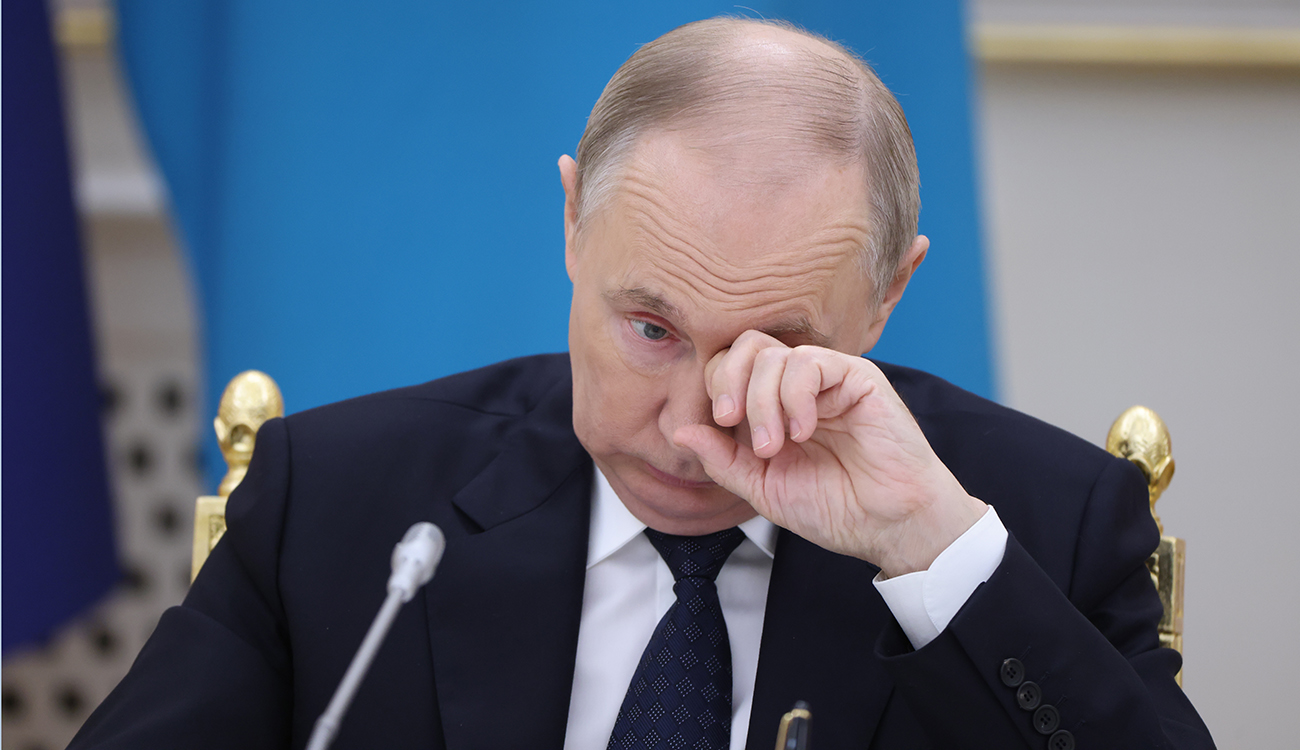
The Waning of Russian Power in the Global South: A New World Order
According to UATV: On January 24, Alexey Poletsky, the Academic Director of the Center for Public Diplomacy, appeared on the FREEDOM TV channel to analyze Russia's diminishing clout on the world stage, particularly among nations of the Global South and authoritarian regimes. Poletsky stated that Russia is losing its footing in Central Asia, a clear indicator of a shifting geopolitical landscape. This decline comes as many nations reassess their relationships in the wake of Russia's war in Ukraine.
Poletsky emphasized that Russia currently possesses few genuine friends who could be considered true allies.
"Russia now has very few real friends that can be called allies," - Alexey Poletsky.He noted that while Moscow once served as a guarantor for authoritarian leaders, it now lacks the tools for meaningful influence, significantly reducing its international role.
"If Moscow could once act as a guarantor for authoritarian leaders, Russia now has no instruments of real influence," - Alexey Poletsky.
A clear trend is emerging toward purely pragmatic relations between Global South countries and Russia. According to Poletsky, leaders in these nations are not seeking to pick a side but are instead focused on engaging with multiple powers to secure their own interests. He cited Turkey as a prime example—a country that balances between various power centers and defies easy classification as a Russian ally.
"Turkey is a good example. It is difficult to call it an ally of Russia," - Alexey Poletsky.
Poletsky also argued that the Western world, as it previously existed, is no more.
"As for the Western world, it simply no longer exists in its previous form," - Alexey Poletsky.Consequently, Russia's fading influence in the Global South could have substantial repercussions for global politics, creating new challenges and opportunities for countries in the region.
Russia's loss of sway signals a transformation in international relations, where pragmatism is becoming more critical than traditional alliances. Nations that once might have relied on Moscow are now seeking alternatives to safeguard their interests, potentially leading to new forms of cooperation and competition. These shifts could profoundly impact global affairs as emerging power centers develop their own approaches to international engagement.
Read also
- Portnikov Points to Fedorov as Yermak’s Likely Successor, Stressing President’s Need for a Trusted Confidant
- A Proposed Air Ceasefire, to Be Forwarded to Moscow, Was the Focus of US-Ukraine Talks
- Russia's Legitimization of Crimea Annexation: National Geographic Maps and Italian Schoolbooks as Instruments
- General Drapatyi Takes Helm of Ukrainian Armed Forces Amid Fedorov's Resignation
- Kazakh President's Call for Russia to Freeze Ukraine War: Analysis from Political Scientist Oleksandr Leonov
- Facing a Critical Shortage, Zelenskyy Confirms Russia Launched 40 Ballistic Missiles at Kyiv in Just One Hour